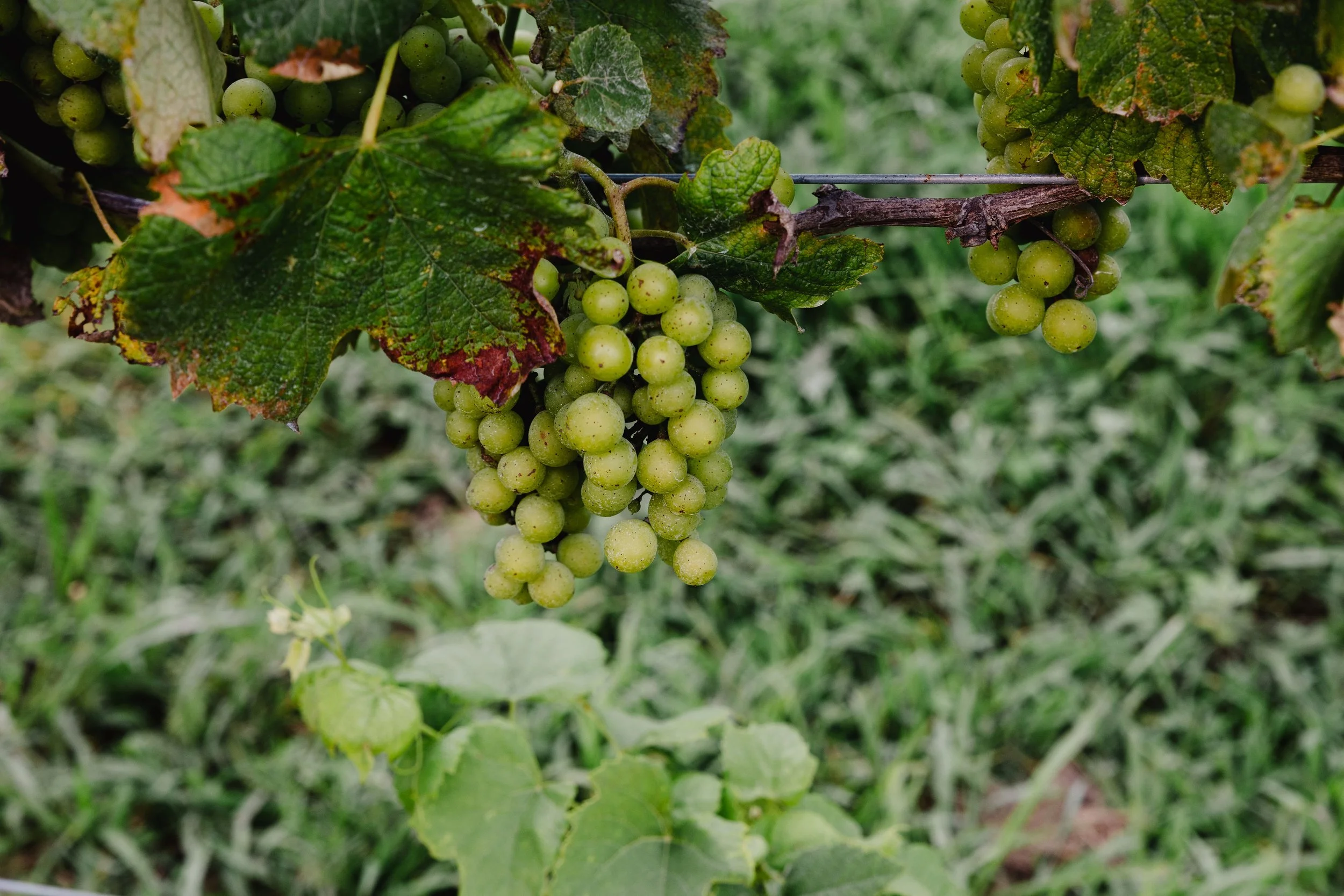
MEET: Distiller CALEB GREGG, Klocke Estate
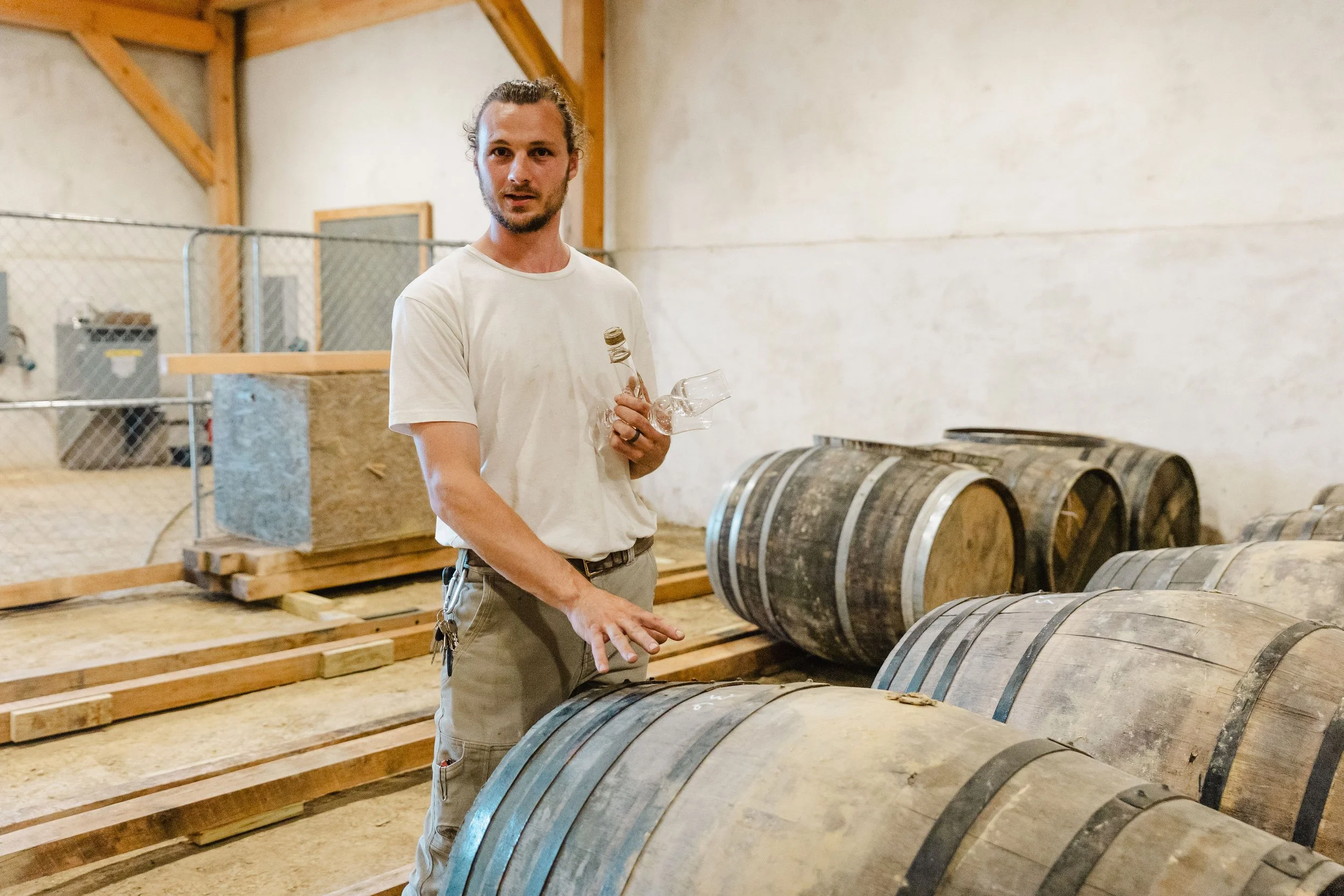
Distiller Caleb Gregg talks about the romance of earth-to-glass brandy production, land stewardship + the role of time.
Interview : Susie Davidson Powell
Photos: K.D.O / The Dishing
Location: Klocke Estate, Claverack, N.Y.
Tastemaker: Caleb Gregg
Where: Klocke Estate, Claverack, nr. Hudson | IG: @klockeestate
Role: Technically, Director of Production. But distiller, farmer, steward of the land! Anything but director. I hate titles.
IG: None. I removed myself from social a while ago. Much better life without. I hope I won’t have to get back on ever. I feel much more in the zone, creative and present without.
Hometown: Chatham, N.Y.
Current city: Same.
Personal style: Outdoor enthusiast; hunting and fly fishing
Listening to: Podcasts or The Grateful Dead
Favorite classic cocktail or non-alc drink: Horse’s Neck or a whiskey soda
Coffee or tea – and what’s your order: Coffee coffee coffee
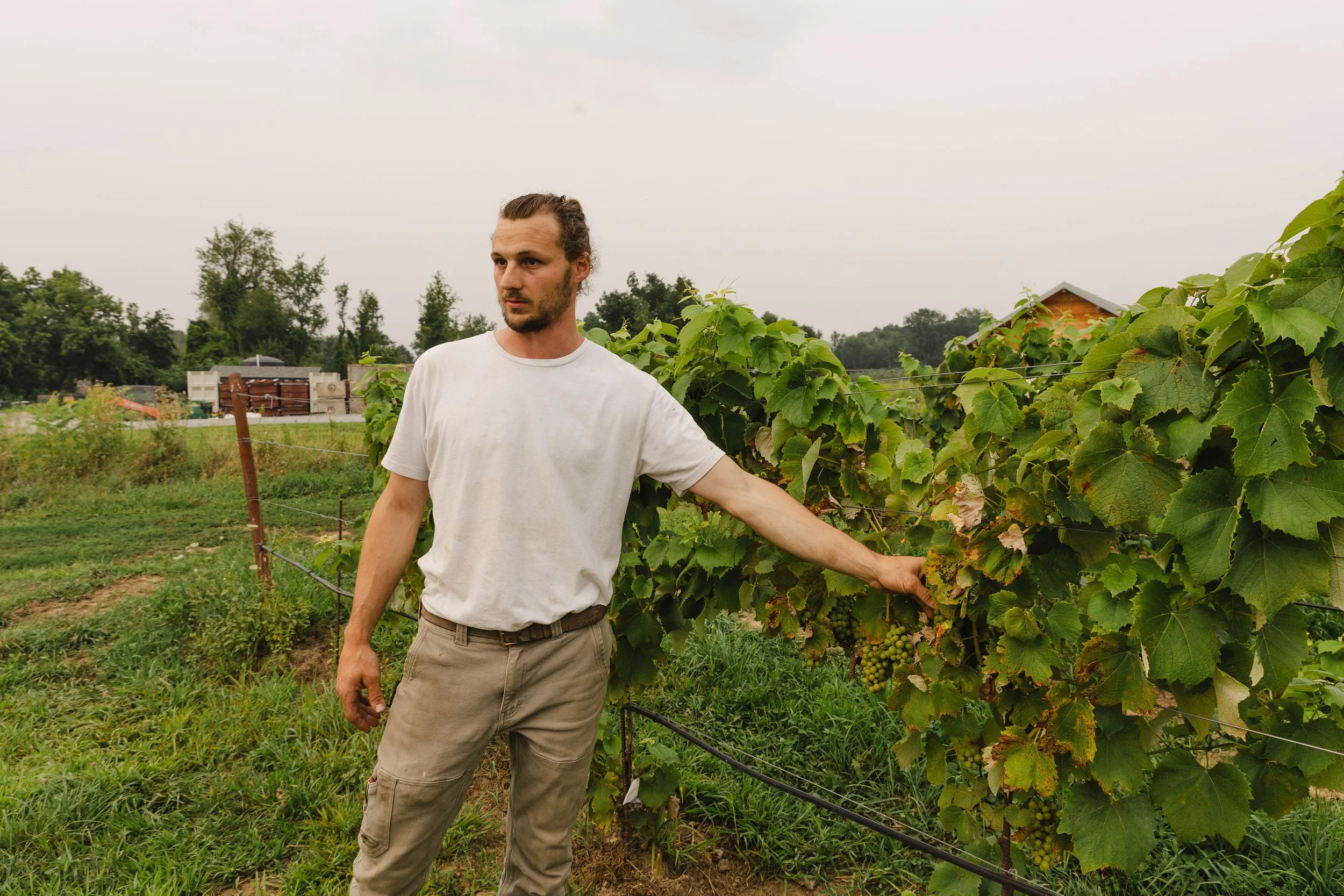
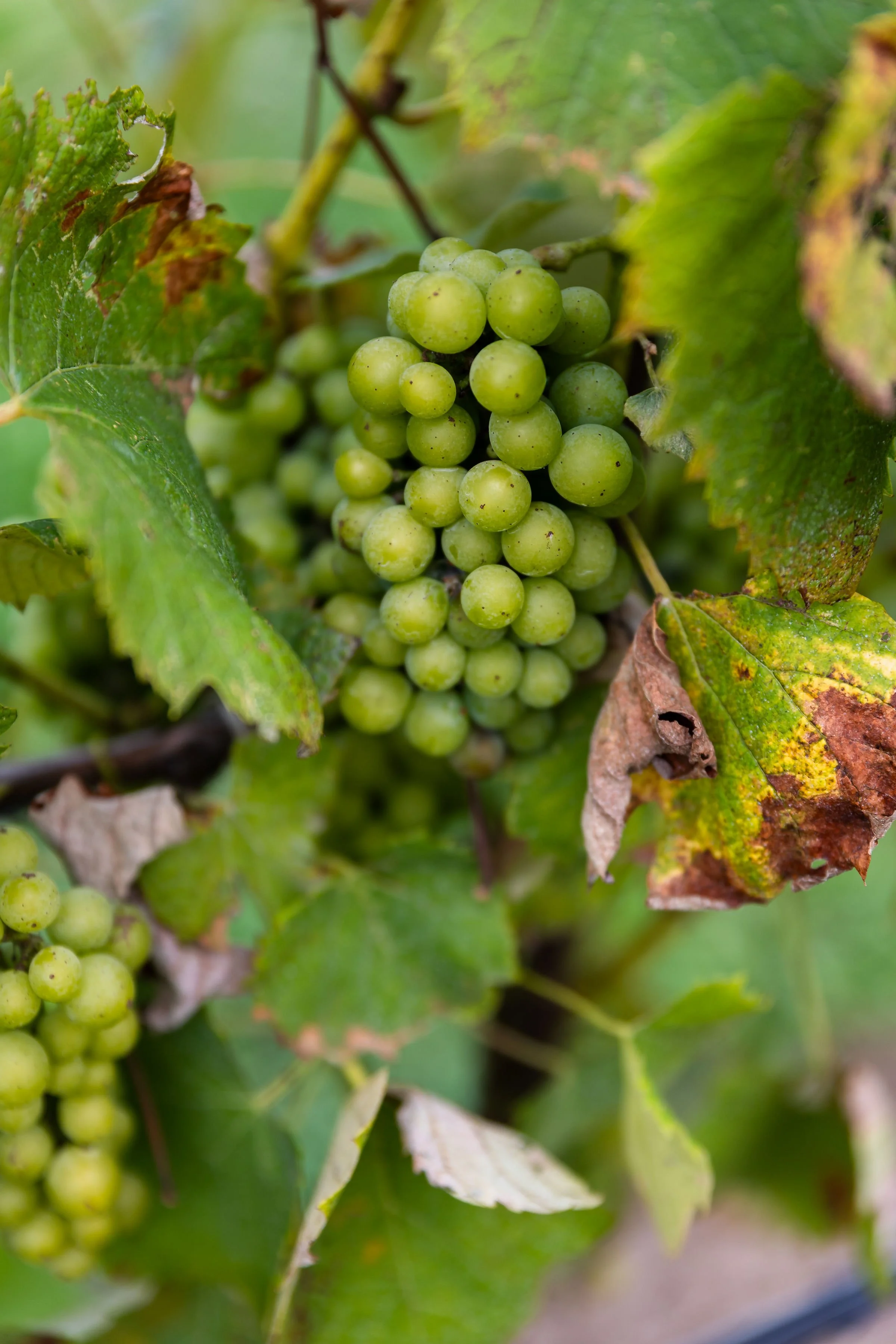
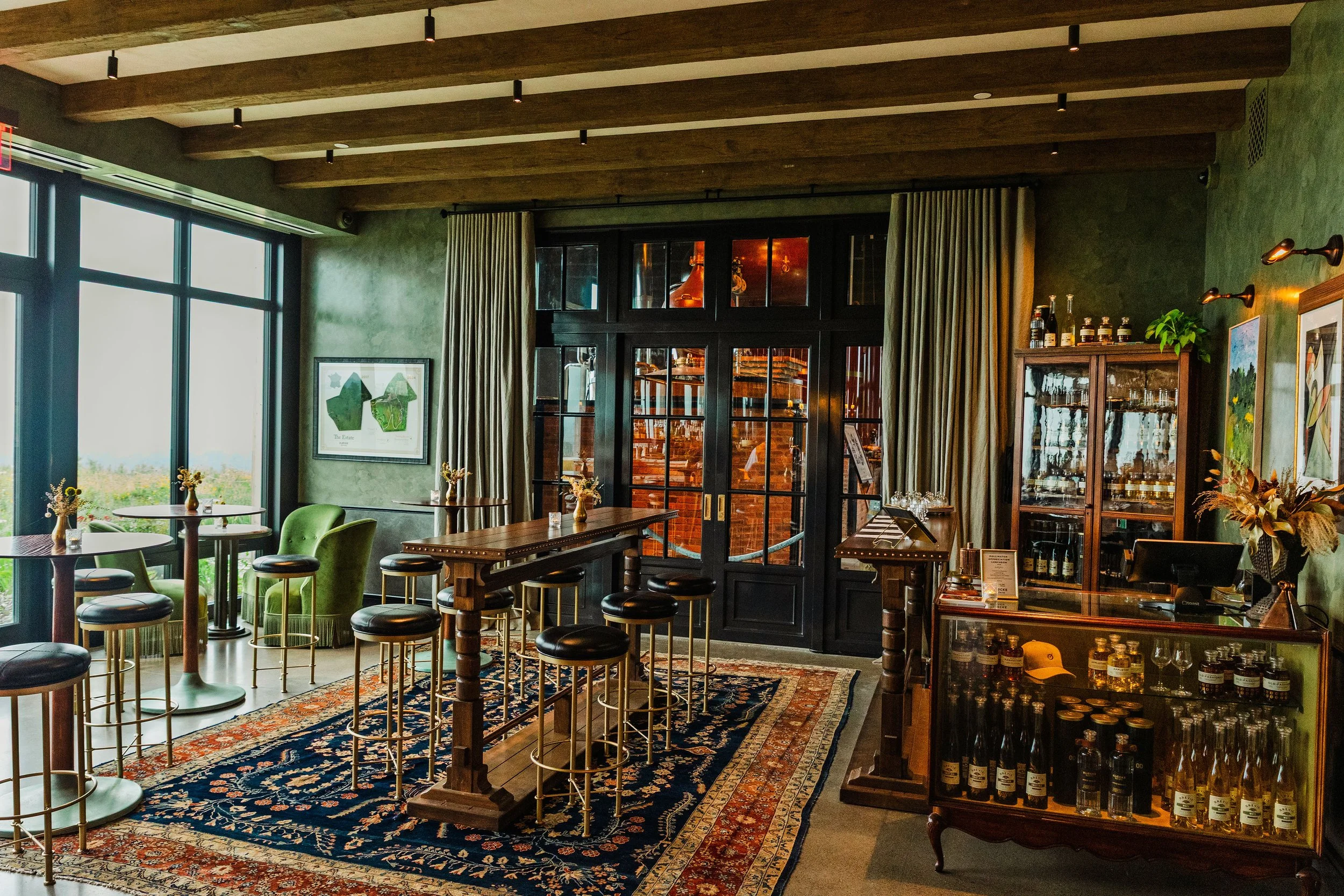
Welcome to The Dishing’s Quick Serve interviews where we talk matters of taste with tastemakers in the hospitality industry and trailblazers at the intersection of food, culture and art. Today we’re talking with Caleb Gregg, the head distiller of Klocke Estate, a luxury brandy distillery with an onsite restaurant and bar in Claverack, near Hudson, N.Y. The Estate’s 160-acres are sustainably farmed using regenerative methods for the cultivation of 60-acres of fruit and vineyards for brandy distilled in imported Cognac-style French copper stills made exclusively with locally grown fruit for a unique Hudson Valley terroir.
Caleb, thanks for talking with The Dishing. We were fortunate to take a tour of Klocke Estate earlier this year from the vineyards to the winery where fruit is crushed, to the distillery and the chai where your brandy is aged, earlier this year, so I’m thrilled to chat with you about your role in the larger story.
Let me start by saying you’re surprisingly young for a head distiller! At 29-years old, you have already been with Klocke since 2019. Co-owners John Frishkopf and Brett Mattingly, hired you to oversee the landscaping of the estate a year after you’d started your landscaping business fresh out of college. Can you give us the backstory of your role and how you came in pre-pandemic at the start of planting the apples and grapes?
It was a rather serendipitous introduction to Klocke Estate. At the time, in the summer of 2019, operating my landscape company, one of my clients happened to live directly across the street while also being a friend of John’s and a shareholder. He introduced me to John and Brett who were looking for willing and able people to start tackling the mountain of work ahead to establish the farm and the surrounding landscape. It all just felt right at heart that I put my landscaping aside to be a part of the journey. I don’t know that I can pinpoint exactly what attracted me, but I knew the challenges, experiences, and opportunities the next couple years would bring would be something that would shape me forever.
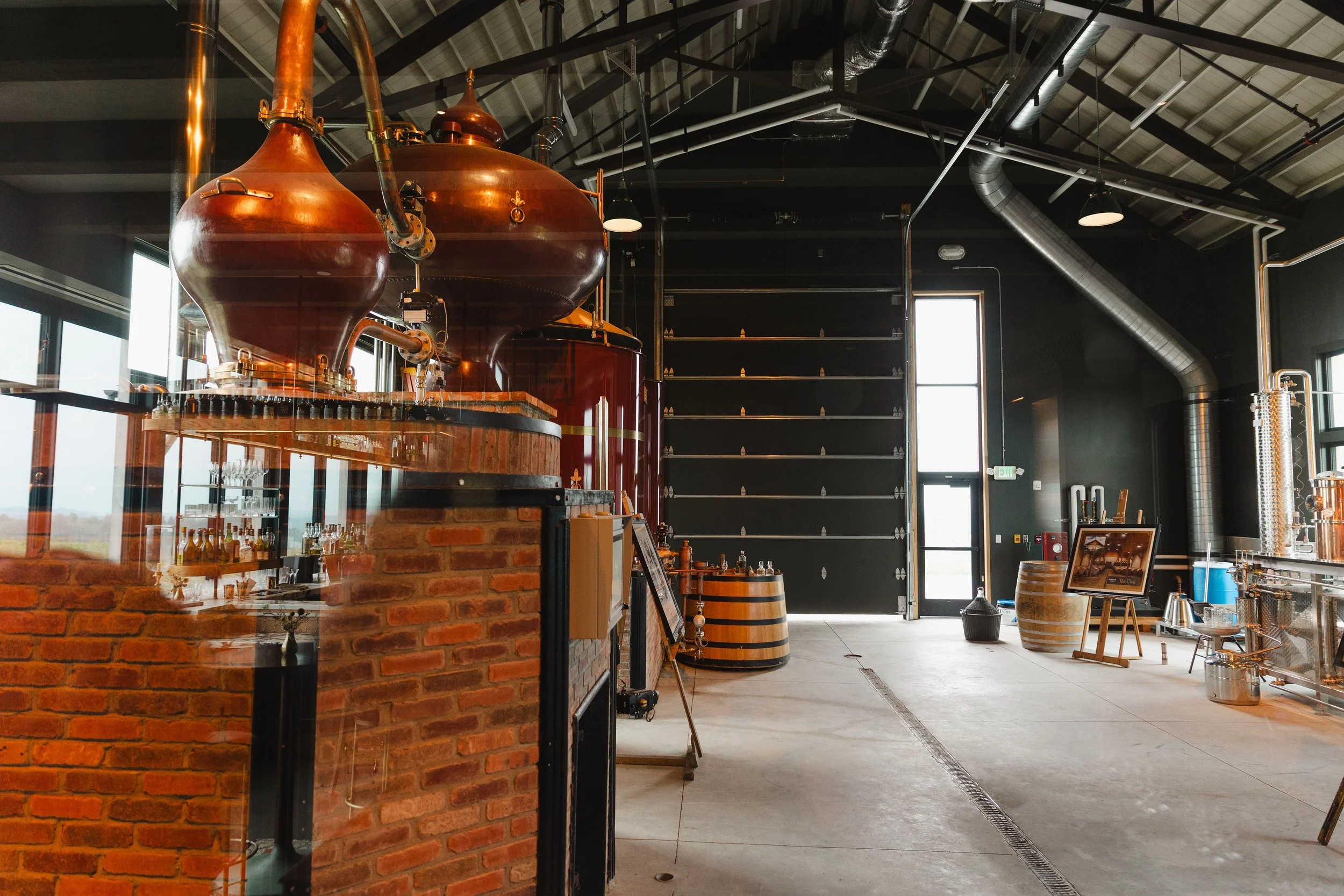
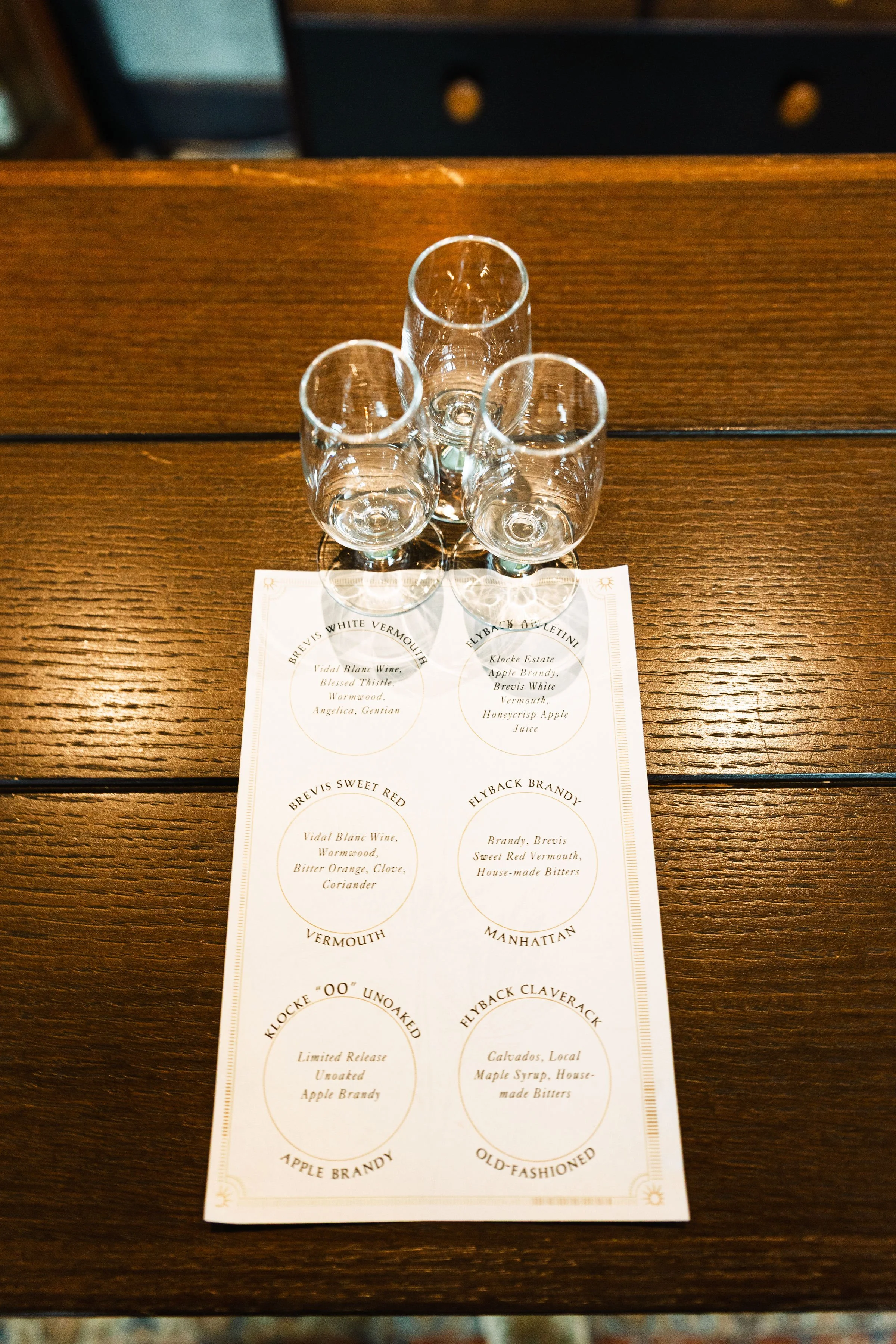
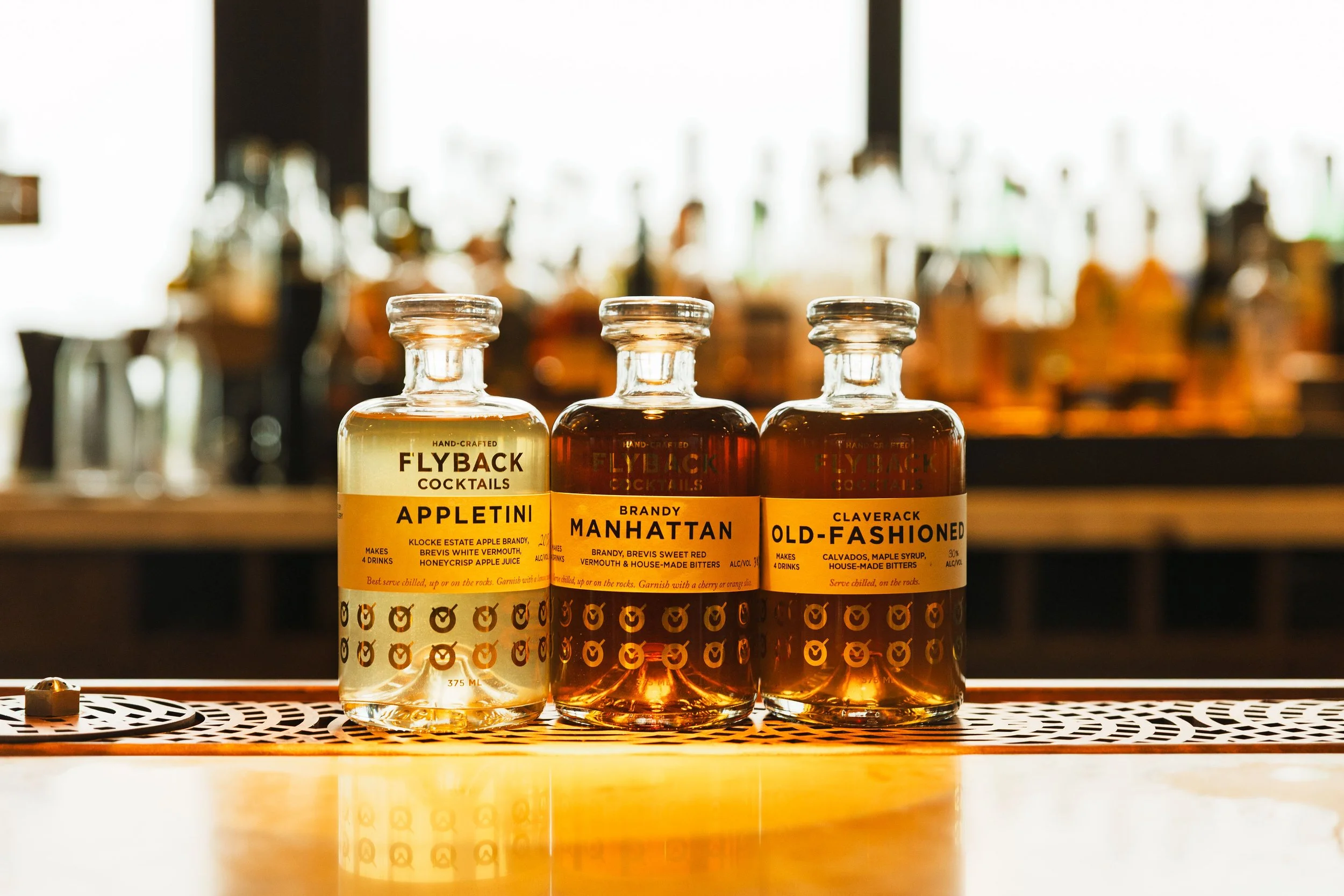
Klocke Estate makes high-quality, earth-to-glass brandy, focusing on apple and grape brandies, along with their own brand Brevis White & Red vermouths, and ready-to-drink Flyback cocktails. Production starts with sustainable farming methods.
So, let me double back and ask you what is Klocke Estate for anyone who hasn’t heard of it? Specifically, you make a Cognac-style brandy and vermouth. Cognac - like Champagne - can only be made in its namesake region in France. What is Klocke producing?
This is a question I often still find myself asking day to day and one that is rather difficult to answer if I am being honest because my sense is that we are still discovering who we are, but I will try my best. What I would say is that we are both stewards and creators. For me, I see myself as a steward of the land and the bounty it gives each year. Our aim is to transform that fresh fruit into something new that can be shared and enjoyed… and that is via Brandy or eau de vie. Yes, we are producing our brandies in the same methods as the producers of Cognac and Calvados because they have proven to be the best in the world, but we would like to capture the sense of place, or terroir, and nuances that we really find enjoyable in aged spirits. While we patiently wait for these complex spirits to mature and transform into something new, we produce three different vermouths which is an aromatized and fortified wine. I absolutely love the process and creation of vermouth because the sky is the limit for aroma and flavor combinations.
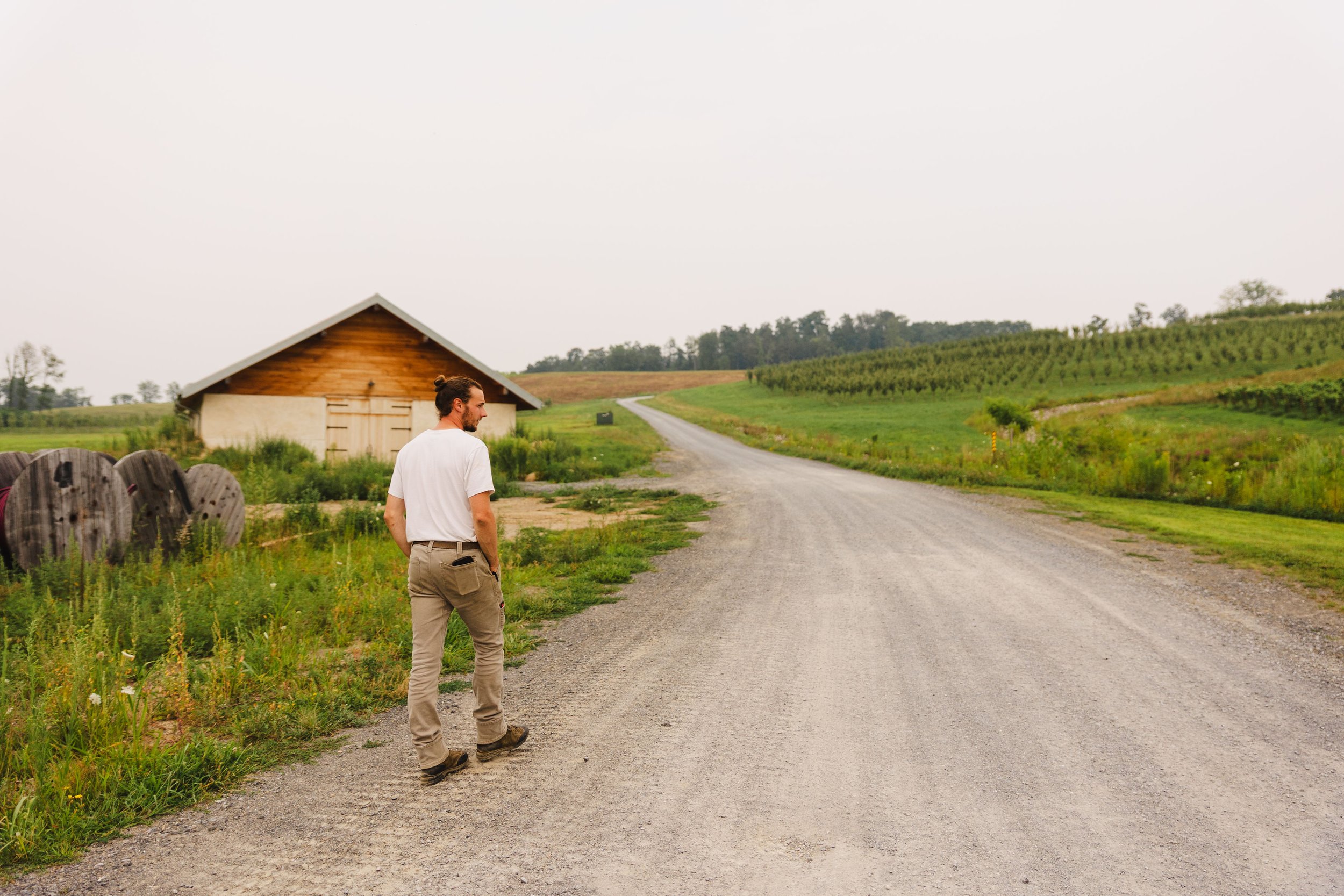
Can you now jump us forward into how your role shifted into overseeing the fruit production and harvesting — and how you trained to become a distiller?
As we were beginning to plant the vineyards and orchards back in 2019 and planning the build of the hospitality space, the company made some changes, as most startups do, that allowed me to step into the role of overseeing the day to day operations as sort of an apprentice to Daniel Farber, a founding partner, distiller, and industry expert in world class brandy. Given he has his own distillery in California (Oscolis Distillery), there was a need for someone here to oversee the job of managing the fields. With time, it became apparent that it made sense that the same person should guide the production operations as well as the spirit is really an extension of the fruit. I was eager to take on this responsibility and am blessed to be given the opportunity. So, I began training with Dan, spending time at his vineyard, winery, and distillery, which is set up very similar to ours. And in 2022, we began processing apples and making cider and distillation commenced in 2023.
I would say my training was quite unconventional to industry standards, but having come in green, I was able to learn from the best in the business with a sort of unadulterated mind with a crystal clear focus on one thing, producing great brandy. I would say I have not even begun to scratch the surface of this monumental tasks, but I feel fortunate to have spent my time learning from someone we consider a great American brandy producer who doesn't compromise on quality no matter what.
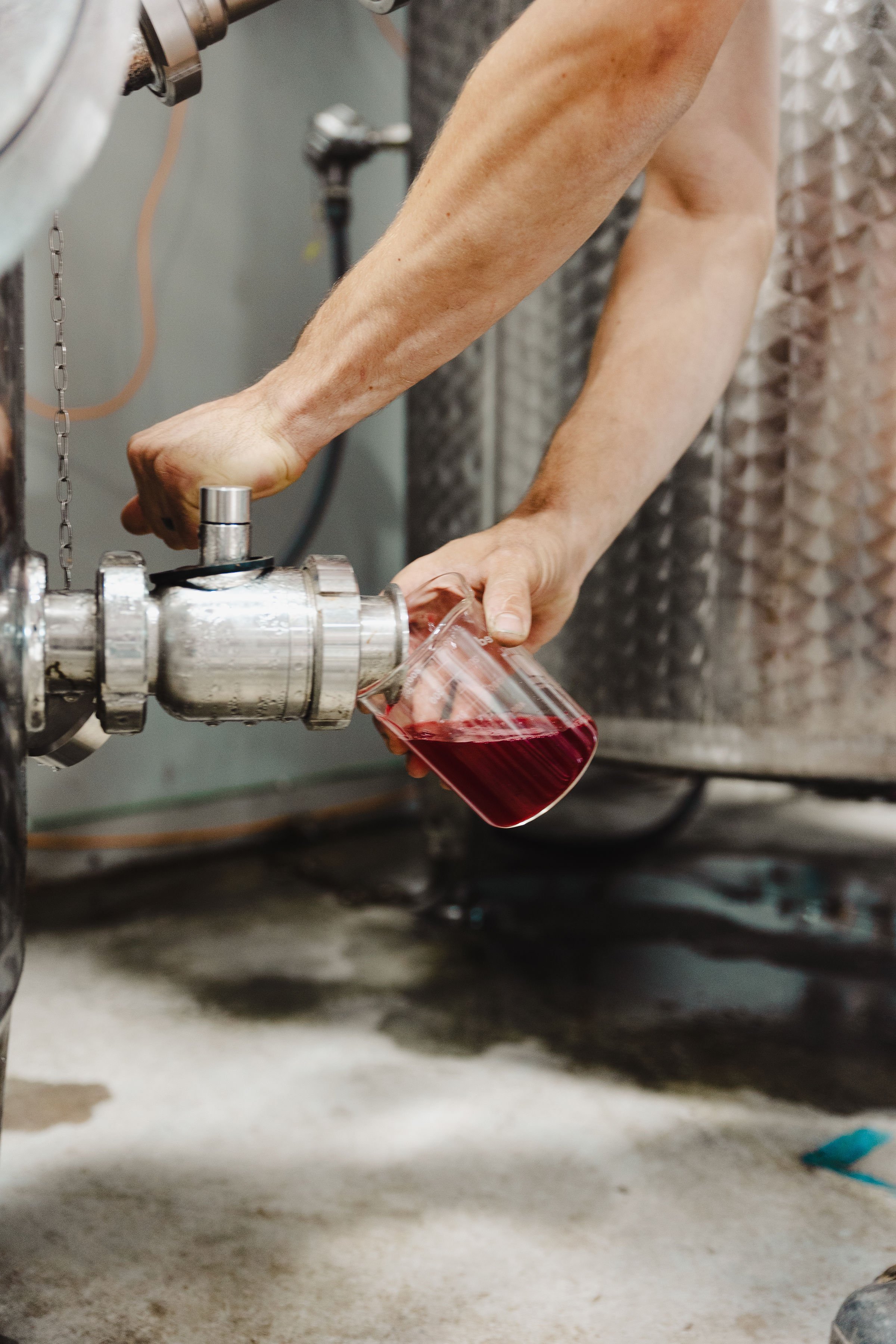
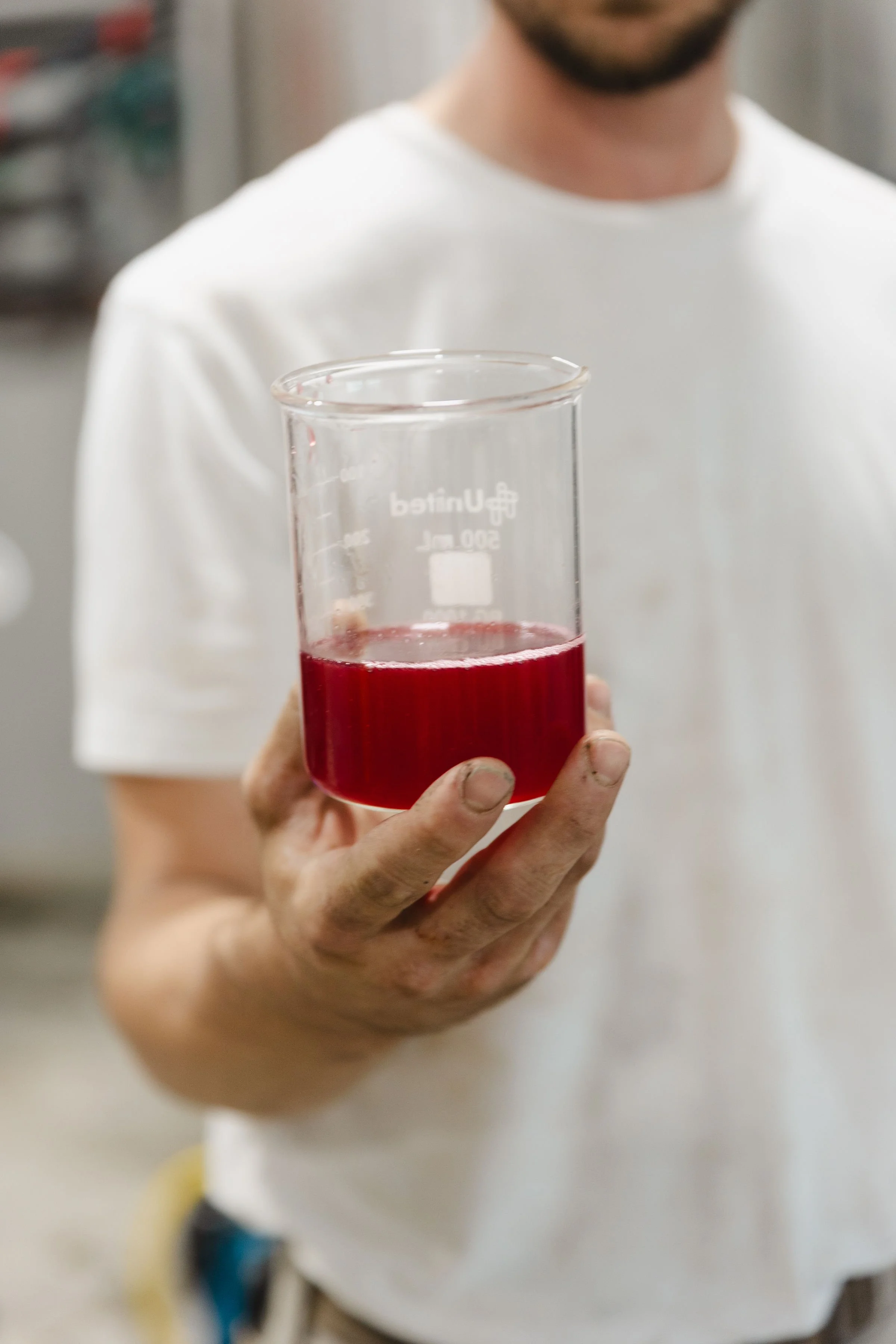
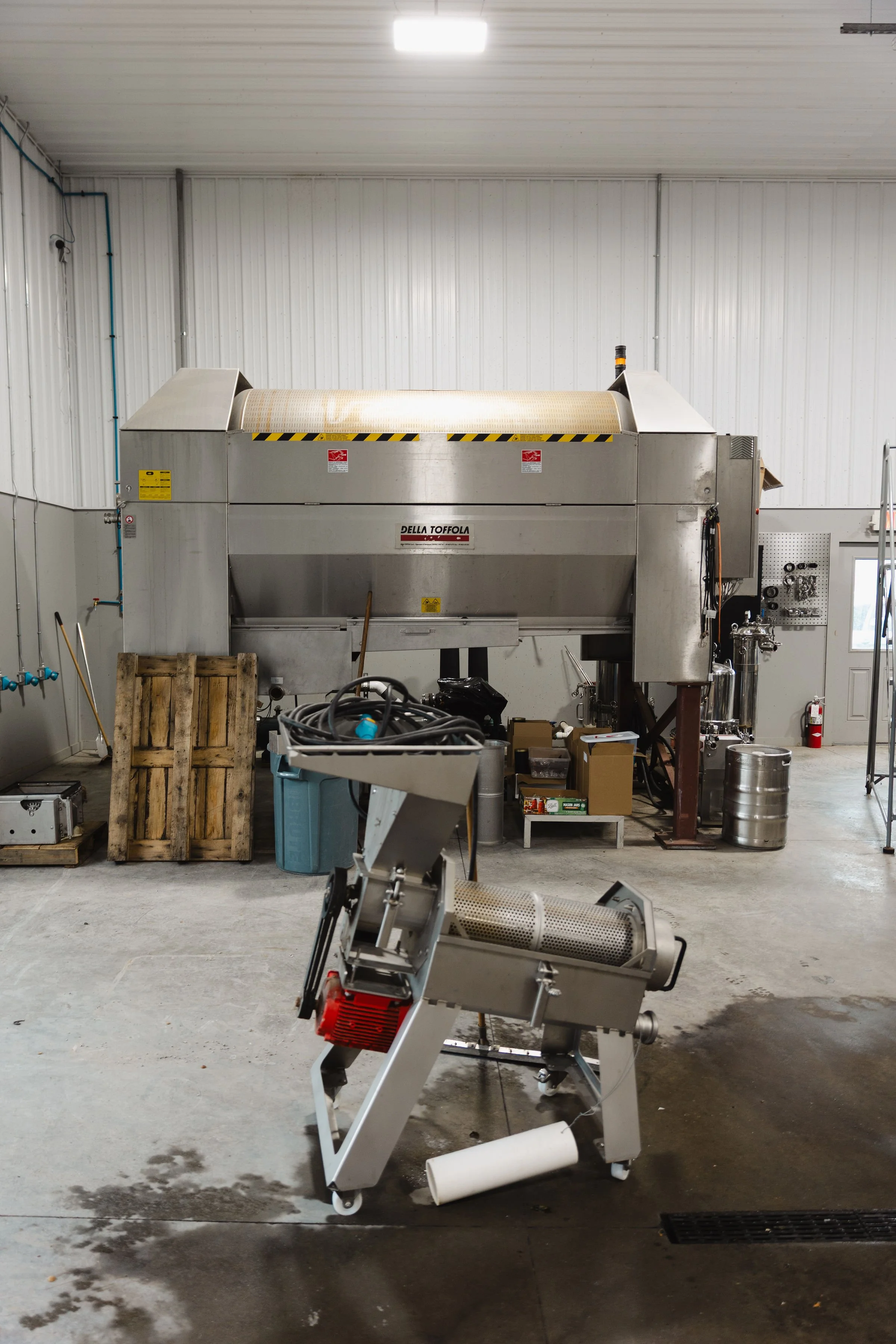
Guests may come to Klocke Estate for drinks at the bar or to dine in the restaurant, but they can also book a distillery tour. Why is that important to you and the owners?
At our core, we are a brandy producer and our desire is to share the place and process of crafting these incredible spirits. My sense is that to fully appreciate the spirit, one must understand the details, or least have a glimpse into the lengthy journey of transforming an apple or grape into a mature, complex spirit.
For me personally though, it is a far more romantic process. Yes, there is a specific process and method to most of these efforts, but what I want people to understand and see is that truly great brandies, and eau de vie, start with what nature gives us. This is not an industrial product, it is a preservation and transformation of the summer’s bounty, which is different each season. Eau de vie being the purest form of all.
Klocke’s brandies are still young. When we visited you showed us detailed fermentation logs that are crucial to this “learning phase,” as you called it, in annotating fermentation time, nitrogen levels and other measures as you rotate in each new batch. As head distiller, what’s your approach to determining what is working best and capturing optimal flavors to create a unique Klocke Estate brandy?
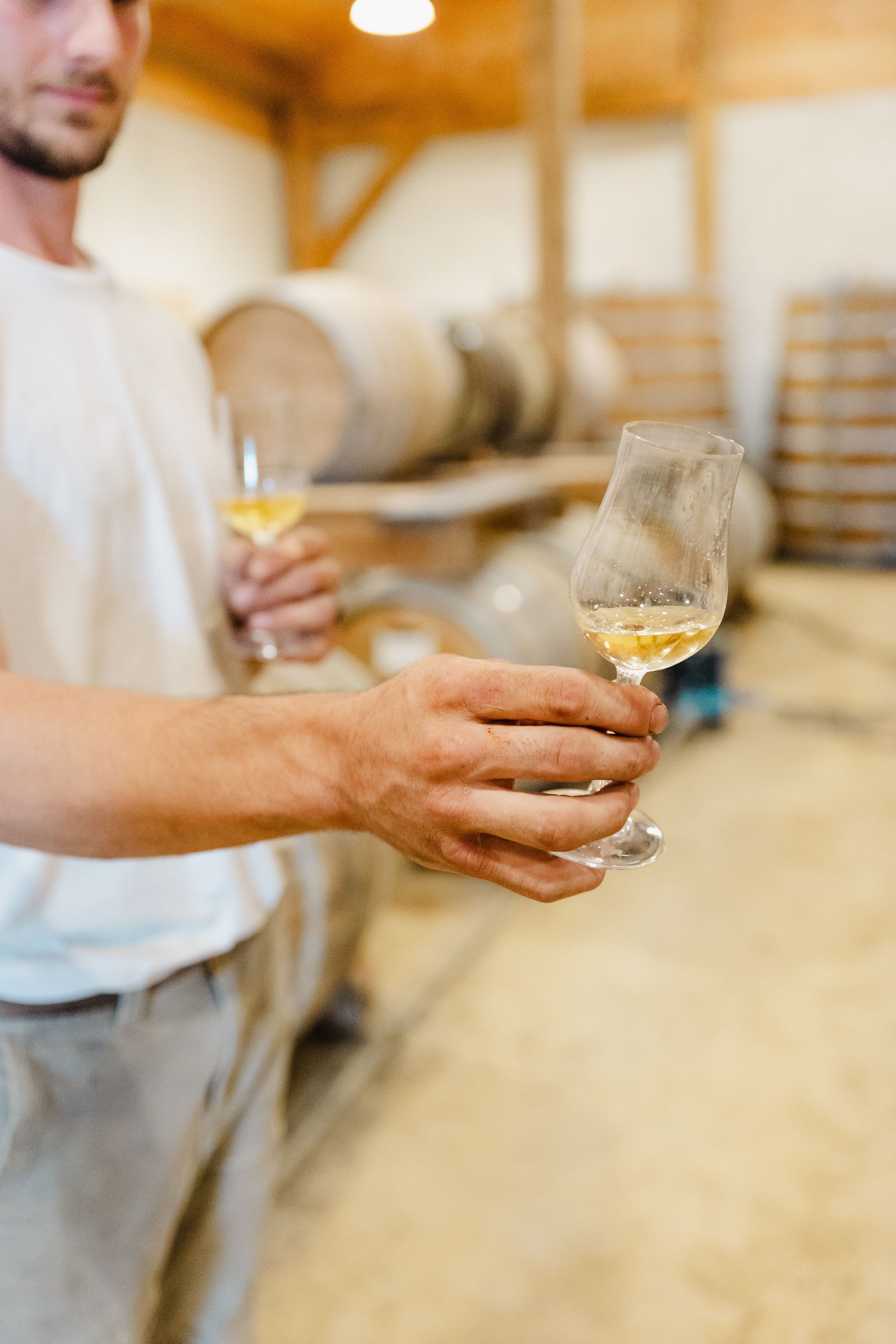
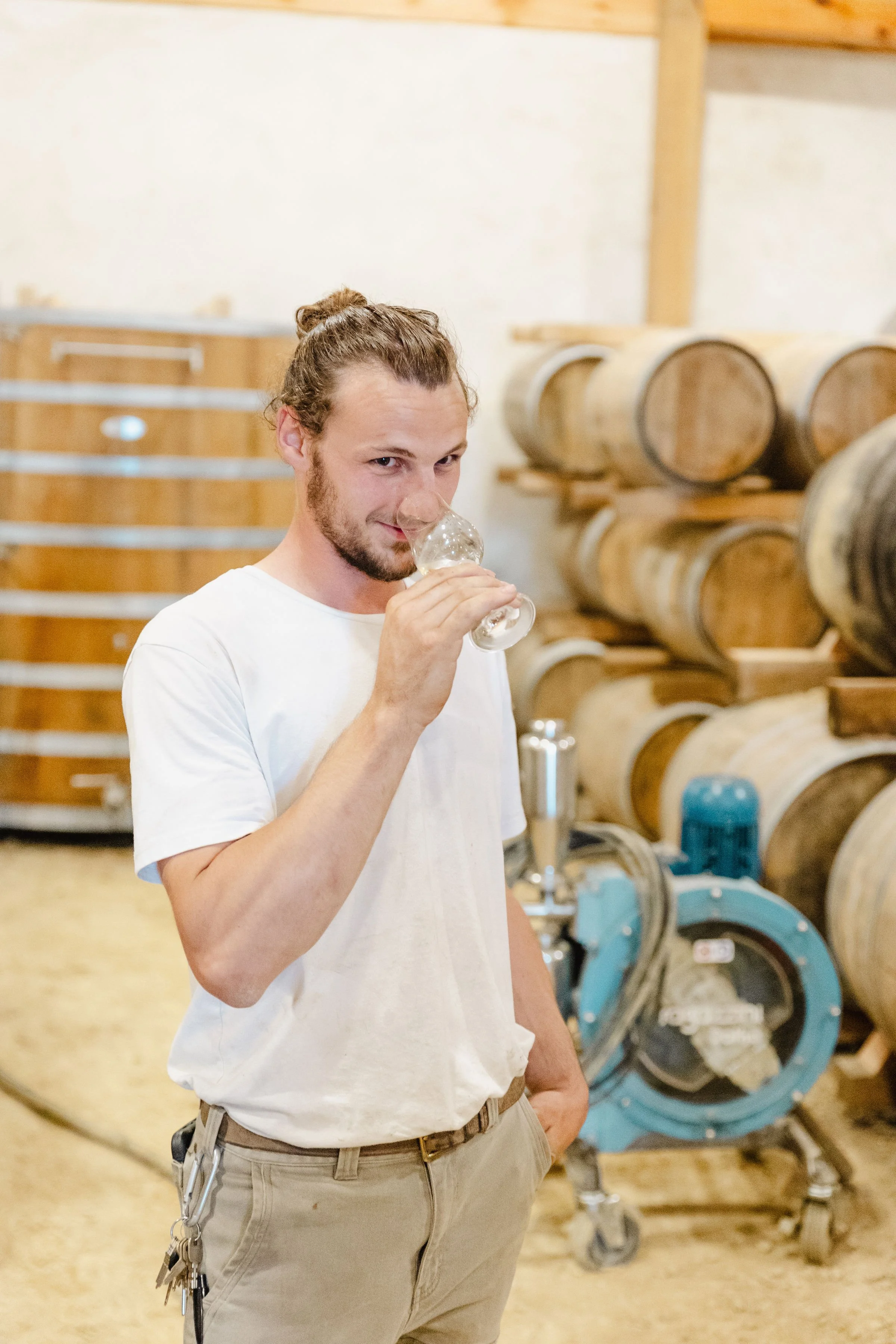
Our approach is to taste often and to be honest. Not every wine that is fermented is great, not every spirit that comes off the still is amazing, but if we do a good job in the little things, it usually comes out the other side quite beautiful. I know that may not be the exact answer you are looking for, but not being complacent and being honest in tastings truly brings quality to the top. From a technical standpoint, when we are honest, we can then go back to those certain lots of wine or cider and see how they may have gone south based on the intricate details we keep of each lot.
There are a great deal of details that we focus on in the process to preserve quality, aroma, and flavors, but at the end of the day, we want to make spirits that we find delicious and interesting. As the saying goes, the proof is in the pudding, so if guests and friends are enjoying them, I would say we are on the right track.
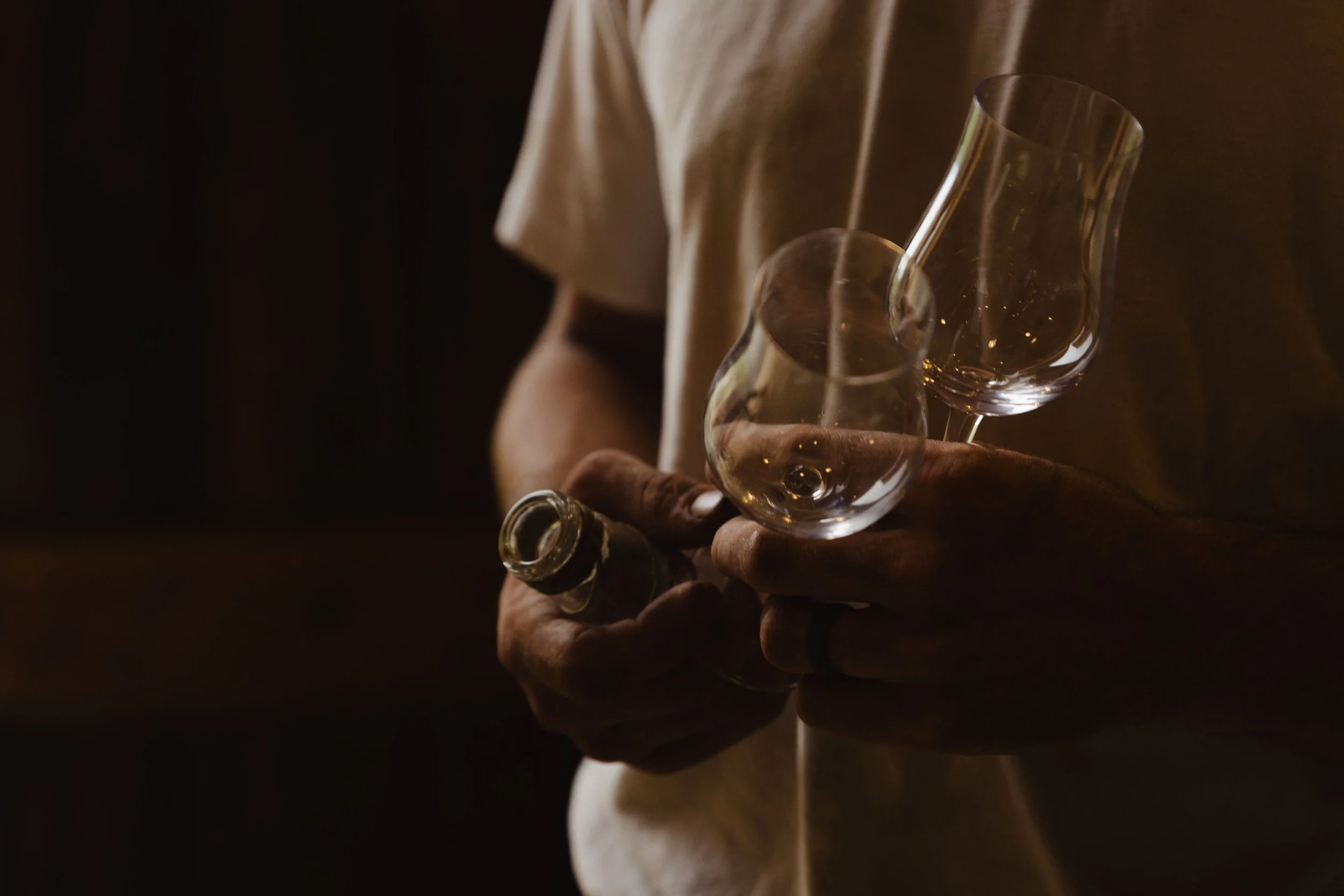
What is it about the process that has drawn you in?
As an estate producer, we oversee the entire process, earth to glass. This is an incredibly complex process that involves time and patience. I have always been attracted to difficult things. Things that I have no idea about. I love to learn and problem solve.
I also find the process, as I have mentioned above, to be entirely romantic. To have a connection to the vines, and trees and as a grower to sort of coax the plants into doing what you need them to do is in a way being in a relationship with the land. I would say this feeling is not unfamiliar to most farmers. To watch the growth and transformation of the spirits in barrel is like the raising of a child, it is all very personal in a way.
During our tour and conversation, it became very clear to me that threading through the entire the slow, seasonal, earth-to-glass production, time is the essential ingredient. Growing, crushing, fermenting, distilling, barreling, aging and waiting. Of course, Klocke literally means clock in Dutch and the read-to-drink cocktails are branded as Flyback cocktails, referencing the smallest hand of a watch. To you, what role does time play?
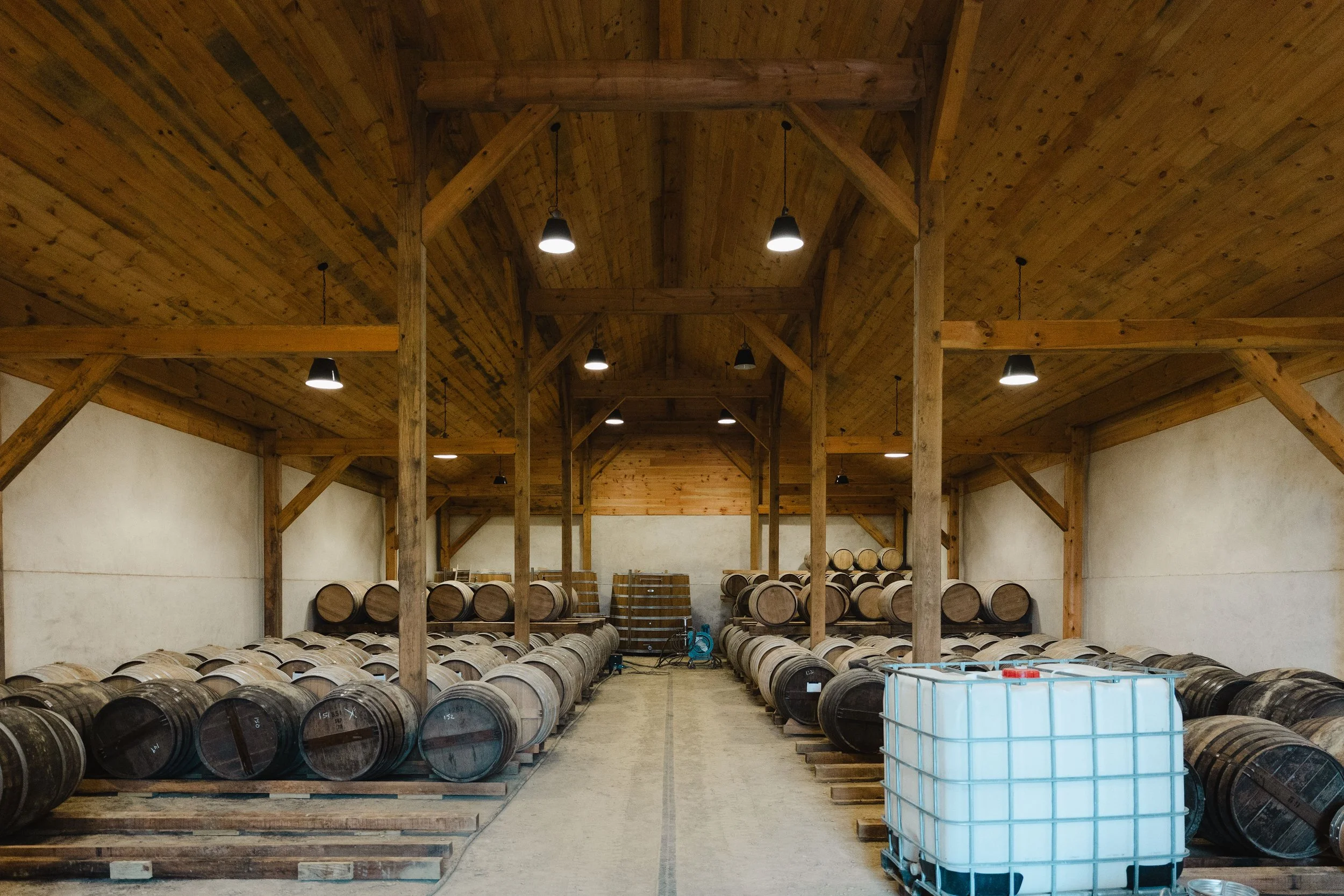
Spirits follow a very similar growth and transformation as a child. Young, lively, and maybe even a bit aggressive at times in the first years, very similar to that of a baby and young toddler who relies entirely on its parents, but if you look closely, you can begin to see the personality and character starting to peep through. As the spirit or child hits a a few years, there can be some quite charming and beautiful characteristics, but time is still needed for growth. As young adulthood is reached—in our minds this is 15-20 years—the brandy really starts to hit its stride, very similar to that of a teen or young adult. This may be a crude comparison, but the similarities are rather close and we can see that we need to be patient and that good things take time.
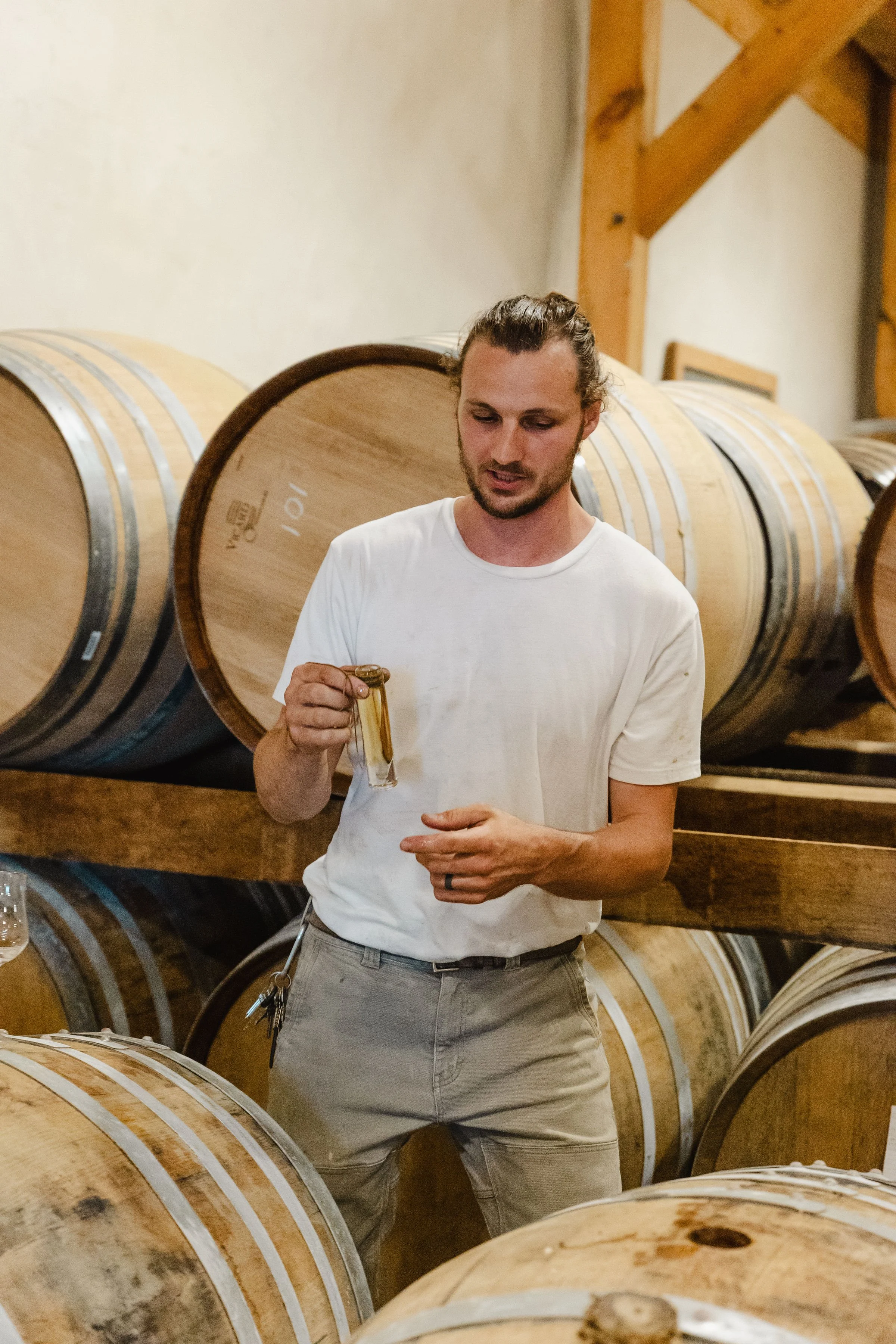
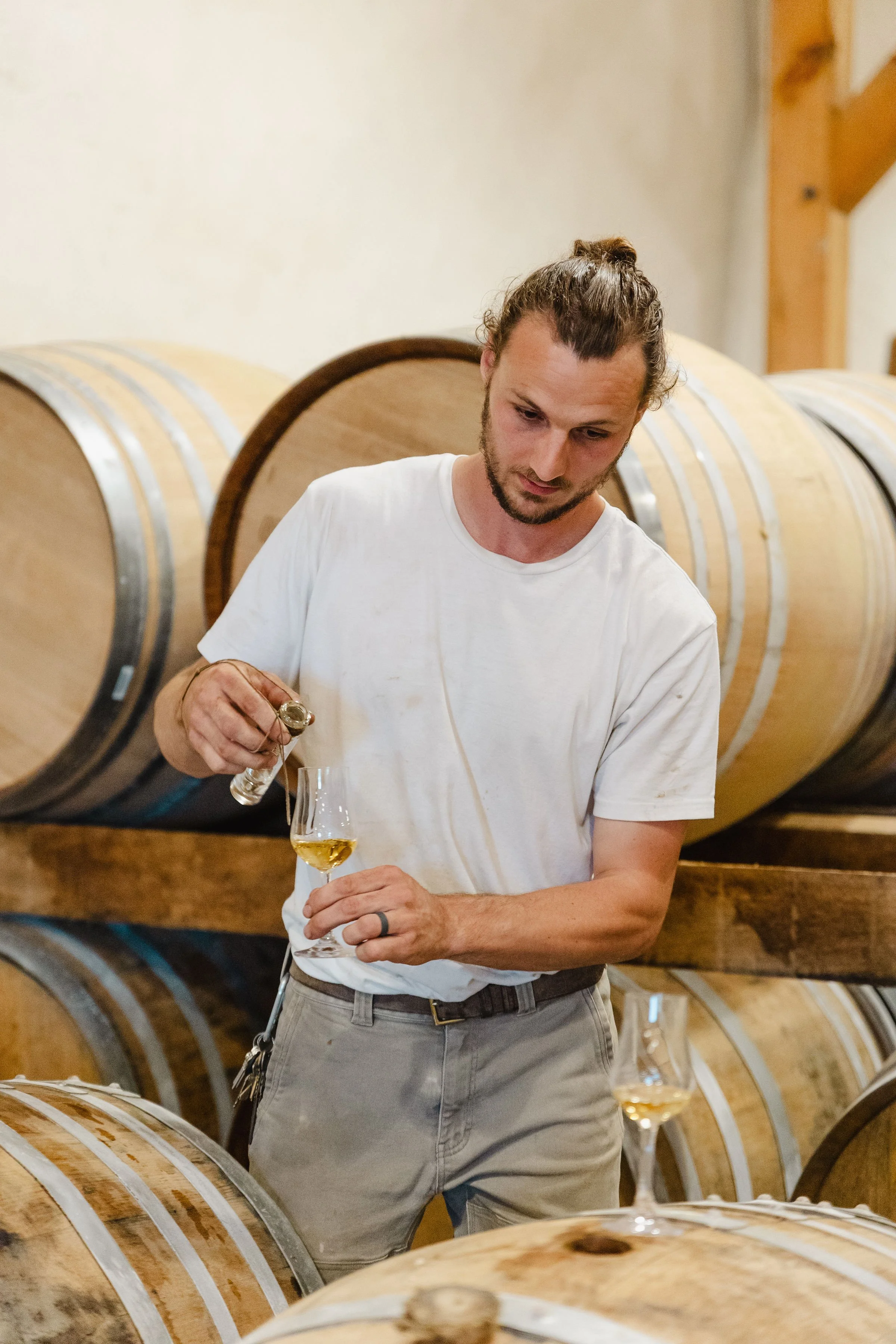
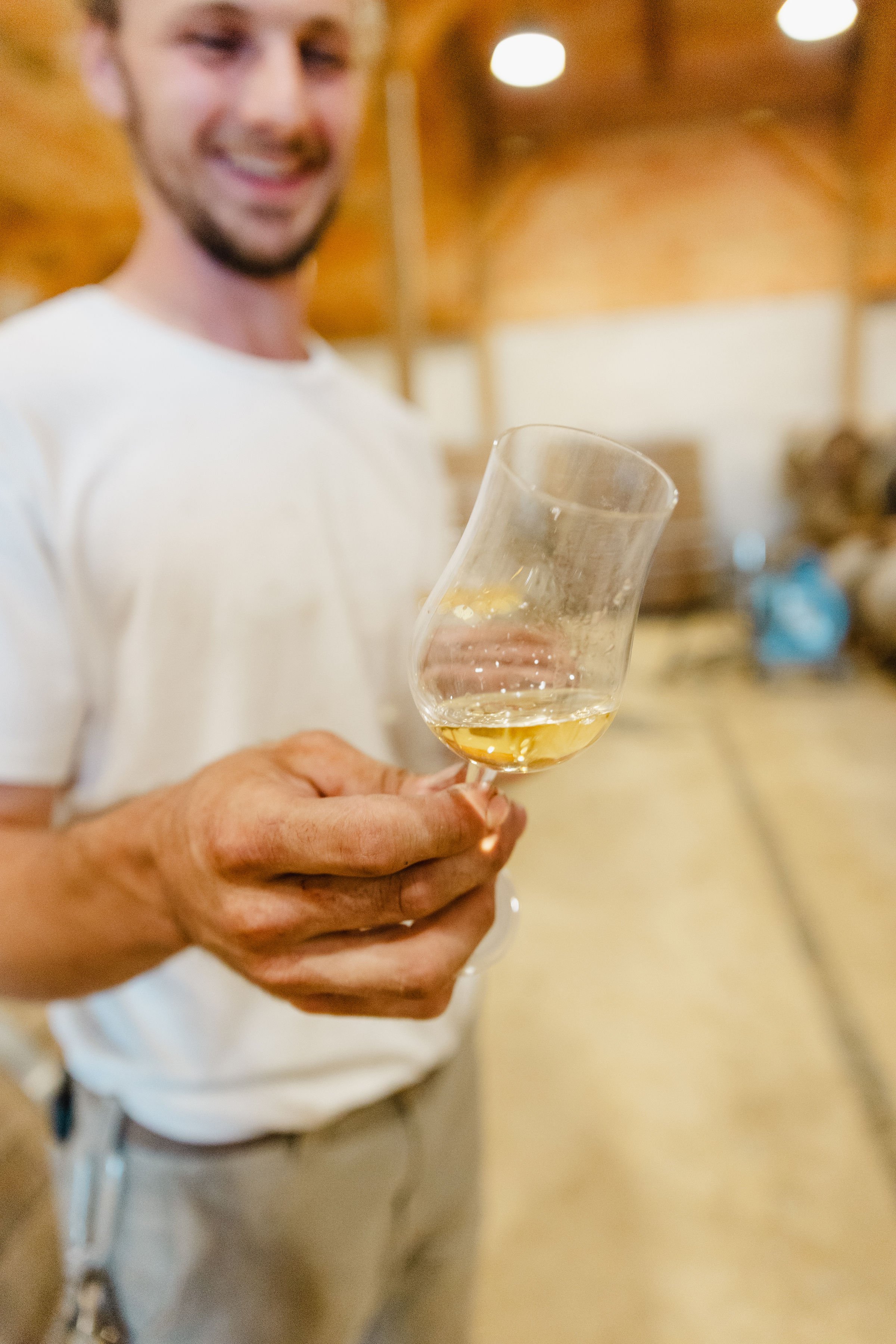
It might surprise people that the head distiller of this multi-million dollar business is a local lad. You’re hyper local having grown up in Chatham Center, and even now you and your wife live next door in an adjacent former alpaca farm. You were raised with 1 brother and 3 sisters in a Conservative, homesteading family where meals were home cooked + cakes scratch baked. Does that upbringing deepen the connection in a way to the whole agricultural process of growing fruits on the land, fermenting + waiting?
It absolutely has shaped who I am today and certainly has deepened my love for the land. It was not really clear to me until I began to dive deep into the brandy making process that my upbringing had already equipped me with many tools necessary to oversee such a production. Growing up working in the vegetable garden or my fathers fruit orchard, pruning and harvesting, it felt like coming home as I began to start working in the vineyards and orchards here at the estate, just on a much larger scale. As the production of wine, vermouth, and brandies began, I realized the process is not all that different from the bread, pastries, cheese, and meals my mother and sister used to make at home. In my mind, there is nothing that brings people together like a home cooked meal, so my goal here at Klocke, is to be able to do that through the spirits we produce.
What have been some of the biggest hurdles that you’ve had to overcome in setting up the vineyards and planting the apple trees to date?
Organic farming, maybe farming in general, has been one of the most difficult ventures I have faced. There are certain realities and factors of farming, especially organic farming, that cannot be controlled like the climate and the poor effectiveness of the materials we can use to fight diseases and pests. It is quite the balancing act to have everything work together in such a way that plants can grow healthy, beautiful fruits.
Some of the various hurdles we have crossed over the last 6 years on the farm range from low water table, which we solved, mitigated, with drainage tile, steep slopes that lead to erosion problems, and mildews that cannot be controlled well with organic materials. For me, this has been a lesson to learn to work with nature rather than against, which is essential monoculture farming. We try to let the plants and land tell us what it needs and to not force things. It is often the human that creates the problems. We need to sometimes just get out of the way and let nature take its course.
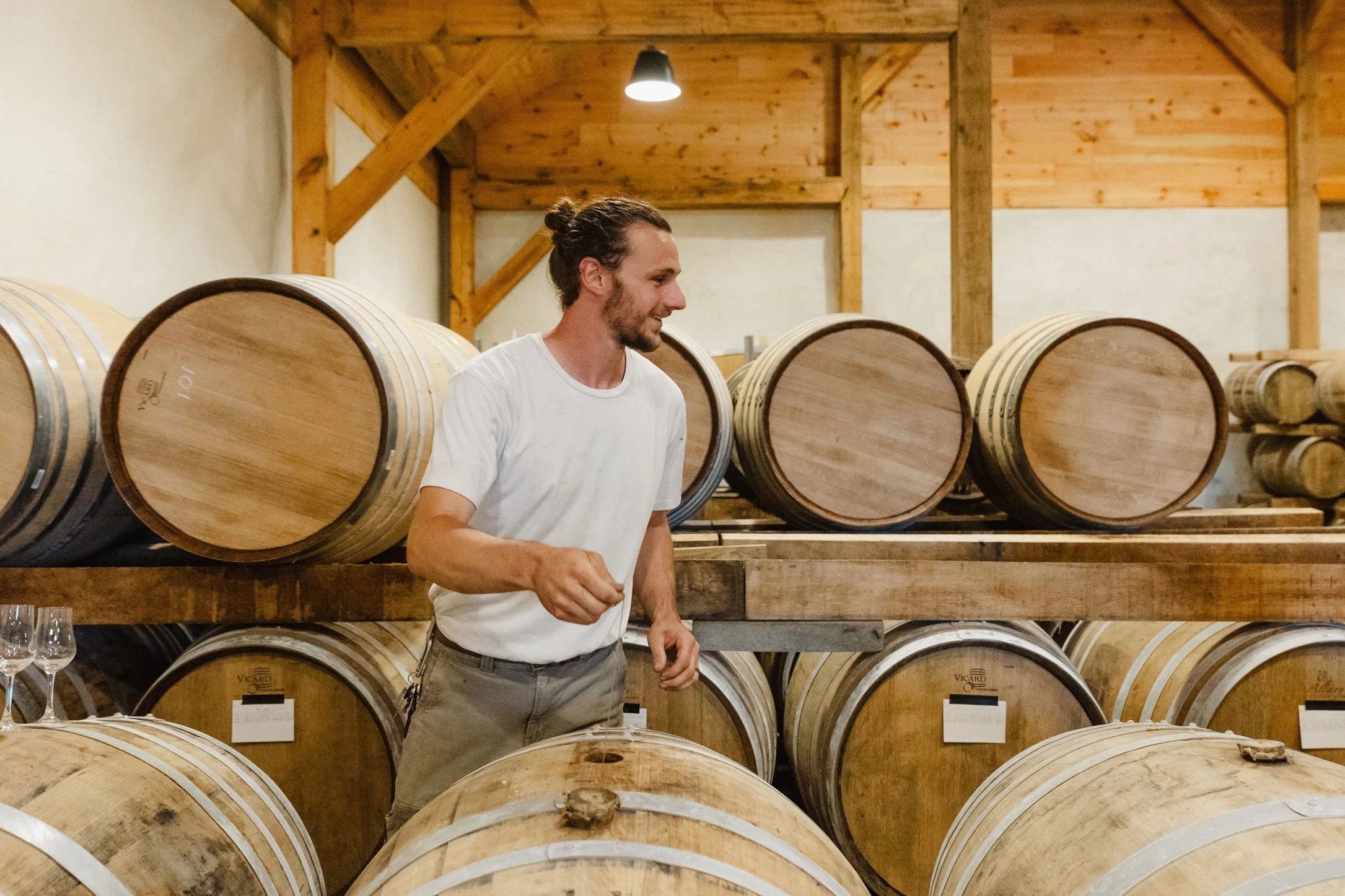
How many grape or apple varieties are farmed at Klocke? Brandy is obviously a broad term for aged fermented fruit, with Cognac-style specifically using a blend of grapes. But can you also talk about the clear, unaged fruit brandies–eau de vie (water of life)--that you also produce, like the sour cherry eau de vie?
So we grow 9 varieties of grapes and 43 varieties of apples. The grapes are mostly hybrids given the area we reside in and the need for some cold tolerance. The apples are are wide range of varieties from mostly France and England, but some Spanish and American heritage as well. Typical for grape brandies, it is normal to have one variety with maybe a small blend of another variety whereas with apple, it is not uncommon to have 20+ varieties in a blend of cider. For aged brandy, we want complexity and depth which usually cannot be achieved with just one variety of apple.
For the eau de vie, we are looking for peak ripeness. We want a spirit that reflects the fruit alone. There will be no sugars and tannins from the oak barrels to hide behind, so we must ensure cleanliness of fruit and peak ripeness to have the aroma we are looking for. There are slight nuances to each fruit, maybe slightly overripe or slightly unripe, so when i say peak ripeness, I really mean the perfect level so as to capture the essence of the fruit in distillation.
Your family is still local. Your family produces maple syrup on your land, you have a sister who is a butcher and another who, with her husband, runs Rulison’s honey farm in Amsterdam. You worked in landscaping since you were 10-years old. Does it feel natural that you have entered such a creative role that’s directly in harmony with the land?
I never thought in a million years I would be doing what I am doing, but it absolutely feels natural and right. When I started back in 2019, it took a year or so to get settled but, once I did, it felt like being back at home in the gardens and orchard with my parents. Although the land is part of much bigger legacy, I would like to think that I’ll leave a little bit of myself here throughout the landscape.
Just to connect the dots here: Your father is an electrical engineer and he encouraged you to earn an Associates degree in electrical engineering from Hudson Valley Community College, and you went on to earn a business degree from the College of St. Rose in Albany, all while competitively playing baseball through high school and college. Was there a time you thought you’d like to pursue baseball as a career? Are there any learnings from sports or your degrees that inform or influence your path today?
Absolutely! I think every ballplayer at some point thinks they will make a career of it, but fortunately, or unfortunately, for me, I realized early on in college that it wouldn't be in the cards. However, playing college baseball taught me so much in the way of discipline and time management and teamwork. Problem solving from my engineering degree and resourcefulness from my business degree I think have certainly helped me in various aspects of the business here at Klocke which makes my job so enjoyable. I am able to problem solve, create, farm, and connect with amazing other producers on a day-to-day basis. Klocke Estate was built on teamwork and I am glad to be a part of this amazing team!
Let’s get into some of your own tastes. What are your childhood memories of food whether it’s home cooking or dining out or both?
The most vivid memory for childhood meals that I think about often when producing apple brandy is the smell and taste of my mom’s first apple crisp and baked apples of the fall season, or the fresh loaves of challah, peasant, and sourdough. Fresh caught trout, zucchini, and squash on the grill in the summertime to hearty venison stews, potatoes, and applesauce in the fall, these memories around the dinner table as a family are what I remember most.
Can you tell us 3 of your favorite spots for breakfast, lunch or dinner anywhere in the Capital Region or Hudson Valley?
If I had to choose: For breakfast: Dan’s Diner in Spencertown. For Lunch: Bimi’s Cheese Shop in Chatham. And, for dinner, Pico de Gallo on the Hudson River in Stuyvesant.
Imagine your ideal day or night out. If you could instantly be anywhere in the world with no limits on costs or reservations, where would you go and how would your day or night unfold?
This is an easy one for me… I would be on a mountain in the Adirondacks on a November day with a fresh blanket of snow on the track of a mature whitetail deer with my rifle in hand. There is no place I would rather be!
As far as restaurants, I think I would choose to eat at home over any restaurant in the world. My wife is the best cook and baker: @Crummybaker
What are you most proud of to date? And where do you see yourself in 5 years?
What I am most proud of is that, despite what everyone said about the nearly impossible venture of growing fruit organically in the Hudson Valley, we have done it, have learned about our land, and have produced some amazing spirits that we shall share one day down the road. I am not sure that anyone would care all that much if we decided to halt growing organically or using regenerative practices, but to us and to me personally, it is a way of life and a challenging one that I stand by for producing the highest quality spirits. I am not sure where I see myself in 5 years, but hopefully still growing and producing spirits. Maybe ask me again in 5 years!
Caleb, thanks for talking with The Dishing. It’s remarkable to fully appreciate the careful, slow process from earth to glass and we look forward to raising a toast in 2026!