In advance of Bar Convent Brooklyn 2026, event VP Jackie Williams + master mixologist Lynnette Marrero share what drinks industry pros can expect this year
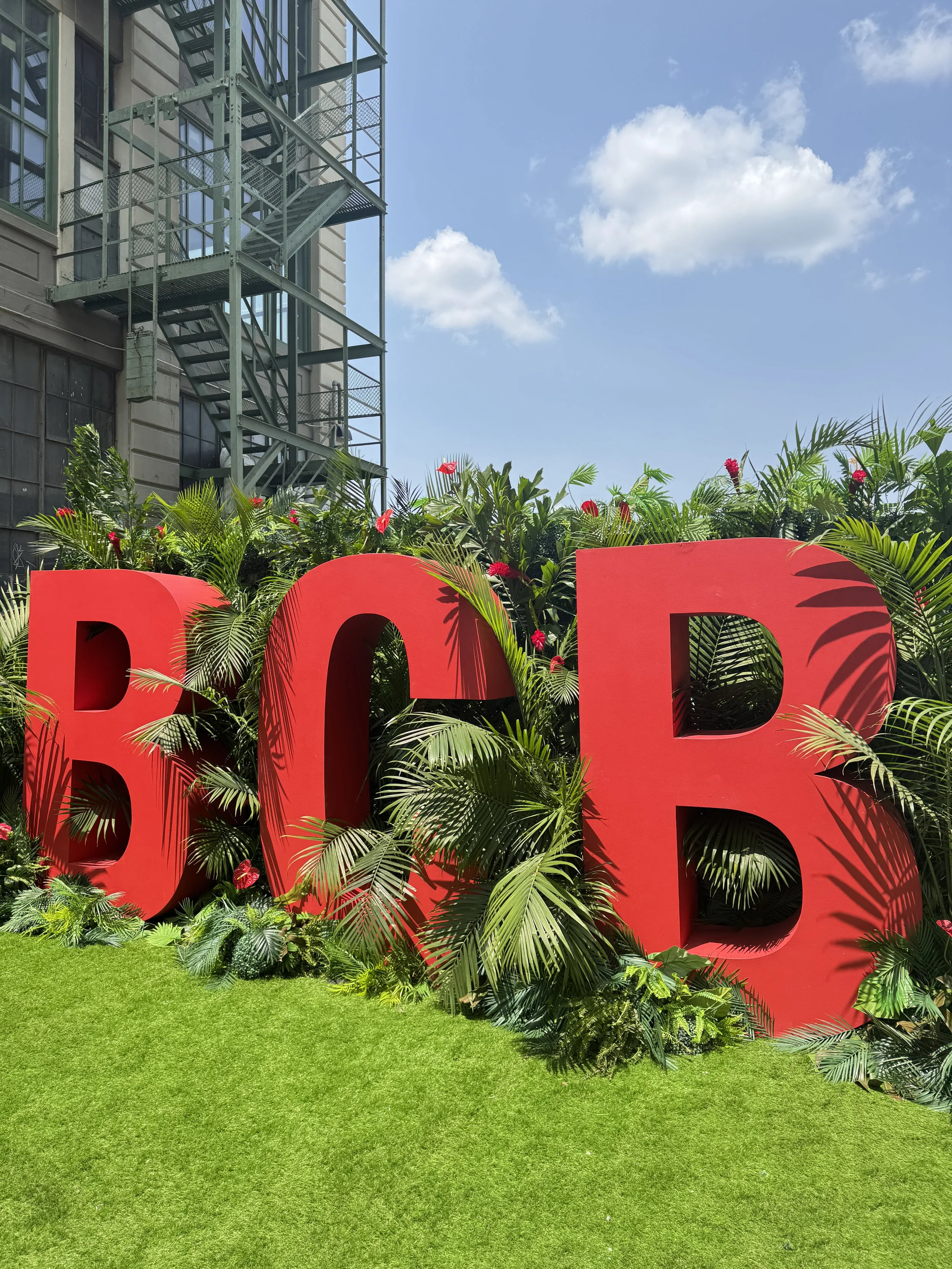
Famous enough for its name to be recognized outside of the drinks industry, Bar Convent Brooklyn (BCB)—an annual trade exhibition and convention for bartenders, mixologists, and beverage professionals—is often called "the Comic-Con of cocktails" for the immense platform it affords to both premium and emerging craft spirit brands and mixers, and for its emphasis on industry networking, expert panel discussions, and educational seminars. Since its launch in 2018, BCB Brooklyn has continued to grow with the 2025 show welcoming 5700+ industry professionals from across the U.S. and globally, serving over 550,000 samples and drinks and providing a platform for nearly 250 exhibitors.
Interview: Susie Davidson Powell
Photos: Provided by BCB Brooklyn
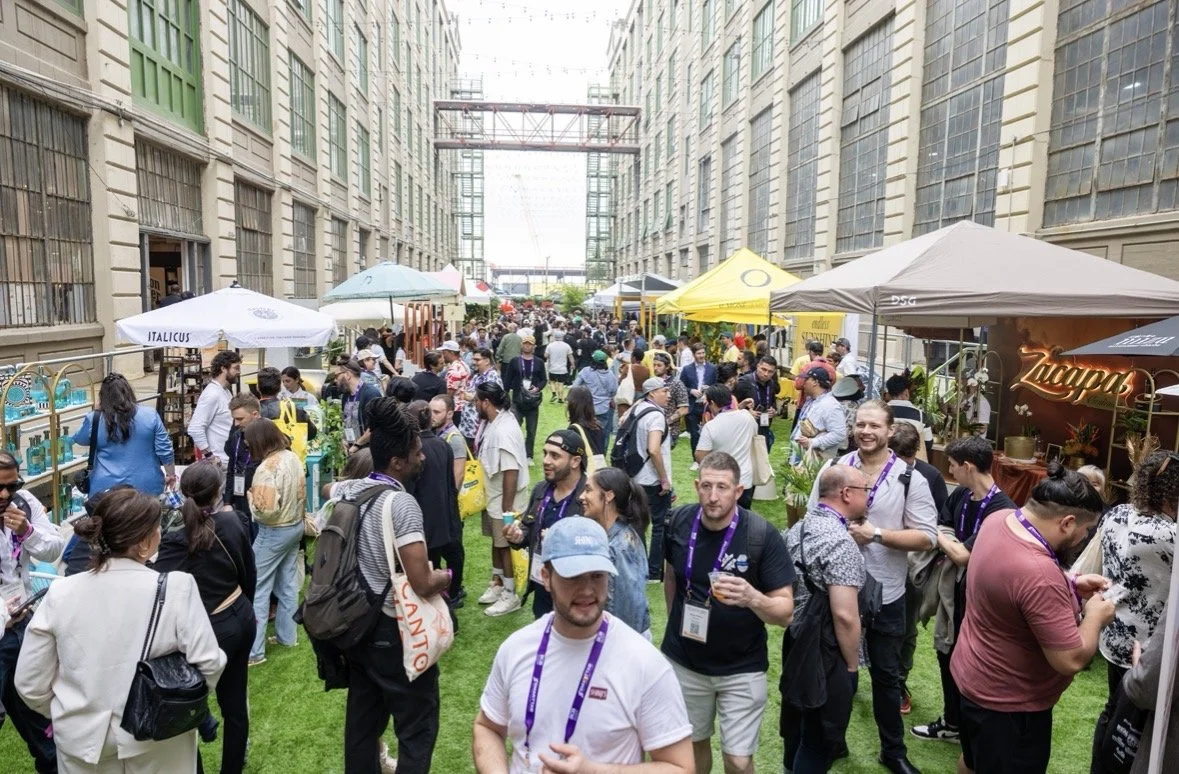
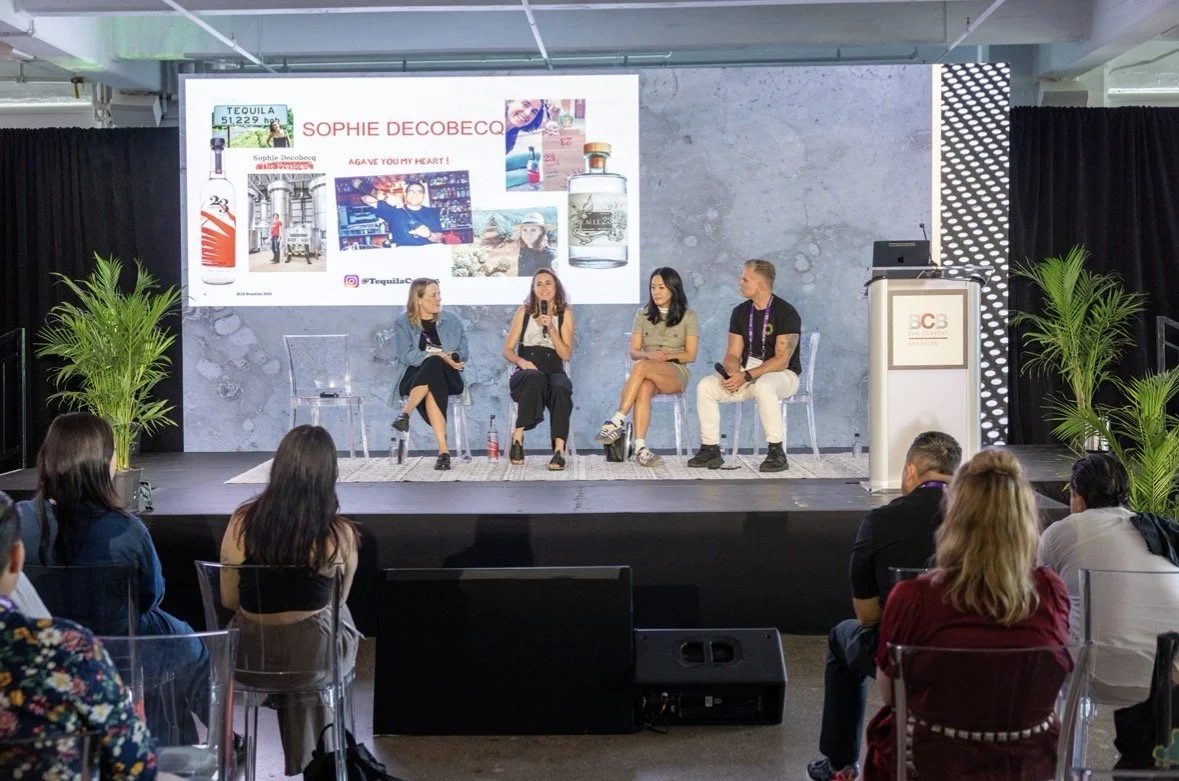
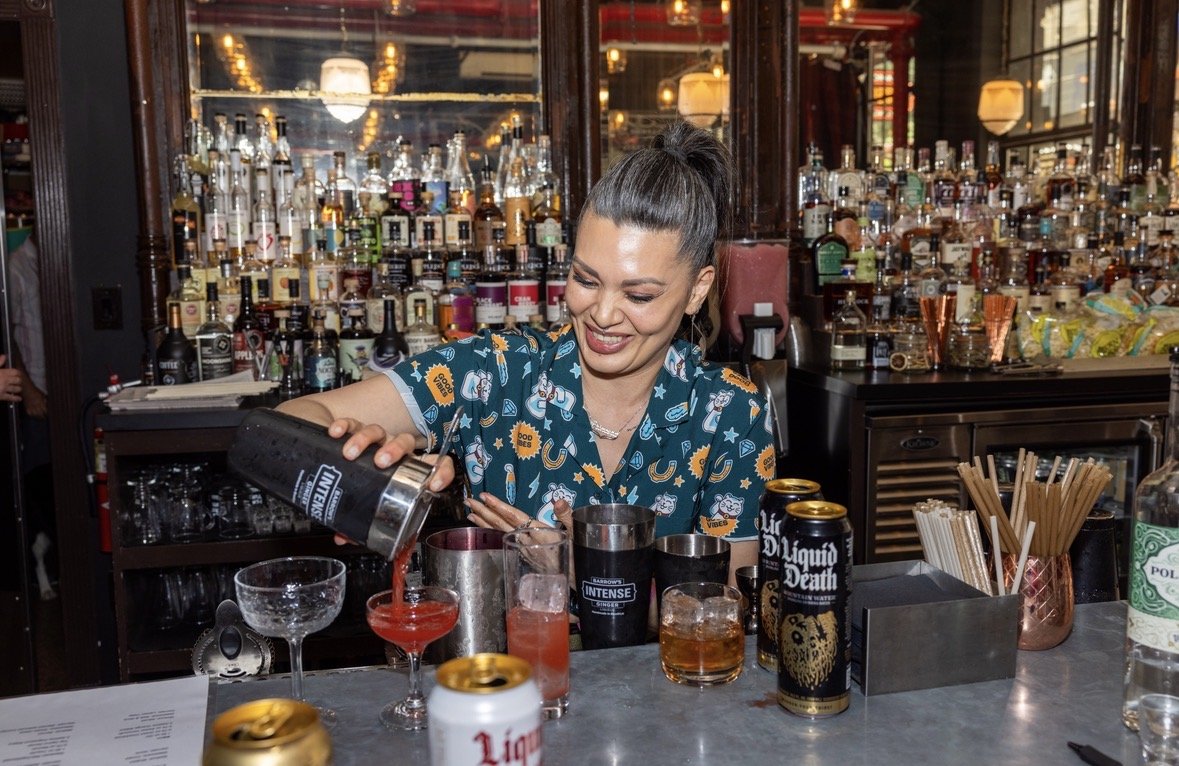
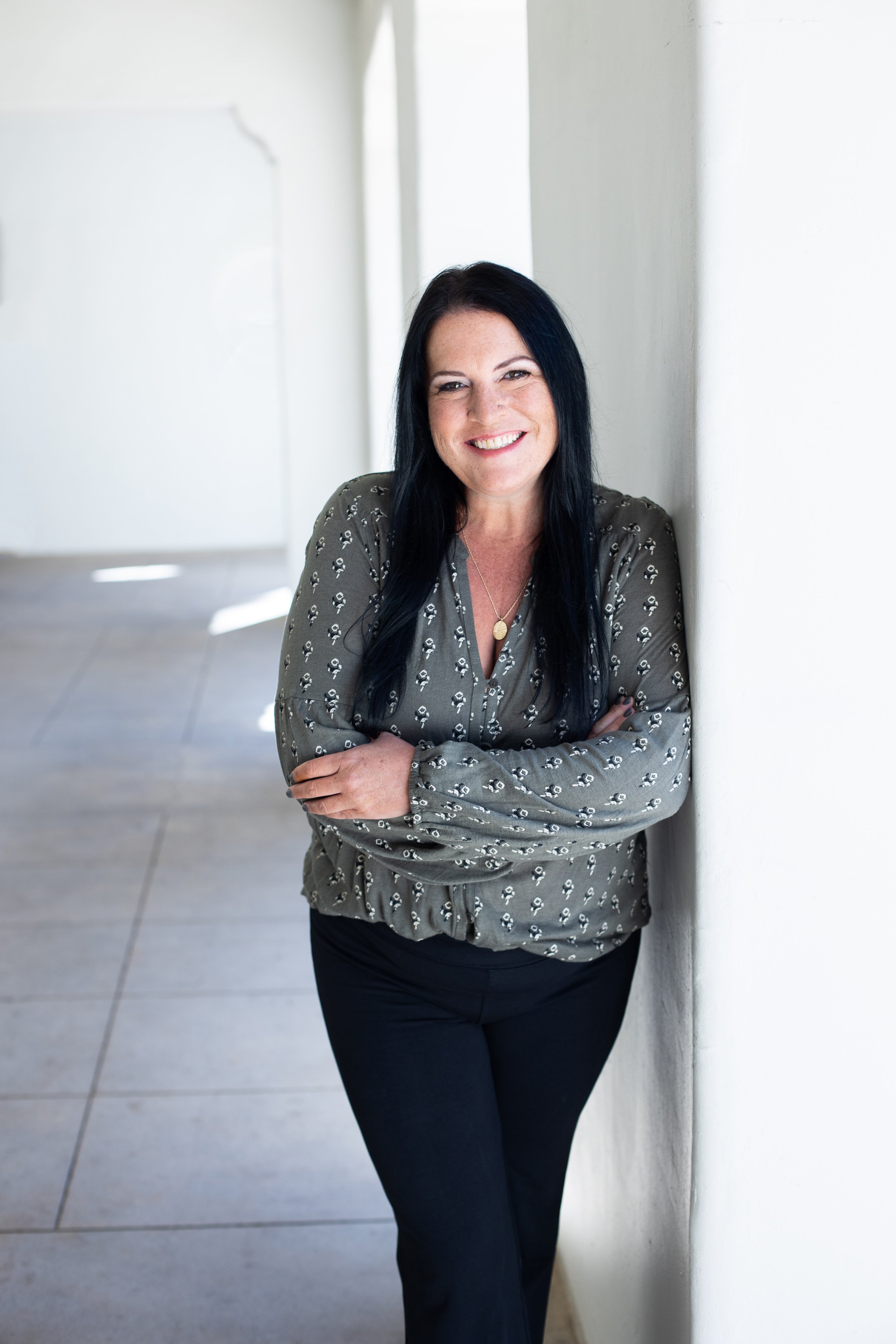
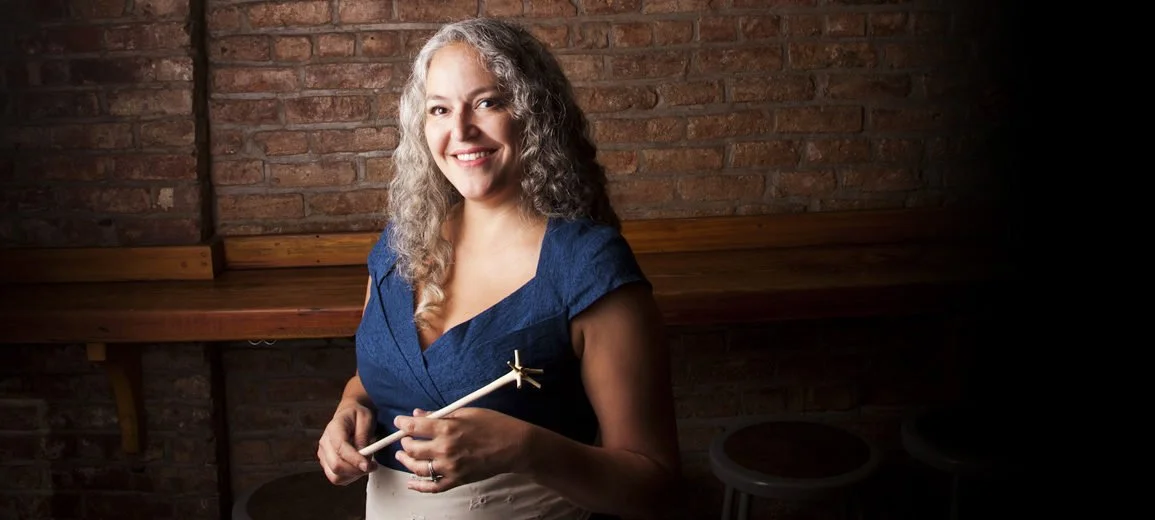
In advance of the 9th BCB Brooklyn, I asked event Vice President Jackie Williams about the success of the convention and its year-to-year growth, and Lynnette Marrero, mixologist and founder of Speed Rack, shared her thoughts on the importance of the educational programming that has become synonymous with the event.
Jackie, BCB Brooklyn has grown from a regional gathering in 2018 to one of the global bar industry’s top conferences. What was the tipping point where you recognized its impact and what continues to drive its rapid growth?
JW: When we launched BCB Brooklyn in 2018, the goal was to create a gathering place for the bar industry that was built for working hospitality professionals and we knew we had something special. Since then we’ve seen it grow over the past several years into a must-attend gathering for the global bar and beverage industry, growing our exhibitor base, education programming, and experiential offerings year after year. These new and expanded offerings continue to drive that growth and attendance.
BCB Brooklyn attracts established global brands, first-time exhibitors hoping to be discovered, bartenders looking to connect or grow careers, and business owners exploring solutions to business challenges. How do you strike a balance in designing an event that delivers value to all?
JW: Balancing such a big event comes down to being intentional about every touchpoint: the show floor, the education programming, the experiential moments, and the conversations that happen in-between. We create dedicated stages and sessions that speak to different needs: Park Street University is specifically designed for distributors, marketers and entrepreneurs tackling business challenges, while the Main Stage, Liquid Lounges, and Workshop Stage serve bartenders looking to grow their craft and careers.
For brands, we think carefully about how the floor is structured to give both established players and first-time exhibitors the visibility and access they need. And beyond the programming, we design the overall environment to encourage the kind of organic connections and discovery that you can't plan for but that often end up being the most valuable part of the event. There isn't a one size fits all at BCB Brooklyn, and that’s what makes it exciting.
The no- and low-alcohol category has had meteoric growth over the last decade, as well as increased visibility at BCB Brooklyn. How have you responded to that shift and where do you see the category heading?
JW: In recent years, we've seen a lot of growth at BCB Brooklyn come from low-ABV and non-alcohol drinks, along with mixers and other adjacent categories, and we've created more space for those brands because the demand is real. We see bar programs becoming more diverse and continuously adapting for a range of consumer preferences, and BCB Brooklyn is evolving right alongside them. Ultimately, these products simply become part of what every great bar program carries.
A defining theme for 2026 is the reality of running hospitality businesses in a challenging economic environment: inflation, pricing pressure, evolving ownership models, industry fatigue. How is BCB Brooklyn positioning itself to address an industry facing these stressors?
JW: BCB Brooklyn positions itself as the place where the industry comes together to tackle these challenges head-on - through business conversations, product discoveries, and creative ideas that translate back to real operations. The industry is facing real financial pressure and taking a careful approach to pricing, ownership models, and how to build sustainably for the long term. Those conversations happen on our show floor and within our education programming, giving hospitality businesses the tools and perspective to make smarter decisions.
Looking at what’s new for the 2026 conference, what are the new elements you’re introducing and why?
JW: For 2026, we're expanding both the education and experiential sides of BCB Brooklyn in some meaningful ways. The new Workshop Stage is one of the biggest additions - it's focused on hands-on learning and practical skills that bartenders can immediately apply in their businesses. On the show floor, we're broadening representation to include more new product launches, ready-to-drink brands, barware companies, and hospitality technology platforms, reflecting how the beverage landscape continues to evolve.
On the experiential side, the courtyard is playing a much larger role this year. It will be anchored by a dedicated bar featuring some of New York's top bartenders at the Courtyard Bar East, and activations like the Garnish Garden - an immersive space where attendees can explore and personalize their drinks through fresh garnishes, designed to encourage discovery and connection outside the traditional show floor. We're also introducing Premium VIP badge options for those looking for deeper access to education, networking, and more intimate programming. A lot of exciting additions this year.
At BCB Brooklyn, a small label can get in front of the right distributor, buyer, or press contact in a single day. The Brand Accelerator Pitch Competition takes that even further. What does this exposure open up for a brand that doesn't have its own backing?
JW: For a brand without its own backing, this kind of exposure is a game-changer. BCB Brooklyn has always been a place where a small brand can get in front of the right distributor, buyer, or press contact in a single day, and the Brand Accelerator Pitch Competition presented by Women of the Vine & Spirits® takes that a step further. It's a strategic platform designed to spotlight emerging brands and connect them directly with industry leaders and decision-makers who can fuel their next stage of growth. Beyond the visibility, the winner walks away with a package of mentorship, distribution support, PR services, legal guidance, and more - an offering that most emerging brands won’t have access to on their own.
We’re seeing sustainability across the industry from packaging to waste-free bar programs. How does sustainability fit into the larger story for BCB Brooklyn?
JW: BCB Brooklyn continues to be committed to sustainability, and our efforts show up throughout the event. For example, we separate recycling throughout the event, compost garnishes and excess materials, reuse booth builds, turf and signage year over year, and our staff shirts are made from recycled materials. We also partner with Trees for the Future, planting ten trees for every visitor who registers. It's all part of a bigger commitment - our parent company RX Global has pledged to be net zero carbon by 2040. Beyond that, we offer education sessions focused on sustainability to share best practices and build awareness for climate action, because we believe BCB Brooklyn has a role to play in moving that conversation forward for the industry.
Mental health programming is increasingly visible and intentional in BCB Brooklyn's education lineup, from "Mixing in Mental Health as a Bartender" in 2024 to boundary-setting and psychological perspective sessions in 2025. I’ve been writing about the industry for over a decade, but in all of my post-pandemic interviews with industry professionals from chefs to bartenders, talk turns to burnout, mental health, addiction, health, loneliness and how to access to support. It’s perhaps the single biggest topic they want to talk about beyond culinary paths or mixology.How did you decide to make wellness a pillar of the curriculum and not a side bar?
JW: It was a response to what we're hearing: burnout, isolation, and access to support are real, and the industry was already having those conversations. We just finally gave them the space they deserved on the stage.
This year we're going deeper than a single session. Dr. Jessica Pomerantz —a psychologist and a working bartender—is leading two seminars on the Liquid Lounge: Pathways to Harmonizing Mental Health and Profitability in Hospitality and Balancing Act: Mastering Internal Resources for a Healthier Career and one in the VIP Lounge: Crafting Culture: What Culture Means and How It is Built. Having someone who has stood on both sides of the bar, brings credibility to these conversations.
We're also taking it beyond the classroom. Throughout both days, the courtyard will host Between Shifts, wellness moments led by bartender and yoga instructor Samantha Casuga, from breathwork in the morning to guided meditation to wind down. When the industry is ready to have these conversations, the least we can do is build the room for them.
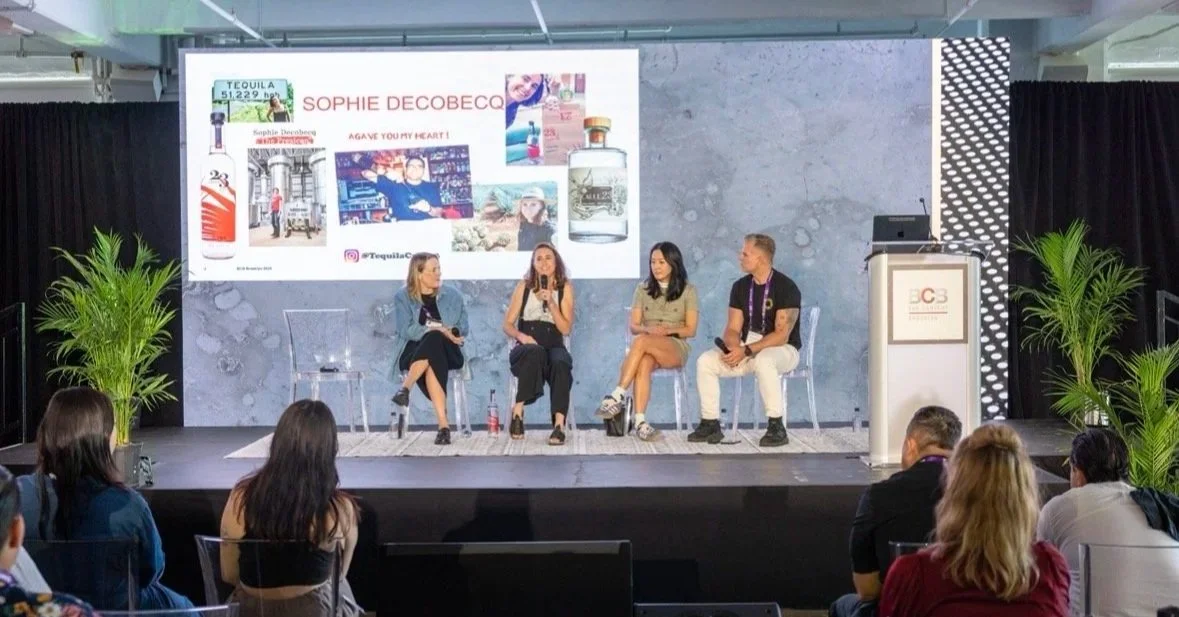
OK, so now turning to the educational sessions geared specifically for bartenders and the industry.
Lynnette, BCB Brooklyn's education program spans menu engineering, mental health, neurodiversity, and financial survival. Your BCB Brooklyn education committee is a superb cross-section of the industry's most operationally and culturally fluent voices. How did you determine who should be at the table to lead the conversation forward?
LM: It starts with the question: “Who is actually doing the work?” The education committee is built around people who are in the industry and not just talking about it from the outside. I want voices that reflect the full range of what it means to work in hospitality right now, which means bartenders, operators, advocates, and educators who understand that the job is as much about mental health and financial survival as it is about what's in your glass. Making sure to include a diversity of voices from different regions as well, as people travel to Brooklyn for the conference. When you have the right people at the table, the programming takes care of itself because they know what the community wants to hear.
You have described the no- and low-ABV category as an opportunity for inclusion and creativity, not just a trend to accommodate. As you have worked closely with low-ABV brands like Aplós and Delola, what’s your approach to designing education around this category?
LM: My approach is to treat it as a core part of the curriculum, not an add-on. We have dedicated sessions on low-ABV - one focused on practical techniques for creating lighter, more sessionable cocktails without sacrificing flavor or structure, and another hands-on exploration of Modern Modification that demystifies American Aperitifs through guided tastings and sensory exercises. And it threads through the broader education programming too as low-ABV deserves to be a part of the conversation.
Bartenders and hospitality workers face a specific psychological pressure that doesn't map neatly onto corporate wellness frameworks — late hours, substance proximity, emotional labor, financial volatility. How is the 2026 education program addressing mental health in ways that are actually built for the realities of service industry life?
LM: We are looking at many different ways you see psychological pressures. The modern bar landscape is filled with pressures that affect everyone. It is important to have licensed professionals involved in these discussions. It is also important to hear from the operators as well. The session “What Breaks First in Bar Operations Under Pressure, helps peel back the curtain on what is happening in the business landscape that can ultimately affect the workers.
You have said that education and mentors were important to your career path. You founded Speed Rack on the premise that creating a dedicated space and competition for women+ bartenders could change industry culture. How has that experience shaped your approach to curating BCB Brooklyn's education program and community-building?
LM: Speed Rack taught me that when you create intentional space for people who've been overlooked, the talent was always there, it just needed a platform. And that's baked into how I think about BCB Brooklyn's programming. Education isn't just about transferring information, it's about who gets to be in the room and who gets to be on the stage. The mentors who shaped my career didn't just teach me technique, they made me feel like I belonged in the conversation. That's what I want people to feel at BCB Brooklyn. Whether it's wellness, business skills, or craft, I'm always asking: Does this actually serve, inspire, and help our community?
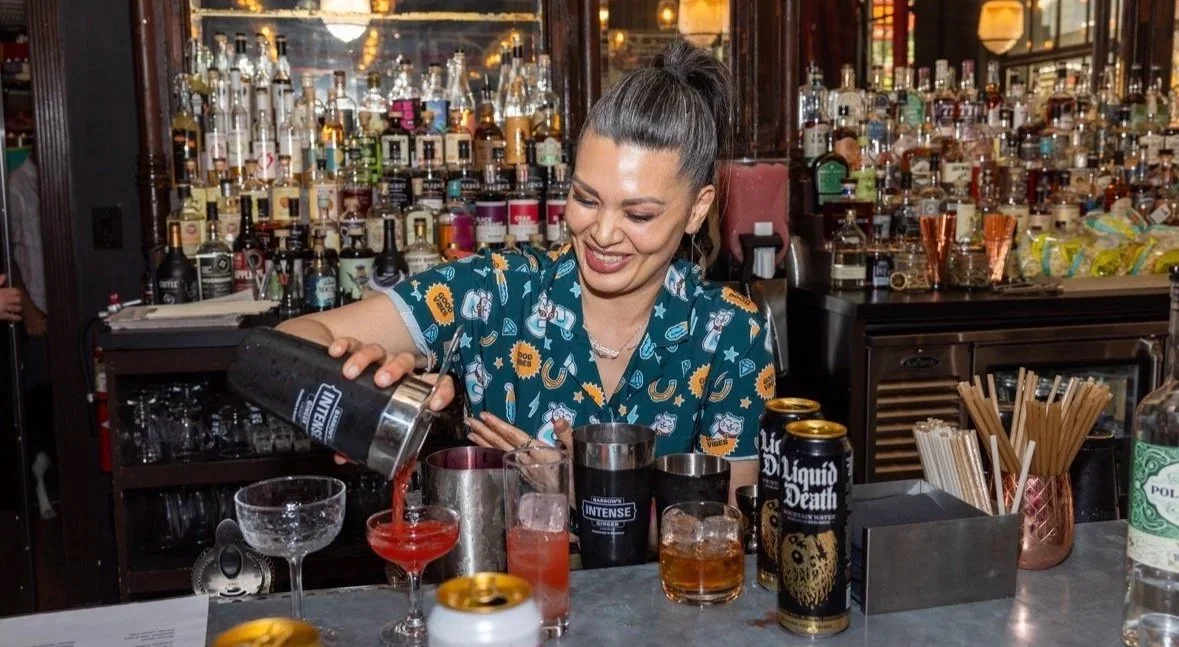
Ok, now, a question for both of you: What's the one conversation you're most hoping happens at BCB Brooklyn 2026?
JW: The conversation I'm most excited about is the one we can't fully predict yet. But if I had to name one, I'd say it's how businesses move forward in this environment - what’s working, what’s not, and where the biggest opportunities are. One of the most interesting things about BCB Brooklyn though is that the biggest trends often reveal themselves during the event itself when thousands of bartenders, brands, and hospitality professionals gather in one place, common ideas start to emerge across the show floor. New ingredients, techniques, categories appearing in multiple booths and conversations at once.
LM: The conversation I'm hoping for is the one that surprises me. BCB Brooklyn is that moment in the year where the whole industry comes together and you start to see ideas emerge in real time - across the show floor, in sessions, in casual conversations. That collective energy is where the most interesting things happen and I'm showing up this year ready to be part of that.
For a bartender or bar owner attending BCB Brooklyn for the first time, the education slate can feel overwhelming. What's the pathway you'd map out? What should they prioritize to leave with something they can use the following Monday back behind the bar or running their business?
JW: I tell people to come with a plan, but stay open to discovery. Review the education schedule and exhibitor list ahead of time so you know what you want to see, but don’t limit yourself to the show floor. Make time for education sessions, the Main Stage conversations, and events happening across the week. Some of the most valuable moments come from unexpected conversations, whether that’s in a seminar, at a tasting, or between meetings.
LM: Look up the education schedule ahead of time and select what aligns with what you're looking for, that's your foundation. Then build in the hands-on sessions, because the Workshop Stage exists exactly for that moment where you leave with something practical, not just inspired. For a bar owner, prioritize the business programming and make time to walk the floor — there are hospitality technology and solutions exhibitors there that can directly impact how you run your business. The goal is to walk out with something you can implement for your business..
Thanks for the heads up on what’s coming to BCB Brooklyn this year. We know many of our ‘Guest Shift’ upstate bartenders are attending as well as some emerging brands we have featured. We’ll see you there!
For more on health + wellness in the drinks industry, visit The Dishing’s RAISE THE BAR initiative + check out our interview with Catarina Bill of Southern Smoke Foundation, a national organization providing free mental health counseling to hospitality workers.