MEET: HILLARY ZIO, sommelier + owner of ISOLA WINE BAR, Kinderhook
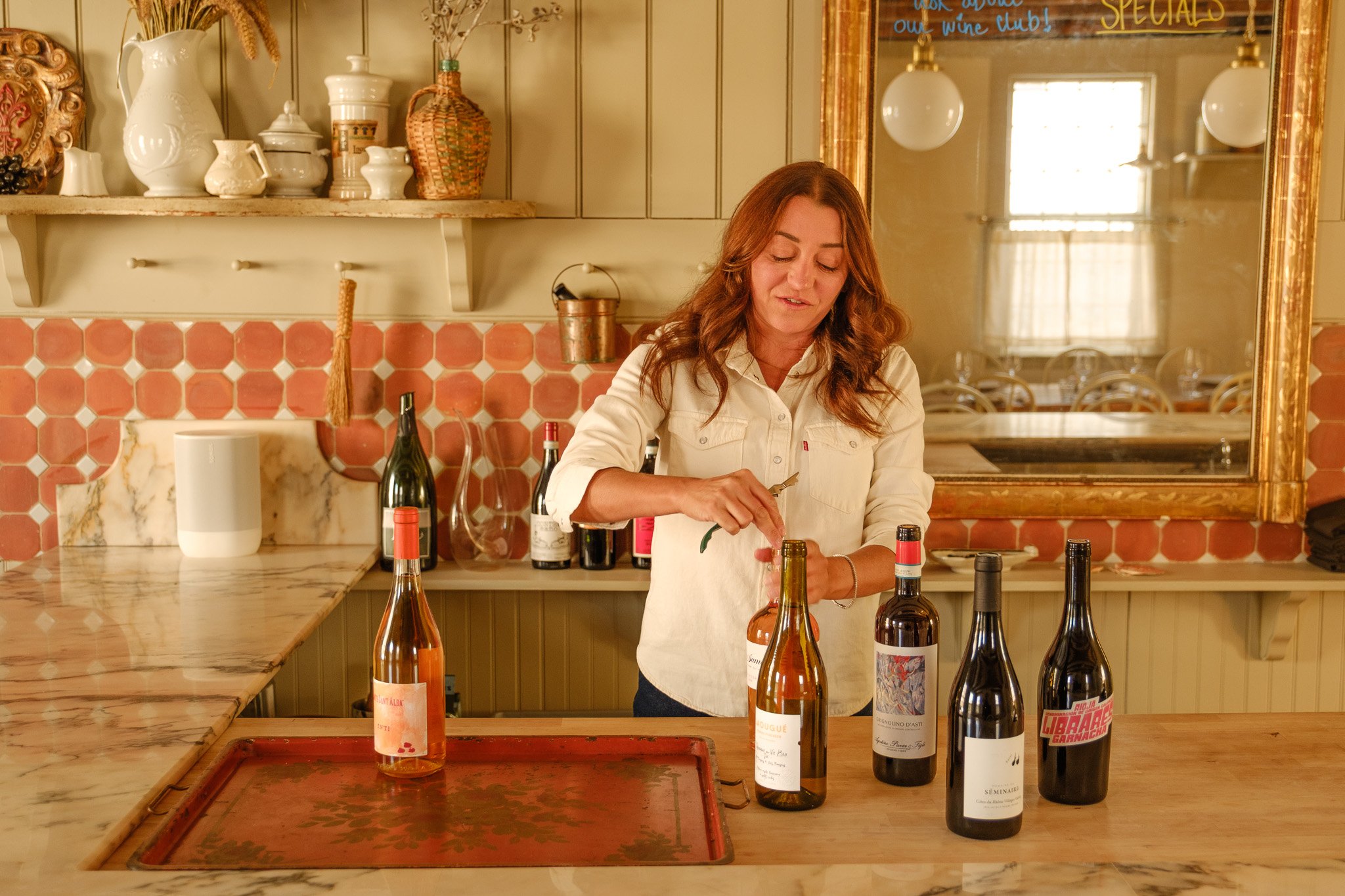
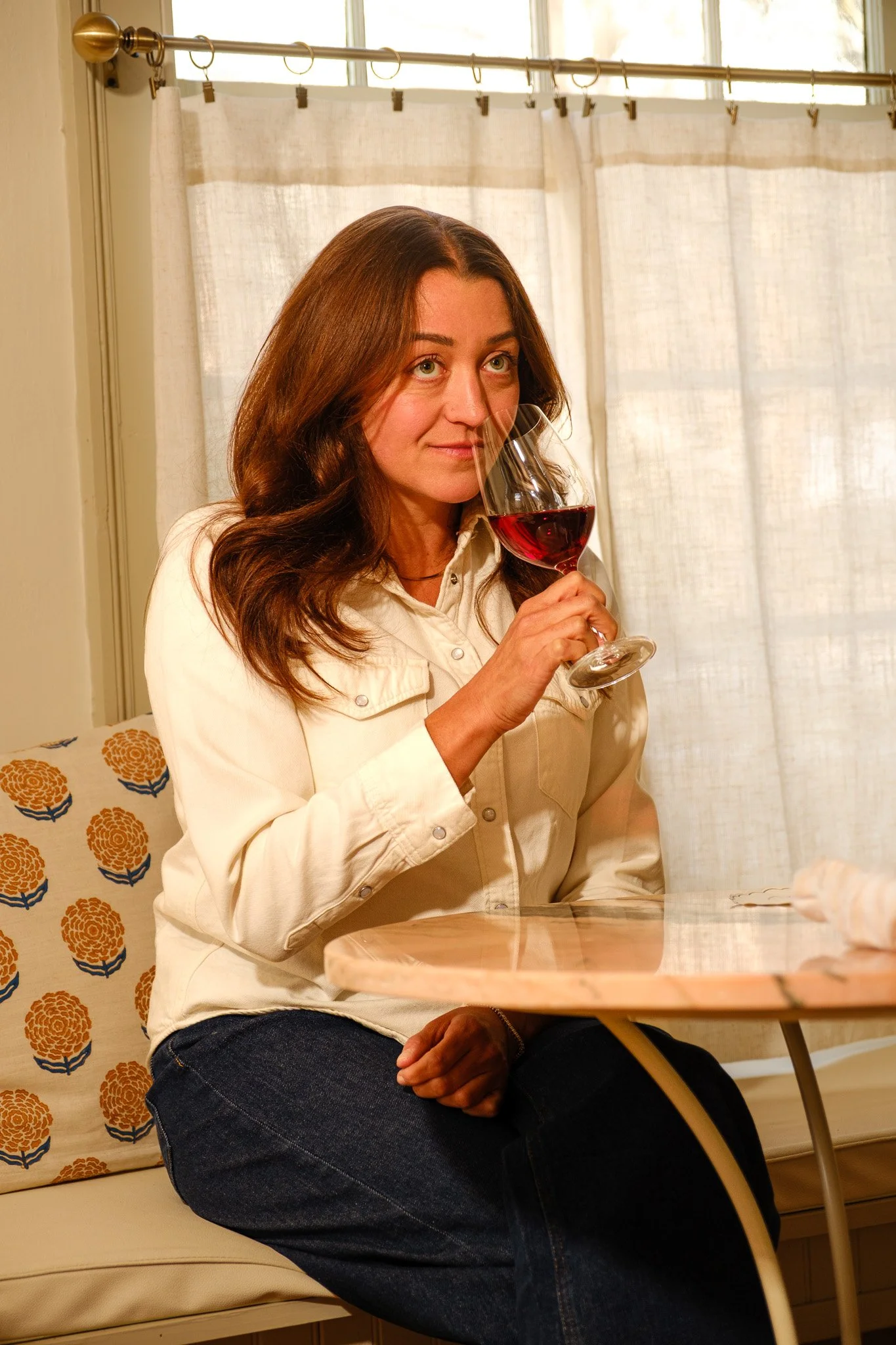
Hillary Zio, sommelier talks about her love of teaching, women in wine, + designing a balanced life on her own terms.
Interview : Susie Davidson Powell
Photos: Victoria Sedefian/The Dishing
Location: Isola Wine Bar, Kinderhook, N.Y.
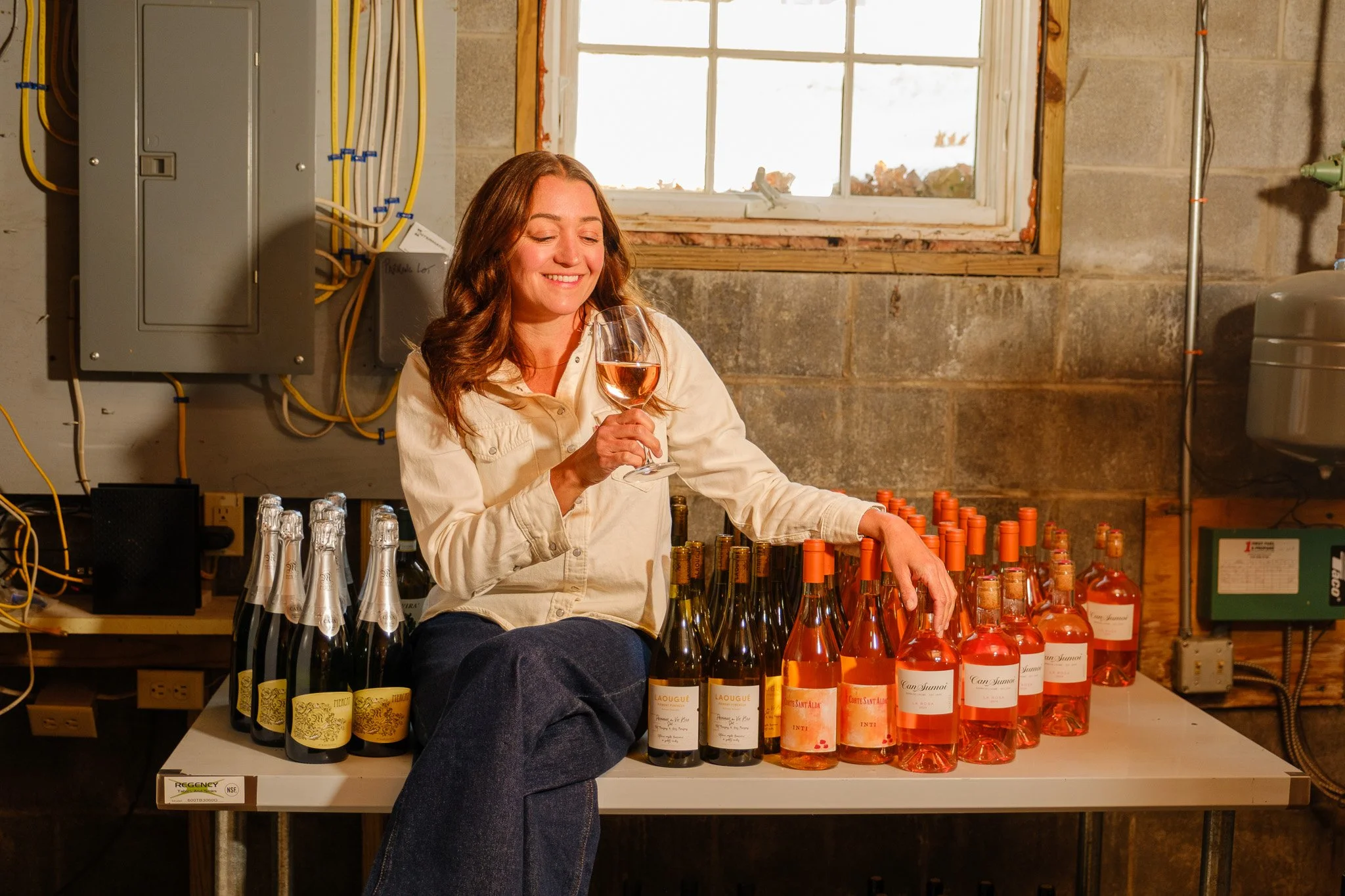
Tastemaker: Hillary Zio | IG: @hillaryzio
Where: Isola Wine Bar | IG: @isolakinderhook
Hometown: Aspen CO
Current city: Kinderhook, NY
Personal style: minimal, high end basics, contemporary design, Blundstones, GAP jeans, Levis button downs, reliable
Listening to: Spanish underground: I put Nu Genea “Bar Mediterraneo” or Disco Sole or Marechia on and generate playlists from that. I also love Emotional Oranges, an L.A.-based band.
Favorite spirit/non-alc: Spindrift
Favorite classic cocktail/non-alc drink: gin martini with a twist
Coffee or tea and what’s your order: iced coffee with oatmilk
Biggest industry influence/inspiration: Dustin Wilson, mentored me in 2012
Drinks industry trend that should end: mixing wine with anything
“Welcome to The Dishing’s tastemaker interviews where we talk matters of taste with hospitality industry professionals and trailblazers at the intersection of food, culture and art. Today we’re talking with Hillary Zio, sommelier, author and owner of Isola Wine Bar in Kinderhook about her her love of wine education, snowboarding + how she’s designed life on her terms.
Hi, Hillary. Thanks for talking with The Dishing! With over 20-years experience in the wine world and a passion for island wines, it feels as if you dreamed Isola into existence. How would you describe the focus and direction of Isola?
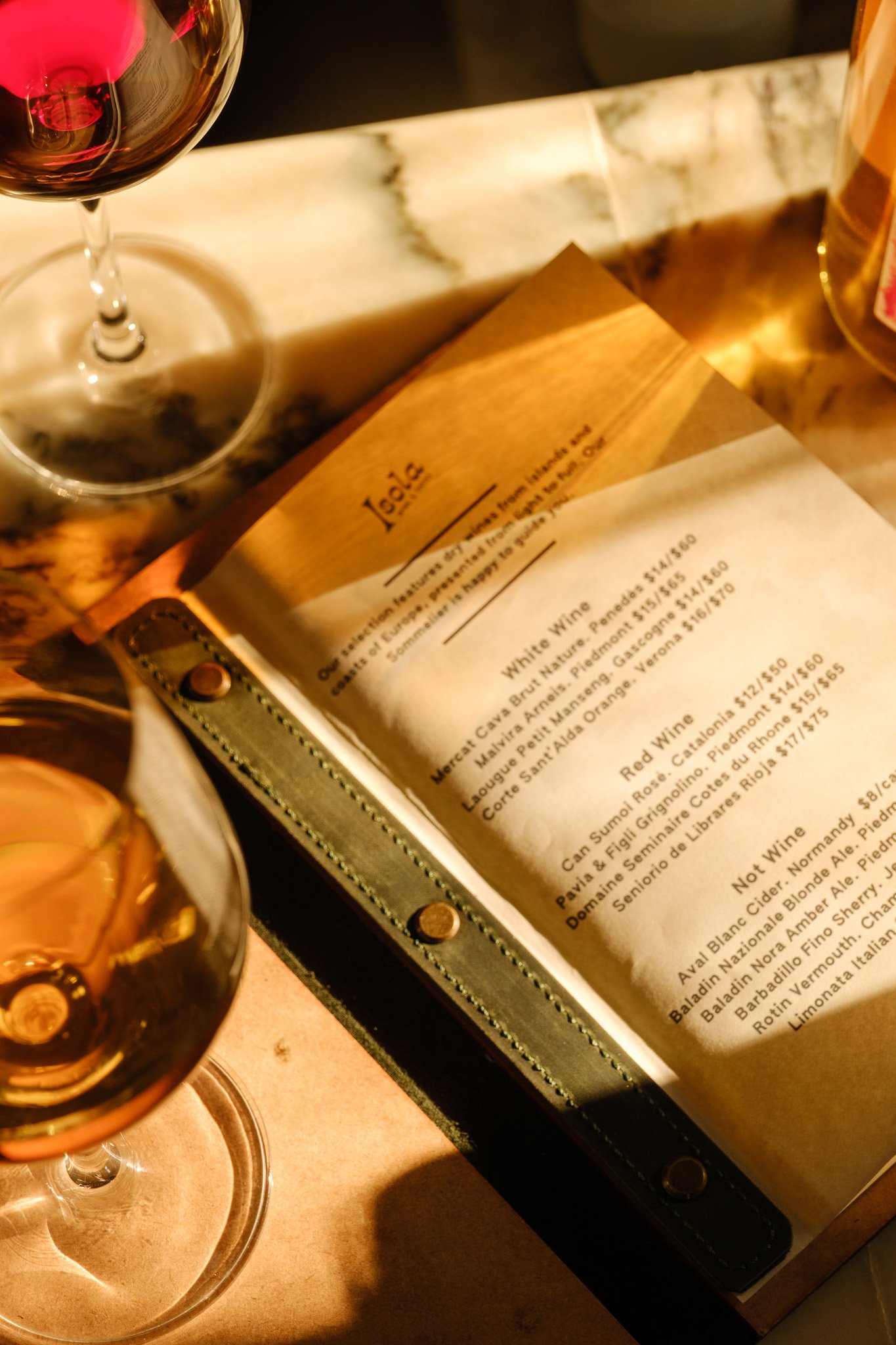
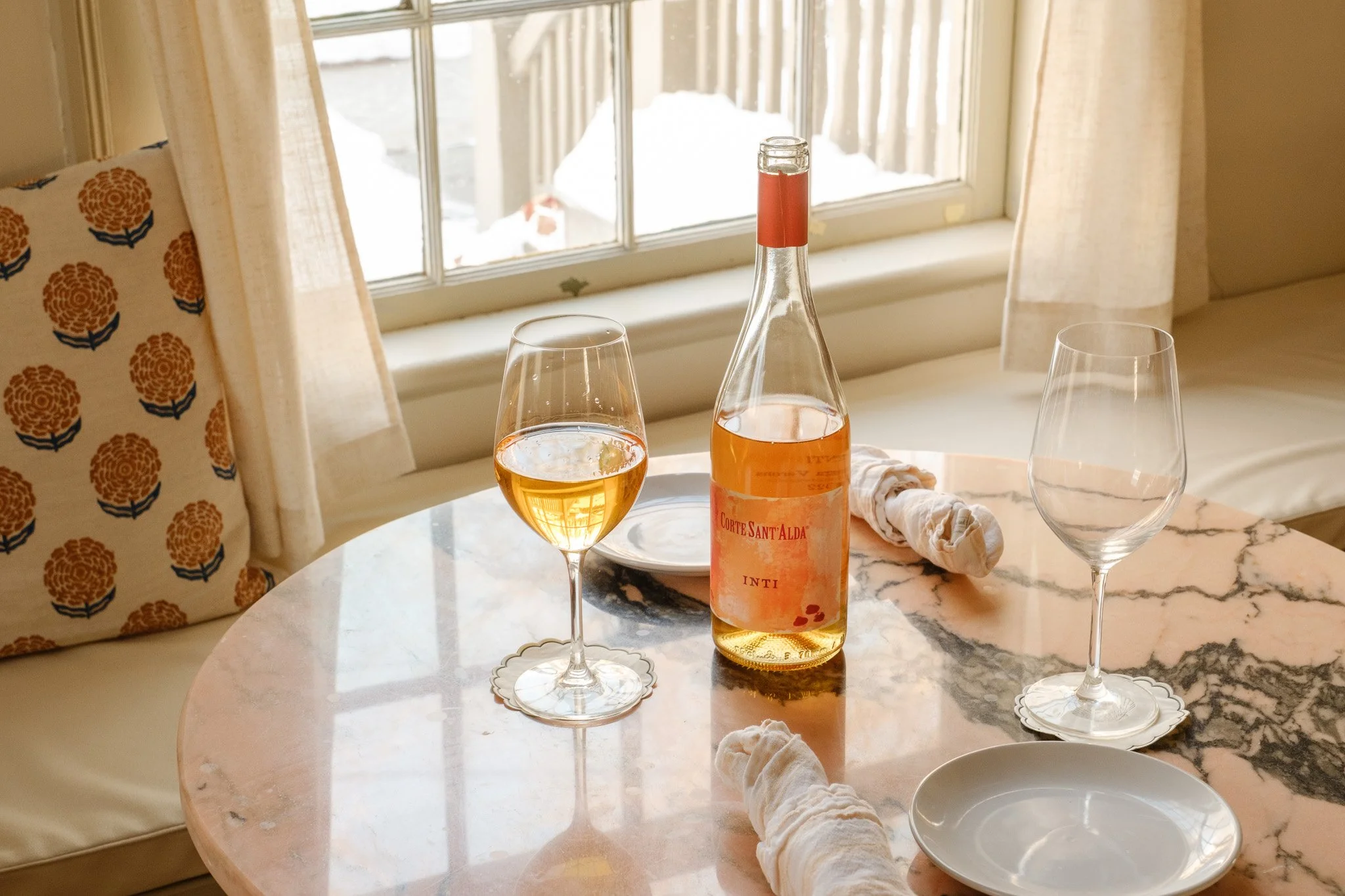
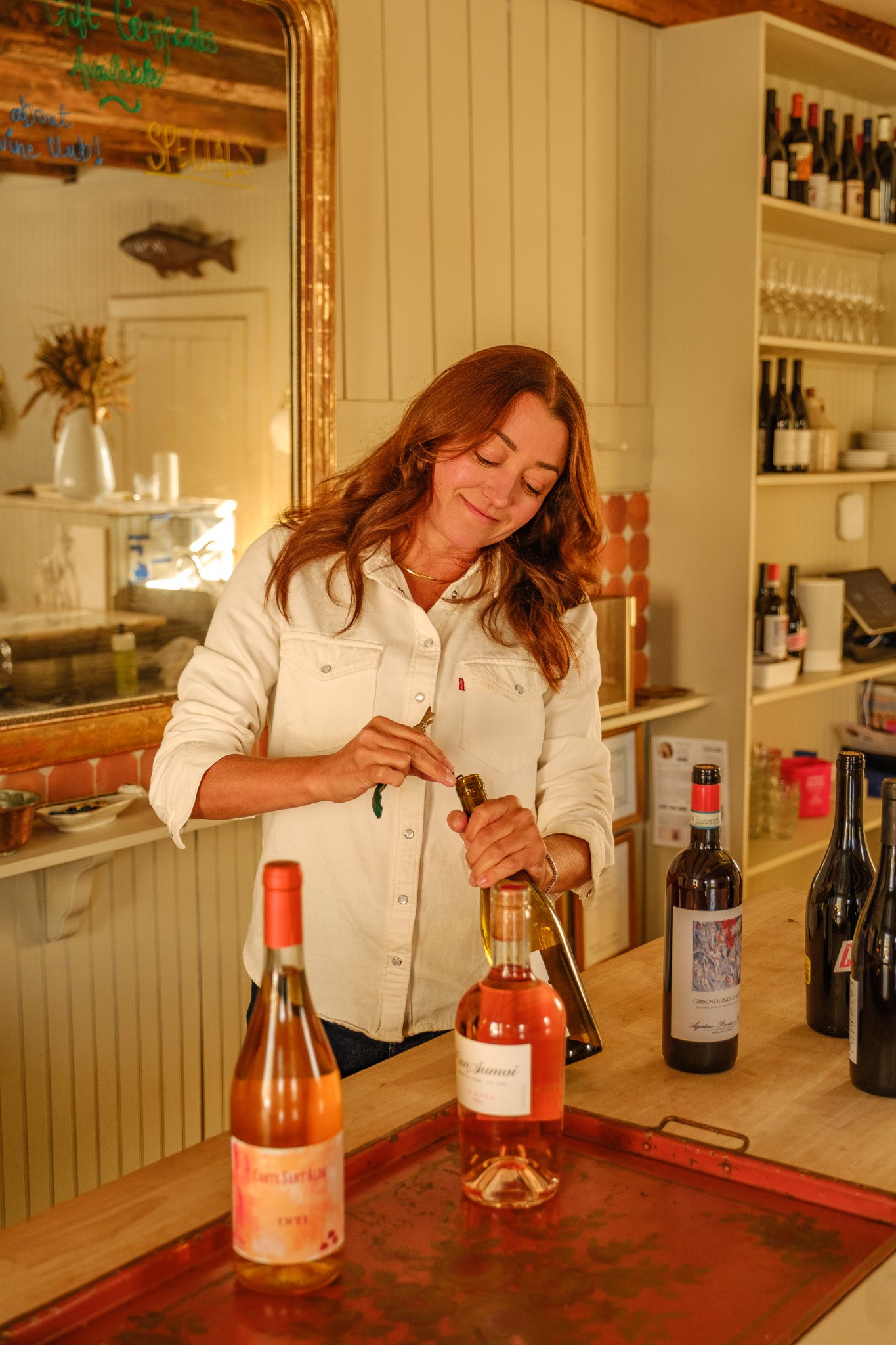
Isola is a coastal European wine bar in the heart of the historic village of Kinderhook. The focus is on small European producers (exclusively from islands and coastal regions) many practicing organic or biodynamic farming. Nothing overworked, nothing heavily manipulated. I’ve always been drawn to wines shaped by altitude, ocean air, and resilience. There’s something about salt, wind, and volcanic soil that creates tension and energy in the glass.
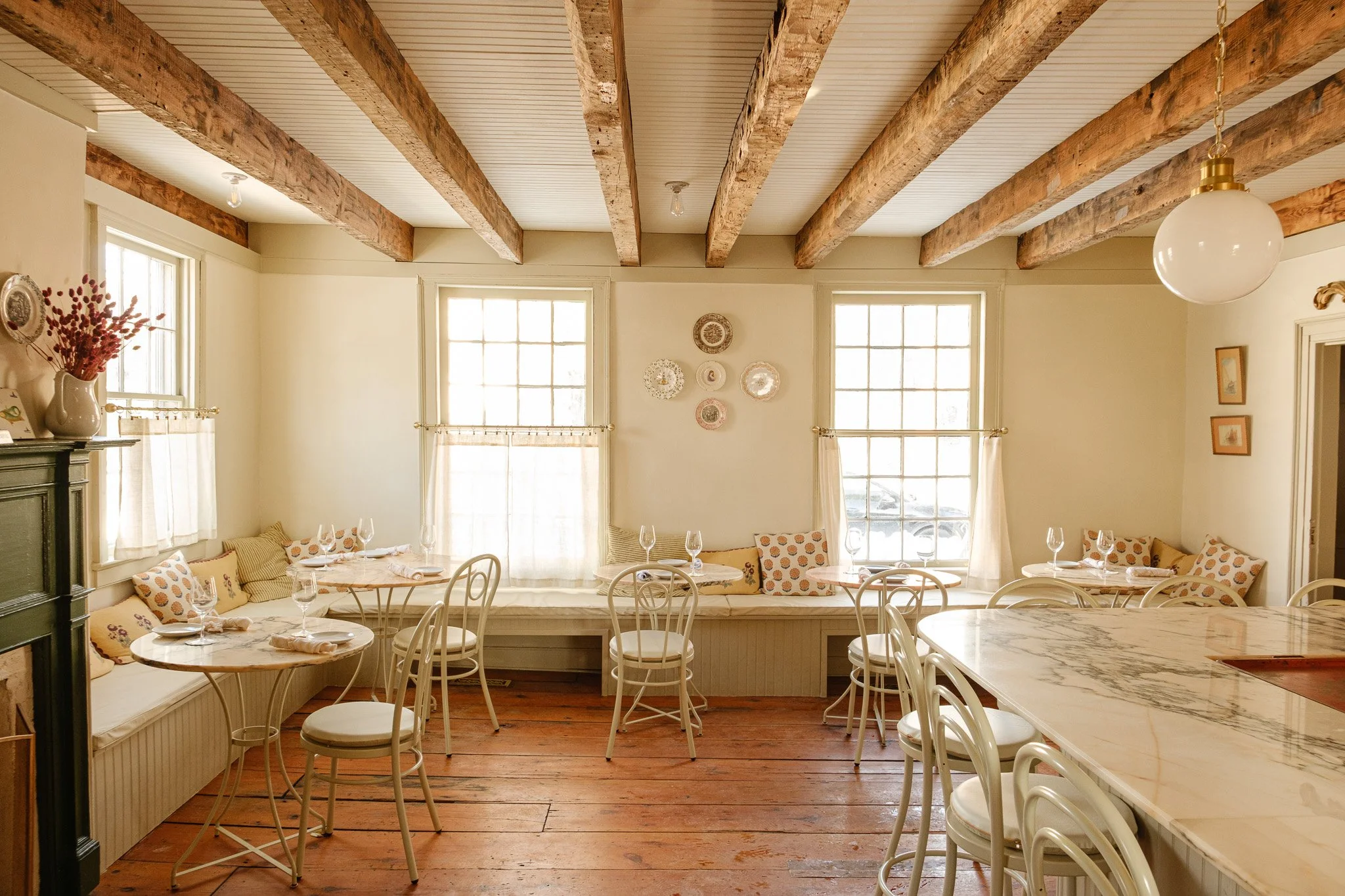
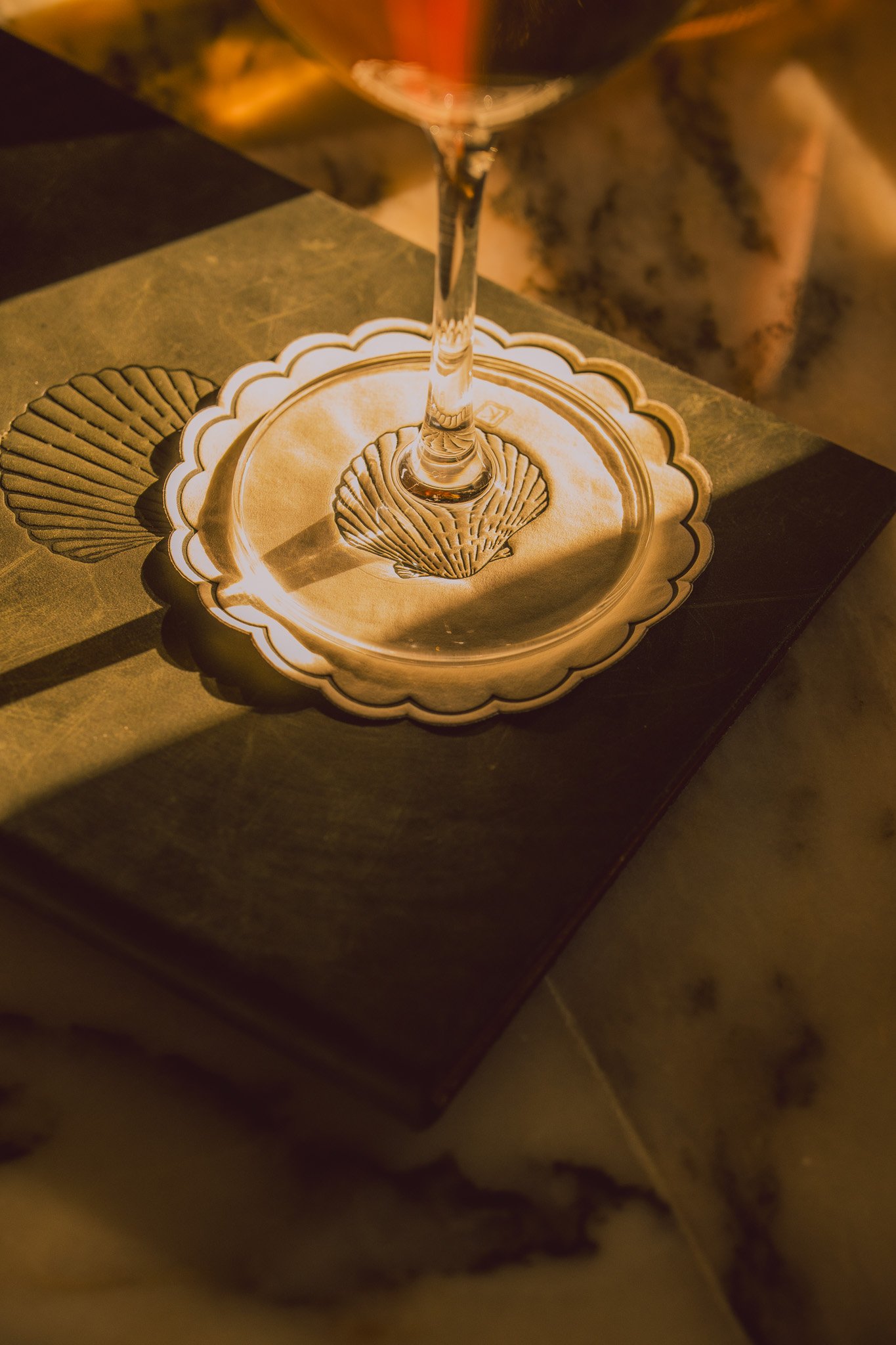
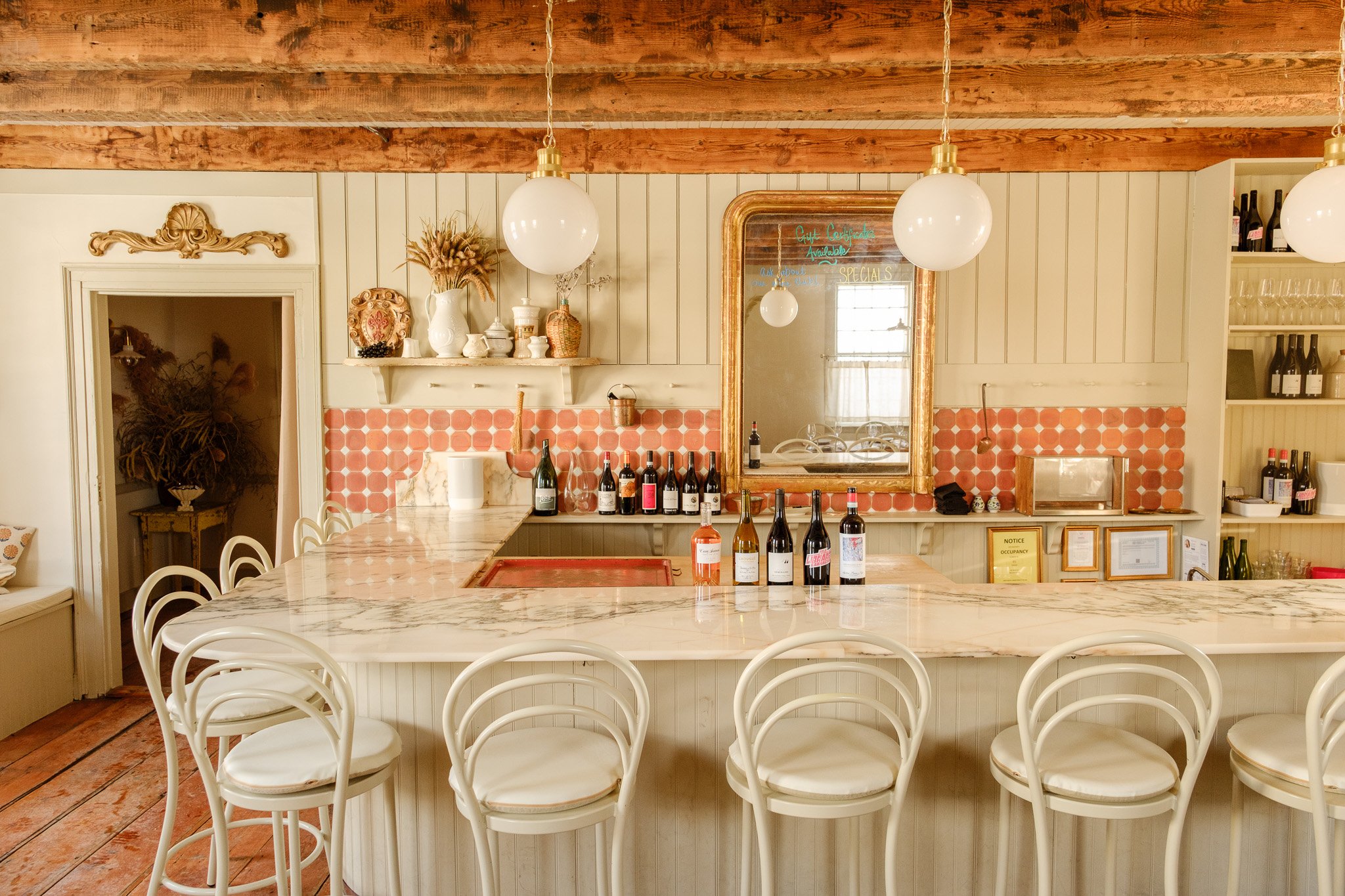
The space itself is intimate but layered. We’re on the first floor of an 1787 building with original wood floors. Cream walls, antique plates, art collected over time — warm and transportive, but never fussy. Kinderhook has its own quiet magic. It’s small, but thoughtful. There’s something beautiful about drinking a volcanic Sicilian Frappato in a tiny American village where everyone knows each other. That contrast is the point.
You opened in 2024 with a founding chef making small plates that paired well with your wine focus? I know you have a new chef on board now. Has that shifted the focus at all?
When we opened, our founding Chef Fernando was Argentinian and came to us from The Maker in Hudson. The menu was very wine-driven: small, delicate plates designed to complement the ocean-side wines that took center stage. (He’s since moved to The Pocketbook as a sous which ties in with his Argentine roots.) Now we have Chef Mikayla Summers who joins us from the Manhattan location of Dan Barber’s Blue Hill. We had met a few times but really our first meeting was when she came into Isola, and then last summer I reached out to her.
The menu has expanded and deepened significantly – it’s still seasonal and European in spirit, but there’s more technique, more range. She changes it constantly (often weekly) and brings the kind of harmony and intention that kept me traveling back to Sicily, Provence, Rome, Barcelona, and Bologna. She’s doing home made pastas, a comte tart; her steak tartare is really inventive with homemade potato chips for crunch on top, and she gardens and uses her kale in the meatballs. She loves to use fish – so there’s trout in the croquetas. The focus hasn’t shifted away from wine at all, it’s matured. The food now stands confidently on its own, which allows the wines to feel even more expressive.
How did you find this beautiful space in Kinderhook? What brought you to town?
I began working in wine in 2011 for Master Sommelier Laura Maniec, and by 2016 I was appraising large private wine collections. During a spontaneous drive upstate, my ex-husband and I saw a building in Hudson and bought it within weeks. It was impulsive and romantic. We ran an Airbnb, fell in love with the Hudson Valley, and eventually landed in Kinderhook when my father-in-law purchased this building. There were no leases attached, and I immediately asked if I could open a restaurant in the space. The village felt intact, not overdeveloped, not trying too hard. When 16 Hudson Street became available, I knew it was the one. It had history and bones. Buying it recently wasn’t about real estate, it was about committing to the long game.
You have a really interesting background in wine from appraising wine collections to recently creating your own online wine course. What made you develop an online wine course and does it work in concert with your wine club?
I’ve always loved teaching. During the pandemic, I realized how many people felt intimidated by wine. So I created an online course — Wine Expert in 30 Days — to demystify it. It’s 14 video lessons led by me with a quiz after each. You could take it all in a few days or over a couple of weeks. It’s based off what I think is the most important thing to know about each grape, country, or region, for your own knowledge of wine. Wine is a huge world out there so this breaks down the most important parts in my mind. It’s more about getting a foundation using popular regions and grapes, so you can expand your knowledge from there. Tasting is totally subjective. It’s great to have a foundation and then explore.
And yes, the course absolutely works in concert with the wine club. The club ships six bottles quarterly from small European coastal producers. The course gives people the language and confidence to understand what’s in their glass. Really, I’m not trying to create sommeliers; I’m trying to create confident drinkers.
What does a typical week look like for you?
There isn’t one! [laughs] I run the bar, curate the list, teach classes, manage the building, help my tenants, handle marketing, and raise my daughter. Some days I’m in spreadsheets; some days I’m teaching about volcanic soil types; some nights I’m washing napkins at midnight. Hospitality looks glamorous from the outside — but from the inside, it’s logistics. And the last three months have been so different since I bought the building because before it was focused around fun ideas for events and tastings. I’m still doing that but I’m doing so many more pieces that there are many more logistics and bills. I built an apartment upstairs in the last month adding electric and patching walls and I just rented it. So when I’m finally going into the bar and talking to people about wine after a not so creative of a day, I’m so happy and uplifted by people praising what I’m doing and being appreciative of what I’m building here.
Your wine classes are very popular. What is it about teaching that appeals so much to you?
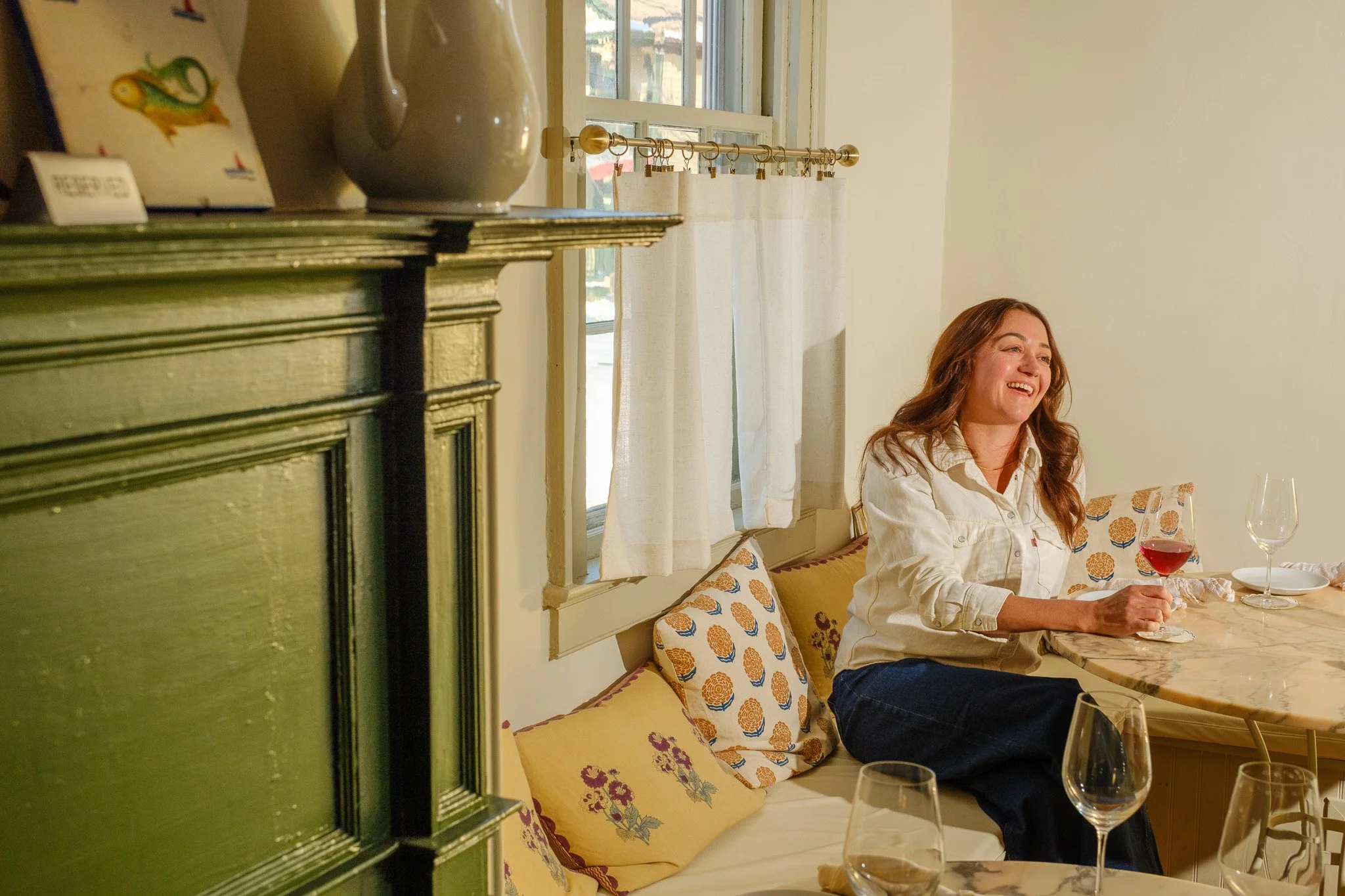
Teaching is where I feel most myself. I taught for years at NY Vintners in Tribeca and still teach corporate classes for groups of 30 to 200 in NYC and Albany. What I love most is watching the shift: when someone realizes they’re allowed to have an opinion. Wine has been gatekept for a long time. I enjoy breaking that down. If someone leaves feeling empowered instead of intimidated, I’ve done my job.
I think during the pandemic, you wrote your book. Had that been in the works for a while or was the timing just right?
I actually wrote the book earlier, in 2016. At the time, there wasn’t a clear guide for navigating a career in the wine industry. I had worked in wineries, restaurants, retail shops, for a distributor, appraised collections, and traveled as a wine writer and content creator. So I wanted to share what I had learned, from earning certifications (if that path even makes sense for you) to what each role actually looks like day-to-day. It’s the book I wish I had starting out. It’s called The Unfiltered Guide to Working in Wine. In the beginning it’s where to study, and then how to explore where you might want to work whether in wineries, shops, restaurants, as a distributor, or appraising collections. It’s a guide book. It’s based on my career in New York City. Obviously, it’s 10 years old now so the social media part is not totally up to date. But, like, it gives people a real perspective on what it’s really like working in each area.
When did you finally decide you wanted to open a wine bar?
I’d wanted to open one for years, but after living in NYC for over a decade, I didn’t love the late-night lifestyle. I didn’t want to close at 3 a.m. So I sort of found it later in life…when my child was a little older. I wanted autonomy… and a space that reflected my palate and values. We’re intentionally open from 5 to 9 p.m. It’s focused. It’s not indulgent chaos. It’s meant to feel like a date night worth remembering.
At Isola, you purposefully curate a small wine list with boutique, small batch producers that changes weekly. What drives your selections and what are a few wines you’ve been really happy to introduce people to?
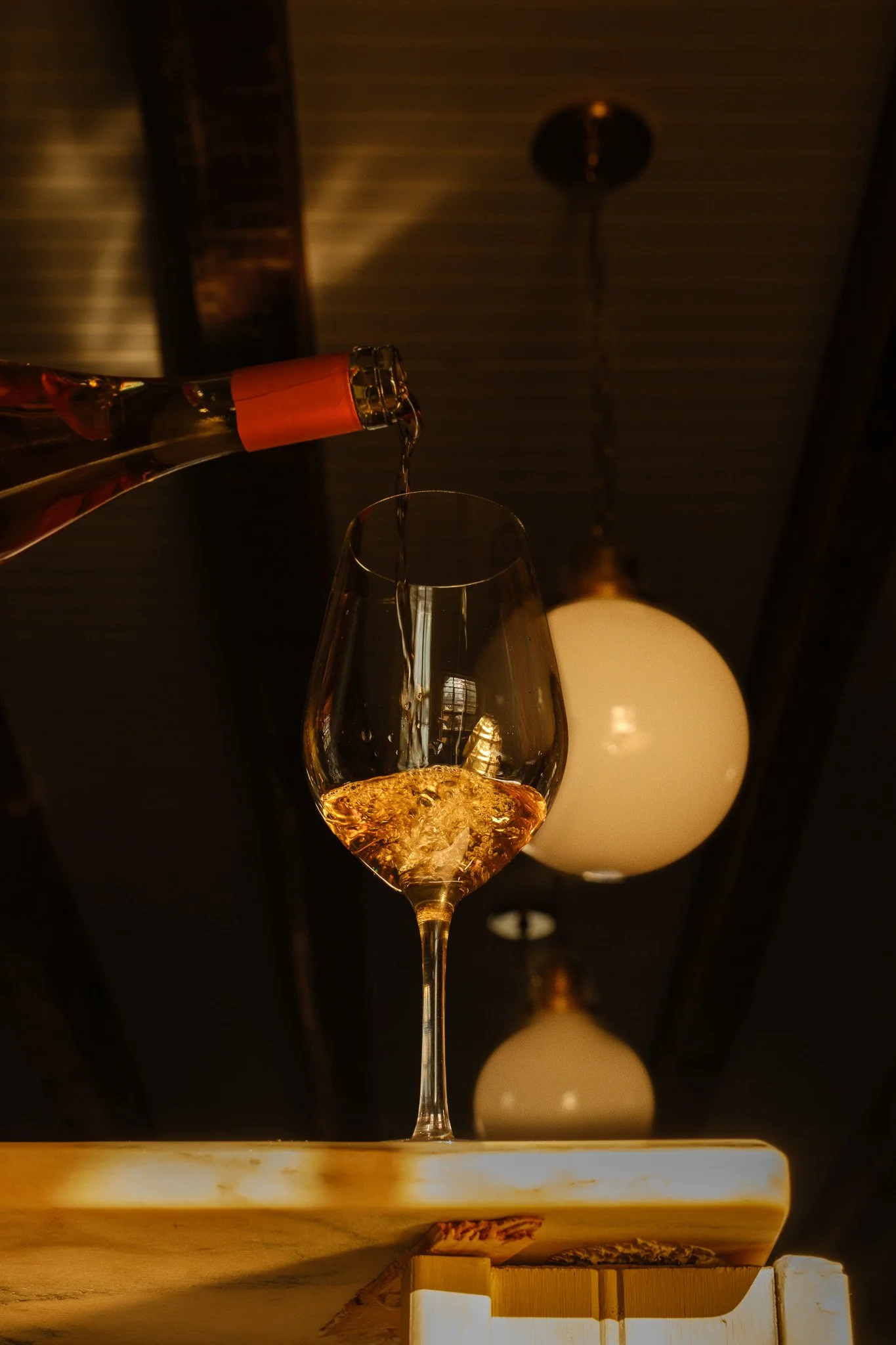
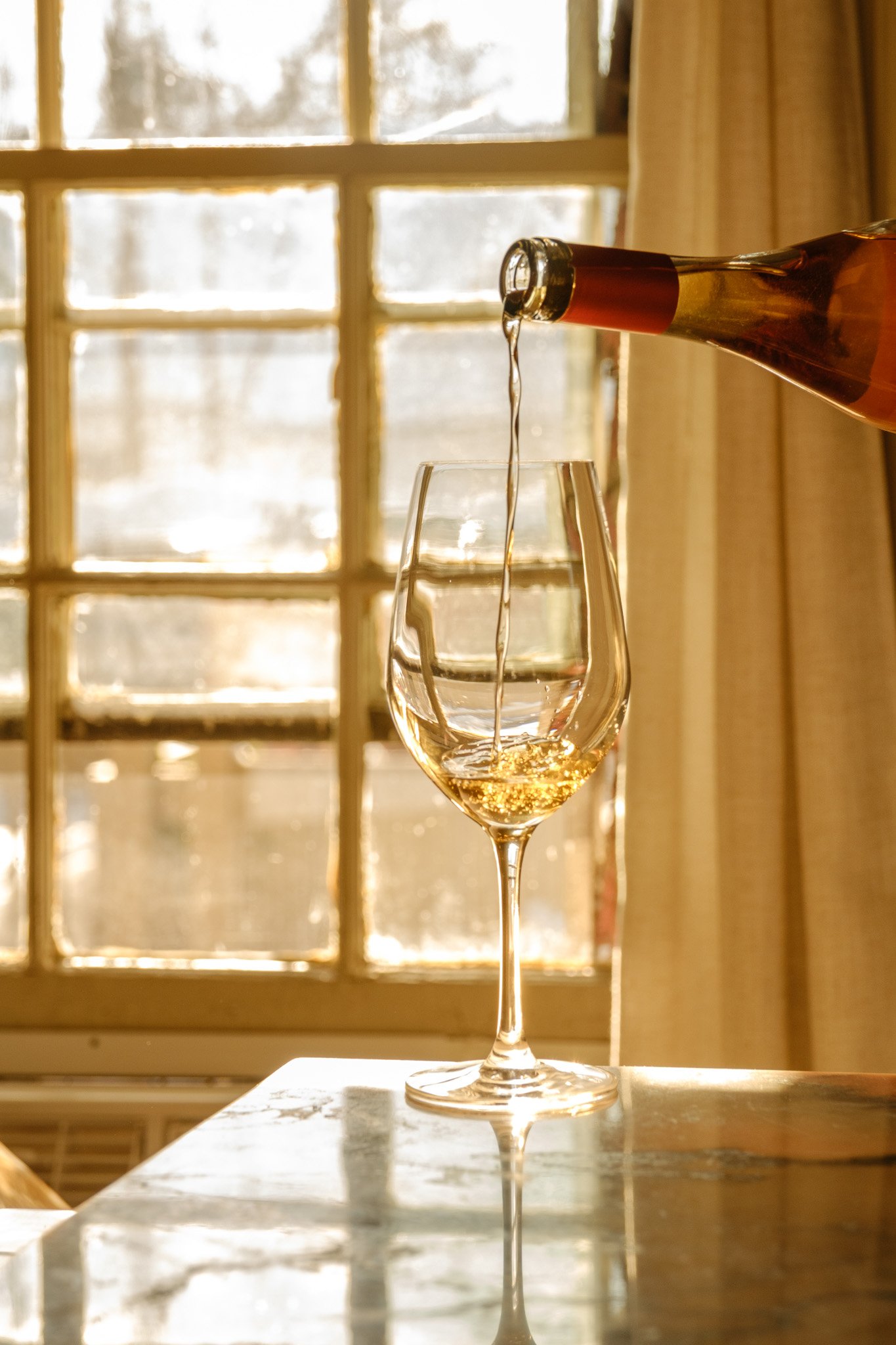
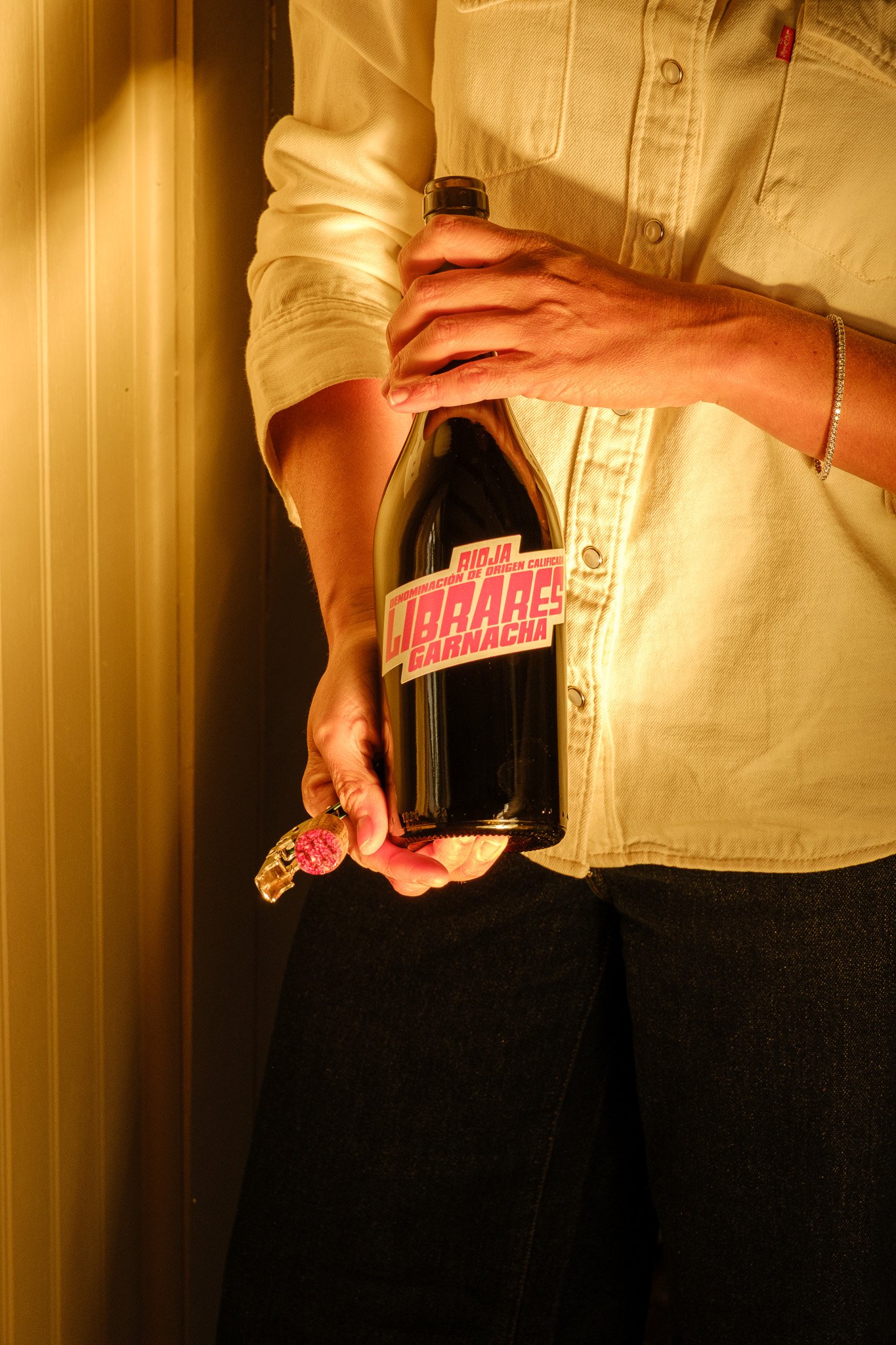
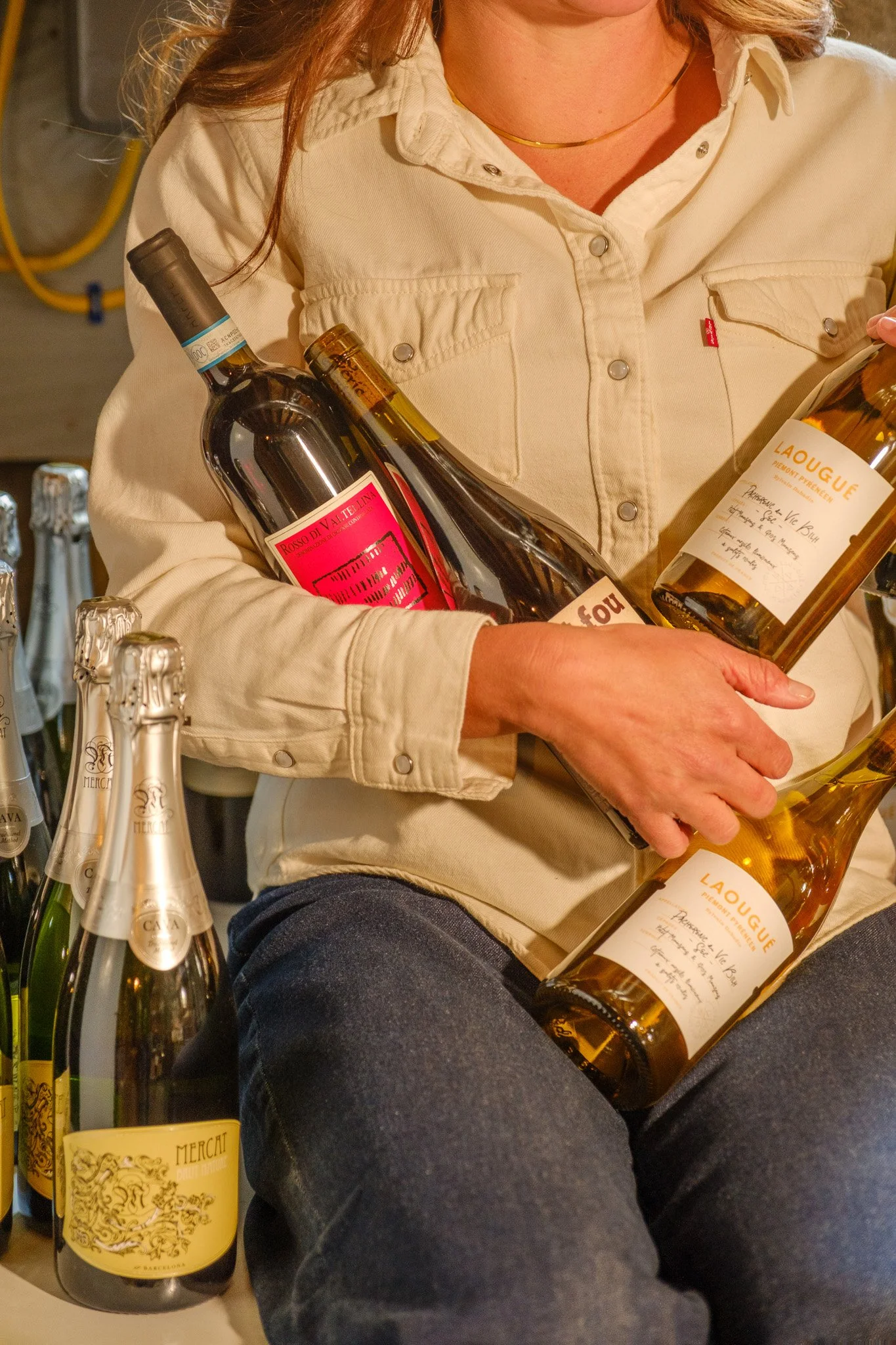
I choose wines that feel honest, small growers, often organic or biodynamic, typically coastal or island-driven. I’m drawn to minerality and saline tension: whites from Sicily, the Canary Islands, Greece. I love introducing people to Arneis from Piedmont — such a crowd pleaser with depth and texture. I also love showing modern renditions from traditional regions, like an all-Garnacha Rioja. Not your typical Tempranillo aged in American oak. Climate is shifting. We can’t expect the same varietals from the same places to taste the way they did even ten years ago. That evolution is fascinating to me.
I know you recently bought your building — congrats! — and you are trying to utilize the space efficiently in creative ways to drive income and business. What’s your overall vision and do you see yourself staying in Kinderhook long term?
Buying the building was about permanence. We’ve added a private event space, leased upstairs to an aesthetician, and I’m working on a 16-person co-working space upstairs. I’m exploring ways to activate the building during the day, not just at night. Kinderhook is small, but I believe in small towns and revitalizing main streets thoughtfully. I see myself here for the next decade.
You’re originally from Colorado where you were into competitive snowboarding. We’ve had so much snow this winter… do you take advantage of living in the north east?
Not as much as I did! I’ll go out on Tuesday this week — it’s so much fun and it reminds me of my past and my childhood and high school.
Given all the moving parts of your life with Isola, classes, your wine club, and raising your daughter, how do you maintain a good work/life balance? We know a lot about burnout in the hospitality industry. What do you do to relax or prioritize your physical and mental health?
Balance is routine, sleep, and sustaining the routine. I work out pretty much every day. I’m only open 4 hours a day – our hours are 5–9 p.m. which has proven ideal. We can focus all our energy on delivering a beautiful dinner experience instead of stretching ourselves thin. And I usually leave at 9 p.m. on the dot. Keeping that schedule sustained is really important. I’m never going to open Sunday, Monday and Tuesday. It’s not going to happen. Those are the days I’m with my kid and I protect that time. And I don’t offer brunch. I won’t run what I used to call “the hydration station” of coffee, water, mimosas, and Bloody Marys. I honestly don’t know how brunch places do it.
I’m focused on creating a memorable evening. Sustainability, personally and professionally, matters more than growth for growth’s sake. Besides, Americans don’t really drink before 5 p.m. But in Europe or Montreal they do. So there are lunch somms, but here my role in talking about wine, educating about wine, is limited to the dinner hours.
Wine is still a male-dominated industry on the production and distribution side, although there are incredible women winemakers raising the bar. Have you experienced any push back during your career?
Absolutely. As a very young woman working in restaurants, I definitely experienced both sexism and ageism. I was already a certified sommelier and had attained my advanced certificate with WSET before I even started working at Corkbuzz when I was only 23- or 24-years old. So it was really more ageism, because there was an attitude of “you’re too young to know… I drank a bottle of wine older than you last night!” Being underestimated is exhausting, but it can also be fuel. You learn not to take it personally. People see only a sliver of who you are professionally. I do consciously support women winemakers when I can. There are extraordinary women making serious wine.
We have seen a significant downturn in people drinking alcohol and it’s often reported that Gen Z is drinking less wine. What do you see as the future direction of the bar or wine industry?
People are drinking less, but drinking better. That doesn’t scare me. The future isn’t volume. It’s intention. Smaller lists, thoughtful producers, experience over excess. Gen Z isn’t anti-wine. They’re anti-inauthenticity. The industry will need transparency, sustainability, and education. I think that’s healthy. From 20 years ago, back then they didn’t care what they were drinking – now younger people are caring more about what they drink. So they are free to venture out of Barolo or Bordeaux, and on to lesser known regions.
We don’t really have anyone asking for non-alc wines. They might ask more generally for non-alc options so I carry Italian sodas, because it’s really aligned with what Isola is. I think about if I were in Sardinia or Bologna, would I have a non-alc wine on the menu? I think about that question with just about everything from the menu to the forks.
On a solo day off, or with friends visiting town, where would you go for breakfast, lunch or dinner?
Quinnie’s. (Ghent) Their chicken salad sandwich is addictive. I love Feast & Floret in Hudson. They have great meatballs and arancini and great pasta too. Oh, and Albany Ale & Oyster (Albany) We’ll go for lunch and share oysters and lobster rolls.
Imagine your own ideal day or night out. If you could go anywhere with no limits on costs or reservations, where would you go and how would your day or night unfold?
Morning swim in the Mediterranean. Long lunch with too many courses. Afternoon nap. Sunset bottle of red with people I love. No rush. No phone. I’ve been to over 50 countries so it’s not just one place – it could be Madeira, Canary Islands, Sicily, Greece where I could have a similar experience. Tons of whole fish and the wines have that salty minerality…
If your time on earth was up, what would be your last call wine and why?
A perfectly stored bottle of vintage Champagne. Krug Champagne ages so incredibly, so maybe a 30-year old? Because it’s both a celebration and reflection. It tastes like time. I’d also want chicken liver mousse and many slices of raw salmon!
Thanks for talking with The Dishing. We’re looking forward to seeing Isola’s classes grow and collaborating on an upcoming Snacky Hour soon! Meanwhile, people can visit your events page for upcoming classes and dinners.