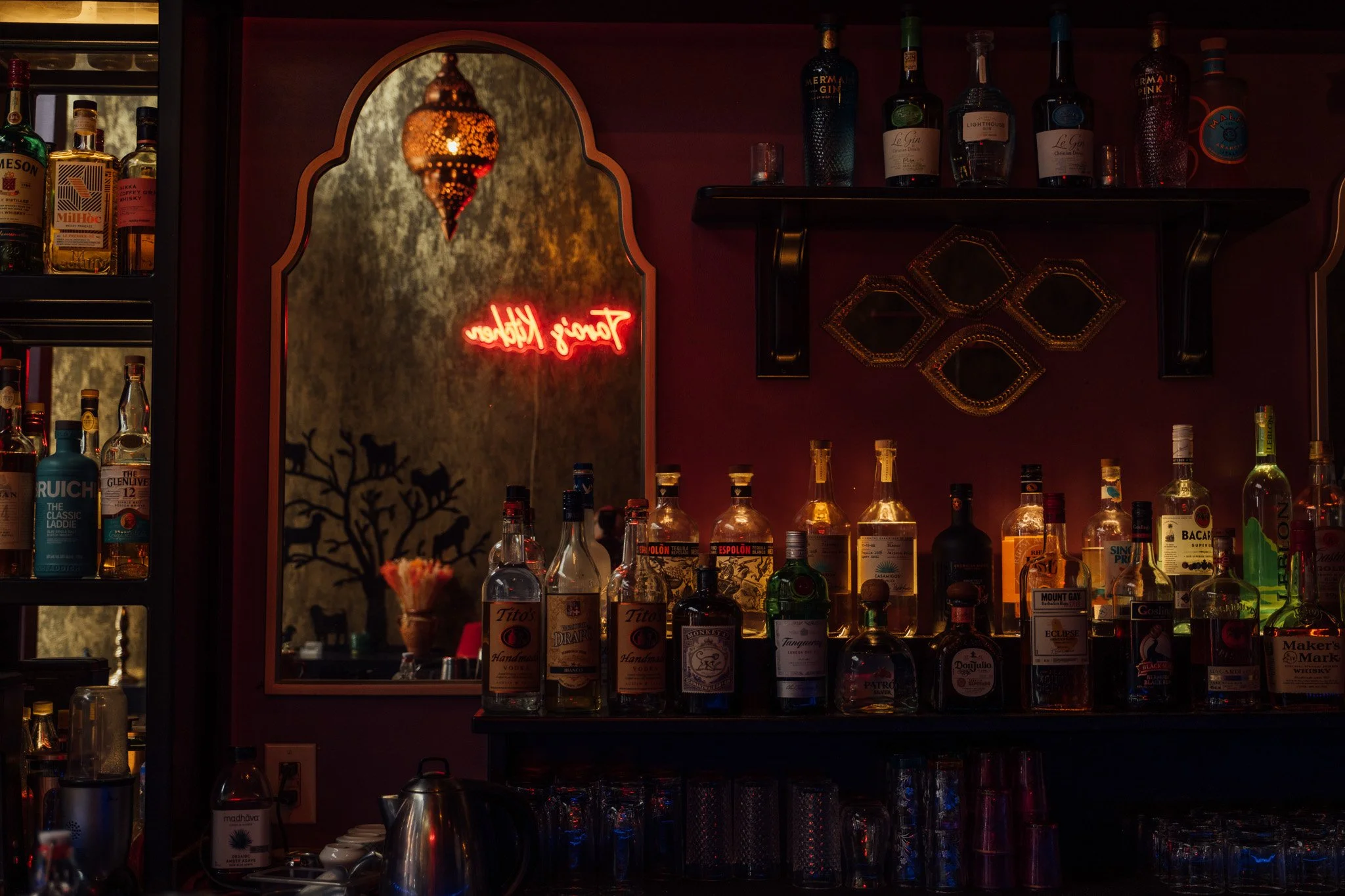
MEET CHEF-RESTAURATEUR CHEF ANEESA WAHEED, TARA KITCHEN
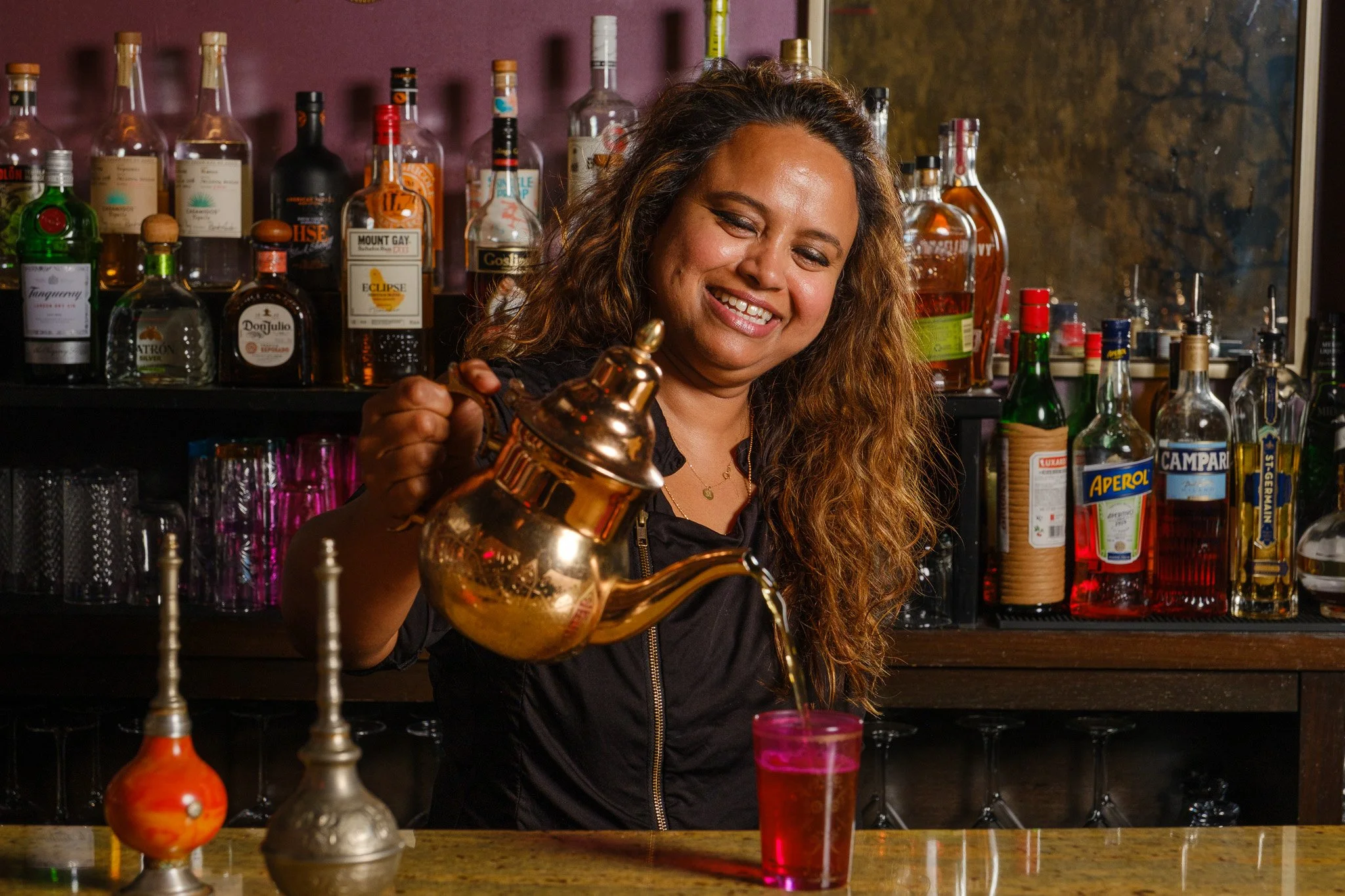
Chef Aneesa Waheed wants you to know she’s lazy, but talks to us about business pivots, moving to Manhattan + the love story that led to her Tara Kitchen career.
Interview: Susie Davidson Powell
Photos: Victoria Sedefian
Shoot location: Tara Kitchen, Tribeca, New York City
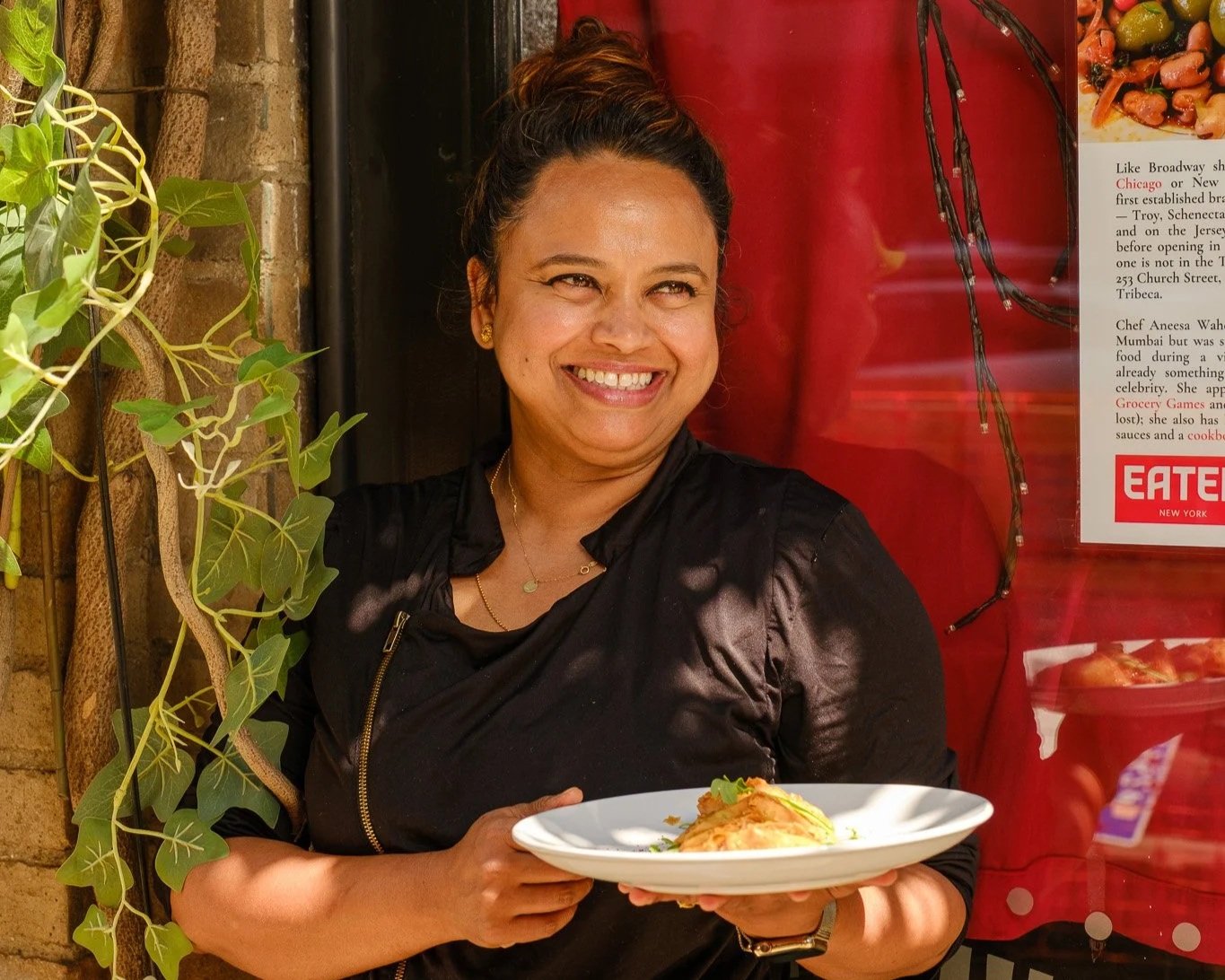
Tastemaker: Chef/Restaurateur Aneesa Waheed
Restaurant: Tara Kitchen
Hometown: Niskayuna, NY
Current city: New York, NY
Personal style: Casual
Listening to: Atif Aslam
Favorite spirit: Vodka
Favorite classic cocktail (or non alc): Dirty Martini
Favorite restaurant or bar ever: Auggies in the west village
Biggest industry influence: Tom Collichio
Industry trend that should end: Pretentious food
The Dishing talks with tastemakers in the hospitality industry + trailblazers at the intersection of food, culture + art. Today we’re talking with Chef Aneesa Waheed, owner of Tara Kitchen with three locations in the Capital Region, as Hyderabad, India, and Tribeca in Manhattan. Aneesa talks business pivots, the love story that started Tara Kitchen, relocating the family to Manhattan + her guilty pleasure unwinding with reality TV.
Thanks for talking with The Dishing! Aneesa, you’re well known as a chef-restaurateur in the Capital Region but, now your whole family is living in NYC, your daughters are enrolled in a Manhattan high school, you have a restaurant in Tribeca, and you’re closing of two of your three locations upstate. Does this feel like the next chapter?
AW: Absolutely. I’m constantly evolving as a person and rethinking how I want to work, and naturally that shapes the decisions we make in business. But family comes first. When Zoya started high school, her initial experience made us rethink where we wanted to be for this stage of our daughters’ lives. After a lot of discussion as a family, we decided New York City was the right place for the girls to finish high school and for Muntasim and me to begin a new professional chapter. That also means consolidating parts of the business so I can give this next phase the attention it deserves.
You pivoted from an early career in graphic design (Quad Graphics) + magazine publishing (Rosie O’Donnell, Time and Latina magazine) to a culinary career, starting at farmers markets before opening your first brick-and-mortar Tara Kitchen in Schenectady. That was followed by Troy, Guilderland and Wildwood, NJ—which you later closed— before expanding internationally with a Tara Kitchen in Hyderabad, India. It seems you have an easy ability to pivot; do you see yourself a businesswoman first or a chef? And with that, what’s your approach to business growth and adaptation?
AW: Well, when you put it all together, it does sound like I have an uncanny ability to pivot! But honestly, it comes from being very clear about what I want my life to look like. As counterintuitive as it sounds, I’m incredibly lazy—I’m constantly looking for ways to work smarter, reduce unnecessary workload and become more financially secure.
I’m also not afraid to fail. If something isn’t working, I don’t feel obligated to keep doing it simply because I started it. Change doesn’t scare me. I’d rather learn, adjust and redirect my energy toward something that makes more sense.
Also, the biggest thing for me right now is that I’m becoming much more intentional about what I say yes to. For years, growth meant another restaurant, another location, another project. I don’t necessarily define growth that way anymore. I’m interested in doing work that has an impact—whether that’s Tara Kitchen in New York City, catering, culinary travel, working with schools and communities, or advocating for small businesses. I’m less interested in having the biggest footprint and much more interested in building a life and body of work that I actually enjoy.
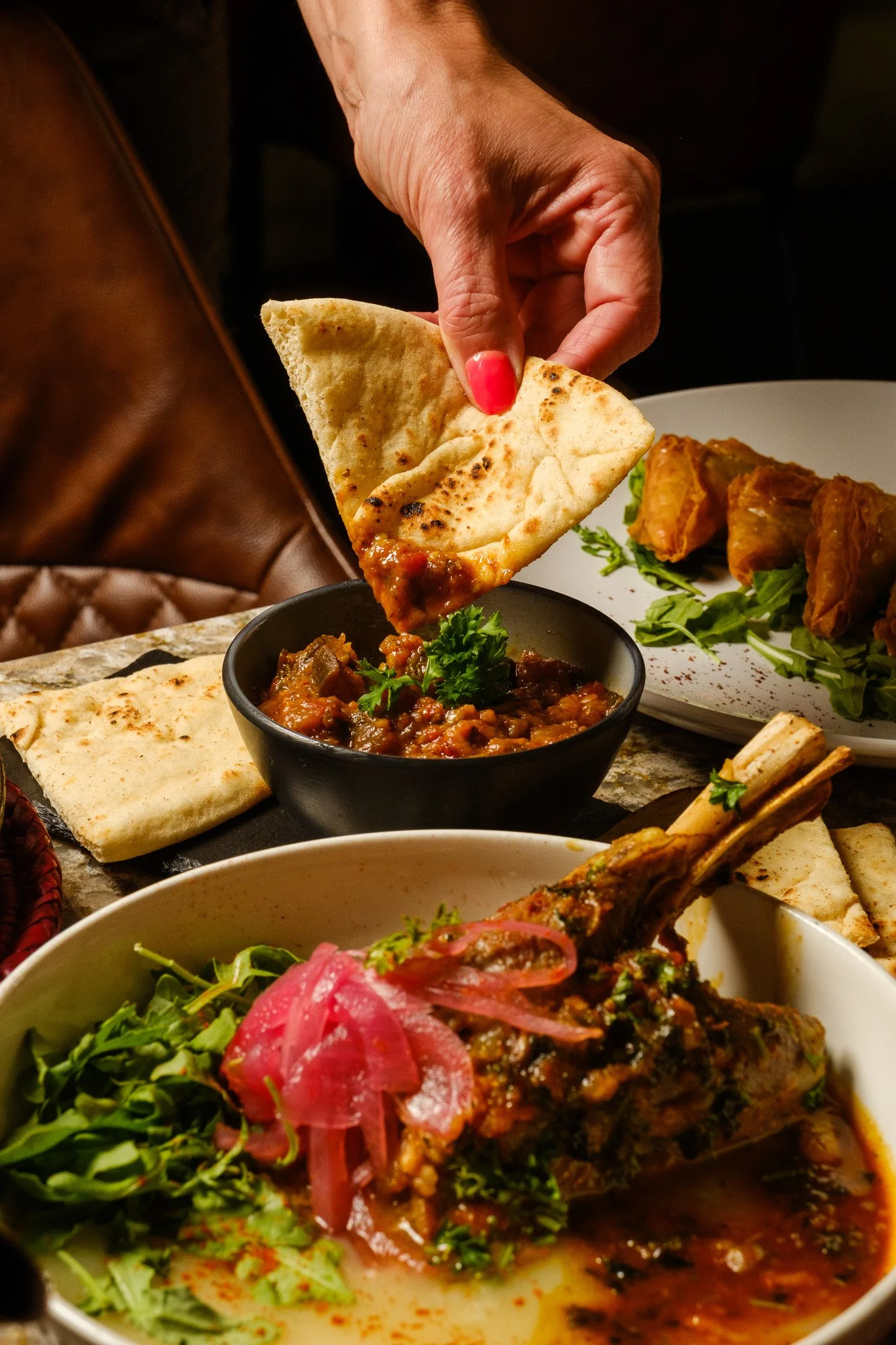
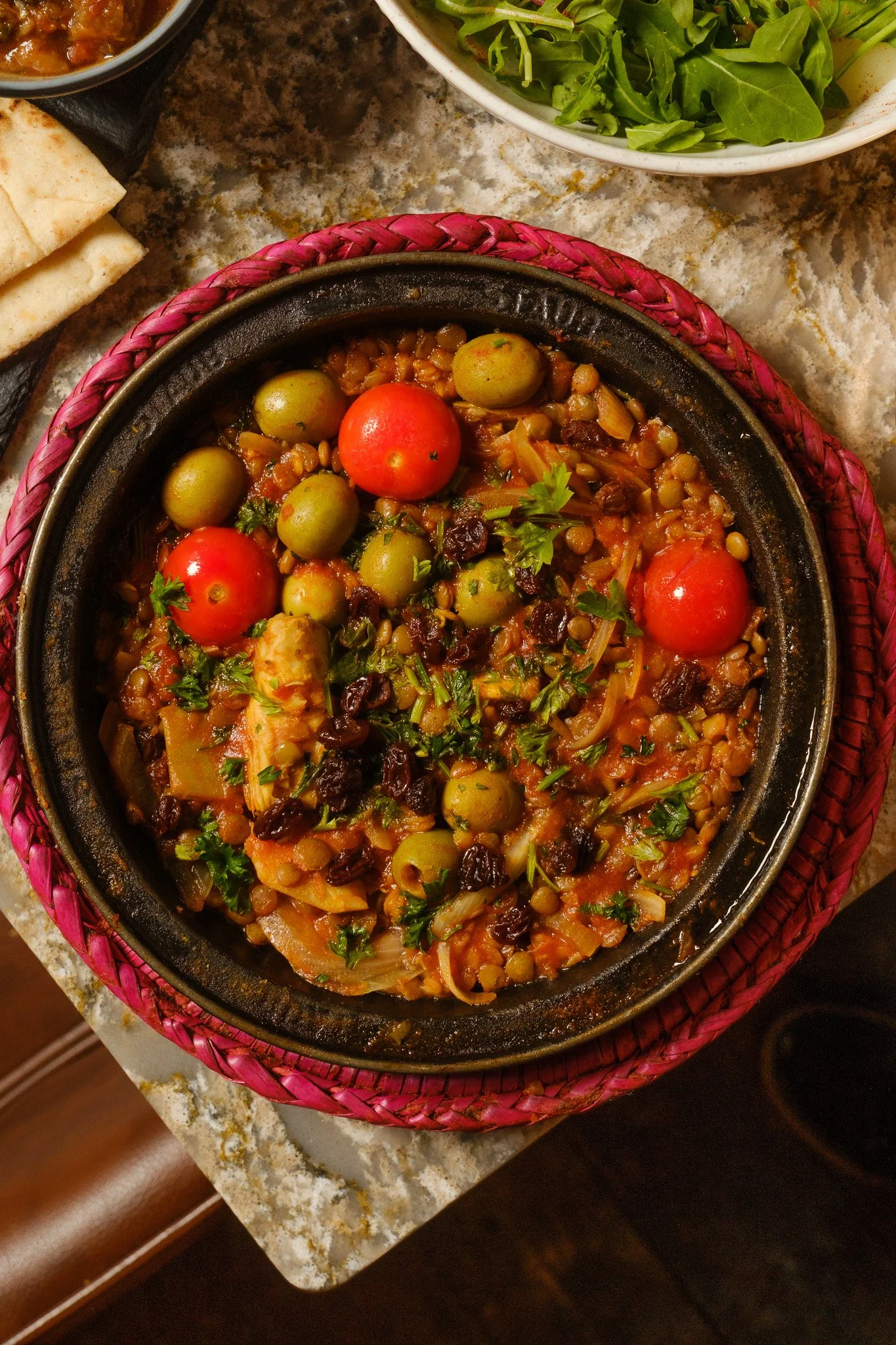
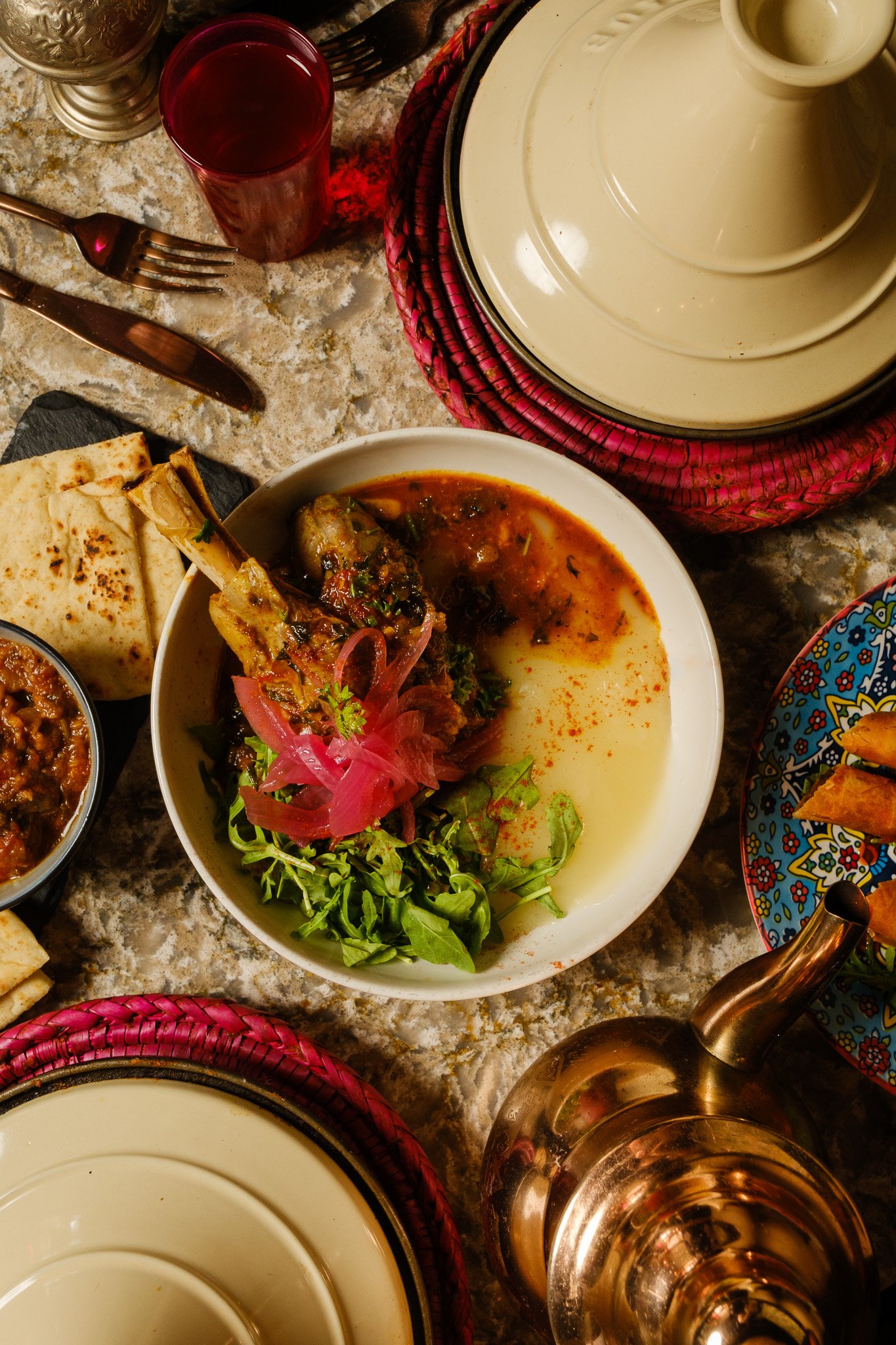
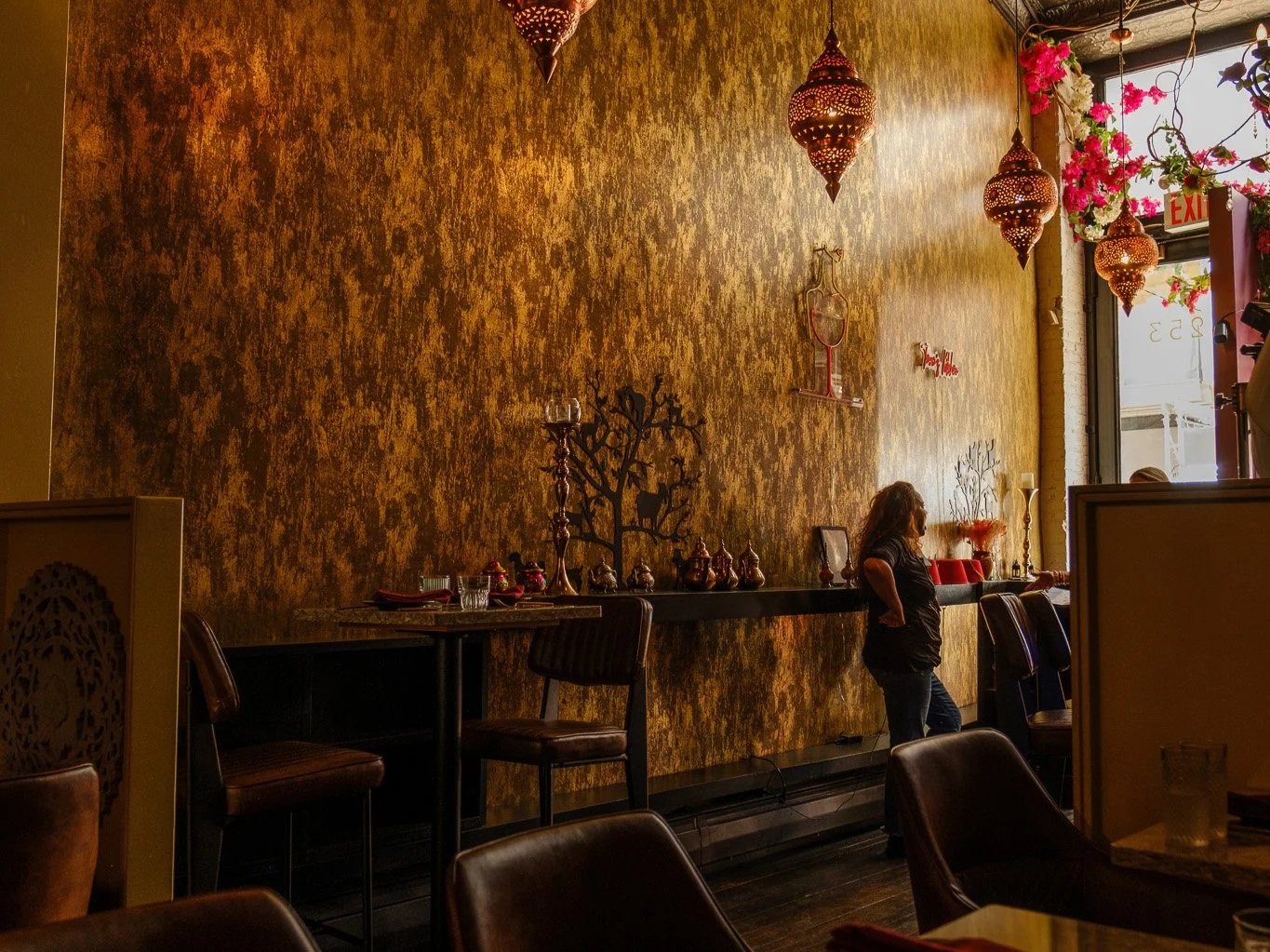
After opening Tara Kitchen in Tribeca, you received a glowing review from Robert Sietsema for Eater.com, but during our shoot you said this location “slaps you around every day.” Given all your experience, what’s different about running Tara Kitchen in Manhattan?
AW: Manhattan is a BEAST. The competition is insane, customers have extremely high expectations, and the daily logistics of operating a restaurant here are incredibly demanding. The pressure is constant and there’s very little room for error—although, like every restaurateur, I still make plenty of them! At the same time, that pressure forces you to get better. You have to stay sharp, listen to your guests and constantly evaluate what is and isn’t working.
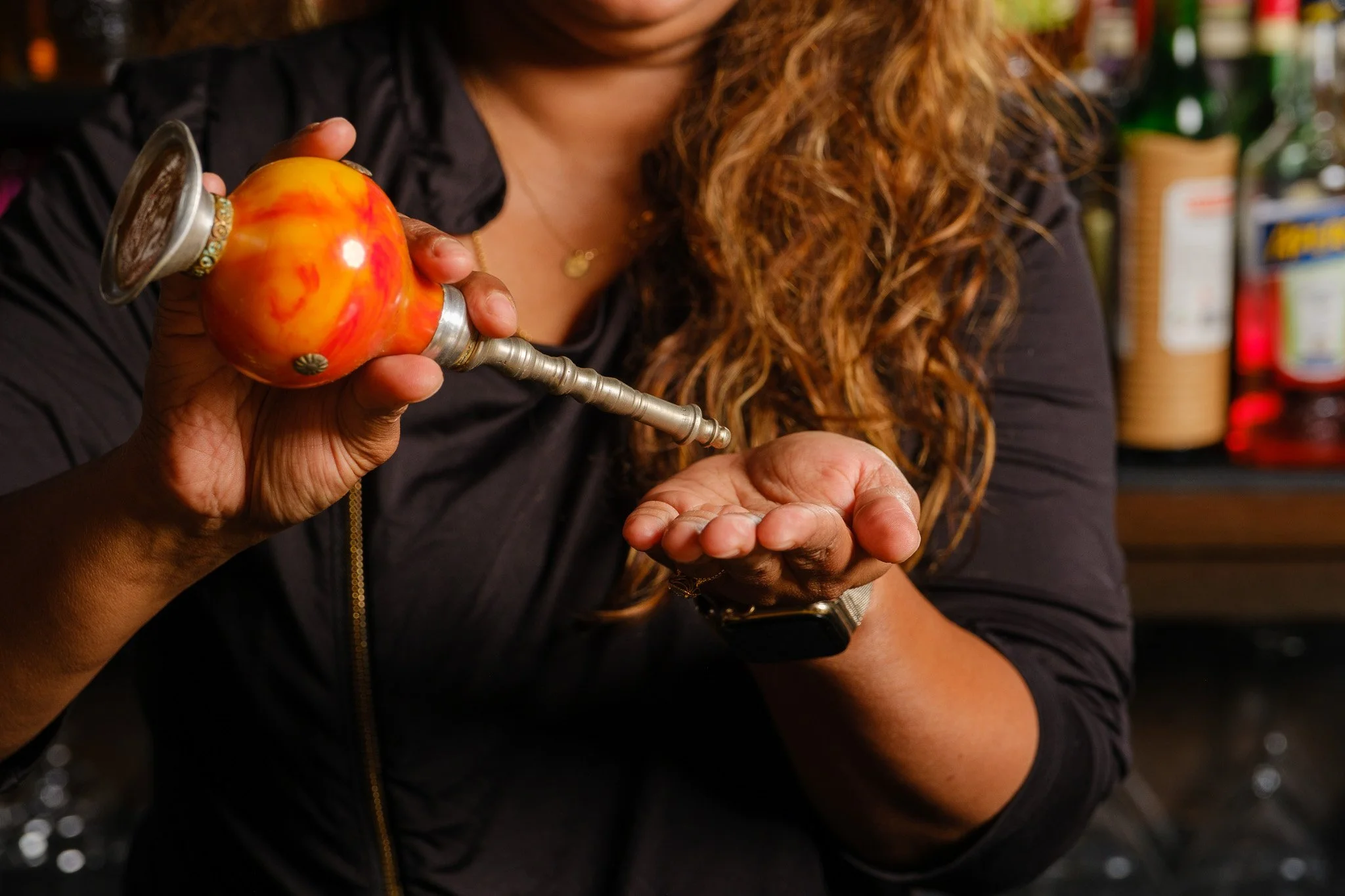
Moroccan hospitality is famously welcoming. Servers bring out long-spouted pitchers (messhellout) with fragrant oils and there’s the welcoming ritual of Moroccan tea. How do you manage to familiarize guests with some of these traditions + introduce Moroccan dishes to people who may not know the cuisine?
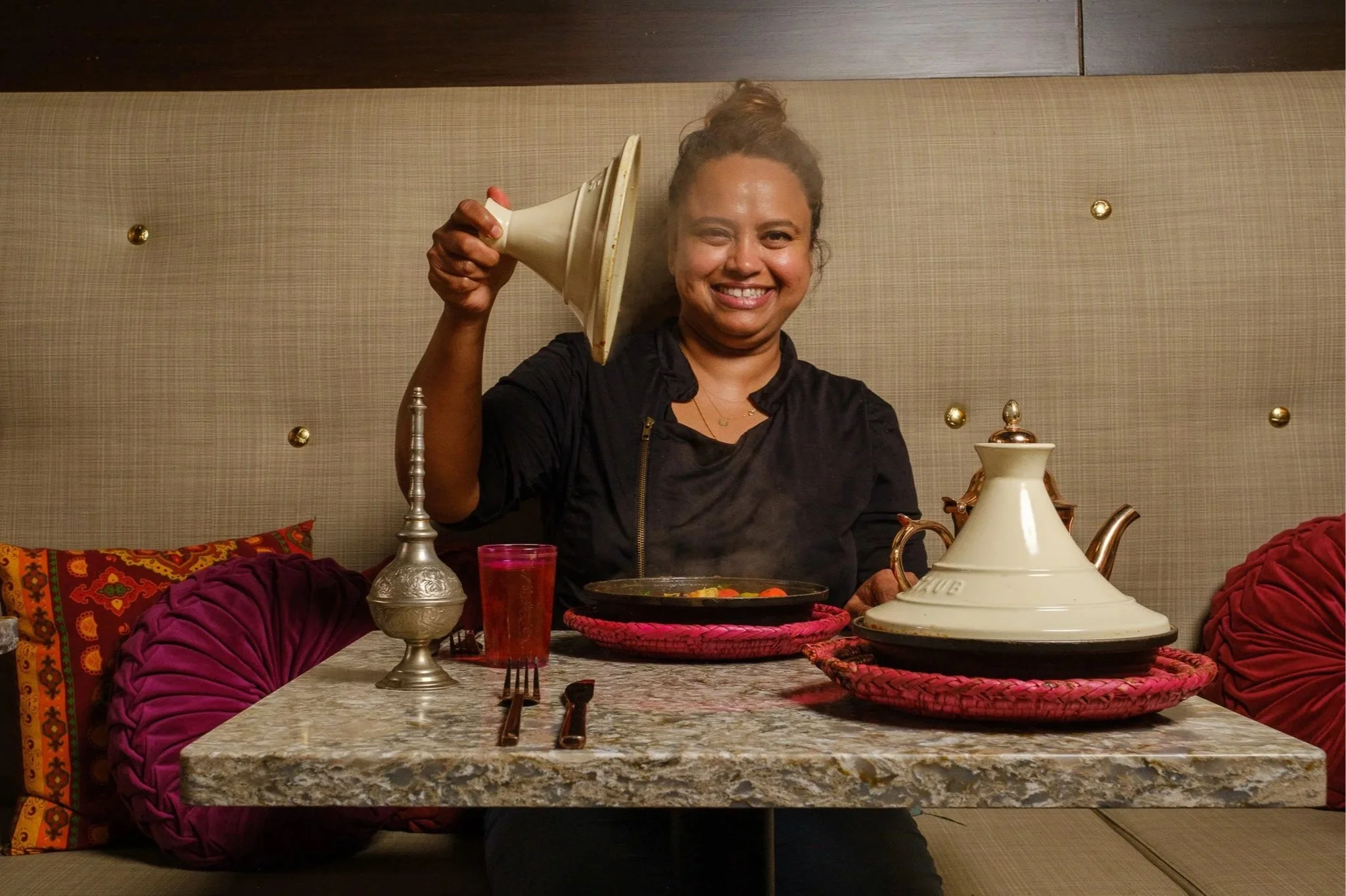
AW: Hospitality is huge in Morocco, but I think that spirit exists in cultures all over the world. My own philosophy is very simple: I want guests to feel as though they are dining in my home. The food, the tea service, washing a guest’s hands with fragrant water and the way we serve the table all naturally lend themselves to that feeling.
When I wrote our first menu, I used many of the Arabic names for dishes. Over time, I realized that could sometimes create an unnecessary barrier for guests unfamiliar with Moroccan food. So we simplified the descriptions and focused more on ingredients and cooking techniques. I want the food to feel interesting, but never intimidating.
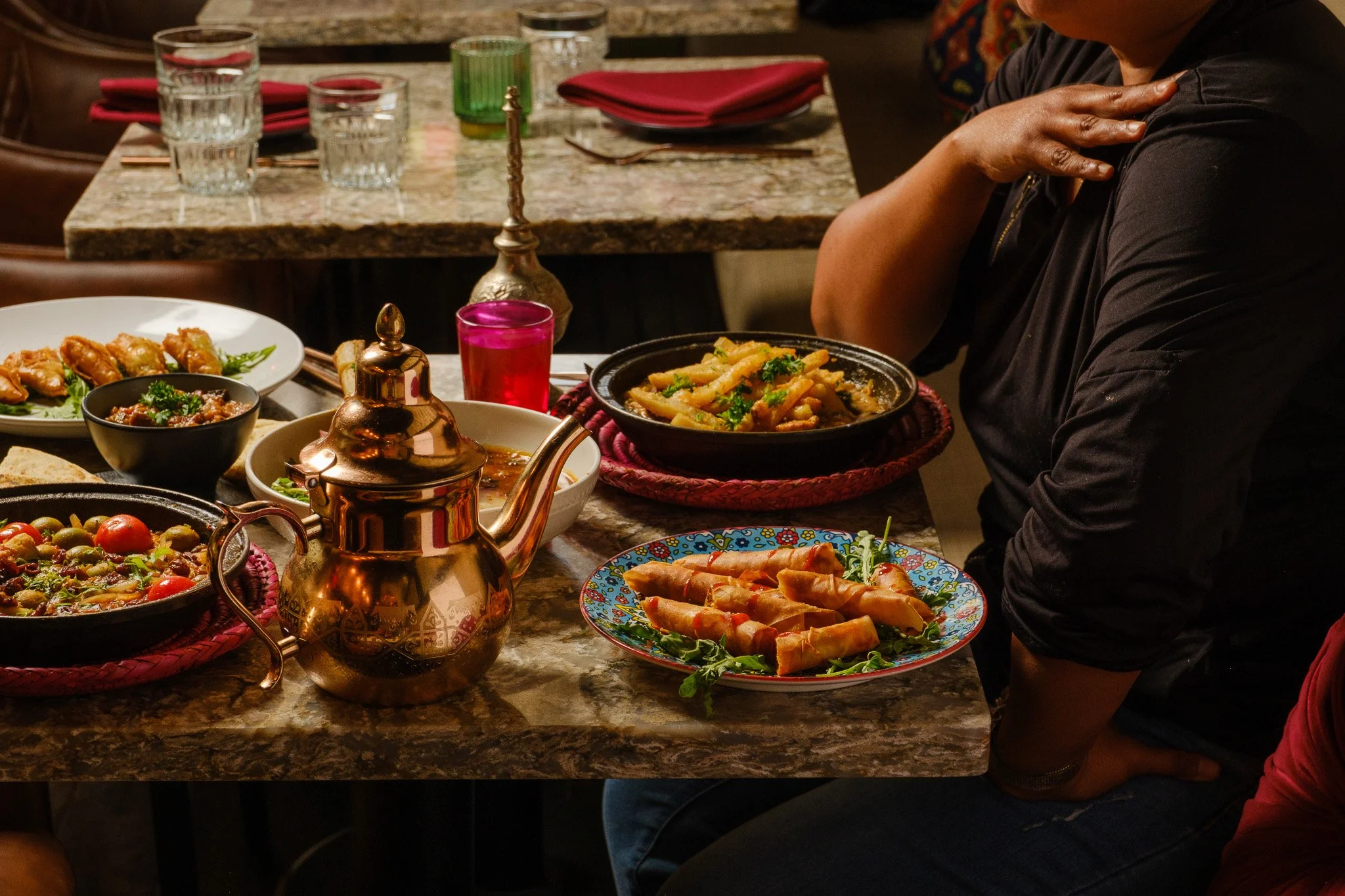
You have always been involved in the local community whether working with school districts upstate to diversify lunch meals or participating in fundraiser events. With one foot in Manhattan and one still upstate, this month you’re doing a dinner at the James Beard House and next month participating in the Regional Food Bank of NENY fundraiser, Chefs: Big Apple. Now you’re being pulled into community and civic work in Manhattan and the MWBE. What are you doing and why is it important to you?
AW: I’m a firm believer in doing whatever you can to help other people. I got that from my parents, who have never thought twice about helping someone when they could.
I understand intimately how difficult it is to start and operate a small restaurant. Through my MWBE work, I’ve become increasingly involved in conversations around how small and minority- and women-owned businesses actually access opportunities—particularly government procurement. There can be an enormous gap between programs existing on paper and small businesses actually being able to navigate and benefit from them.
If sharing what I’ve learned can help another entrepreneur avoid some of the mistakes I made, or if speaking up can help create better systems for the people coming behind me, then I feel a responsibility to do that.
You met your husband, Muntasim Shoaib, while on vacation in Morocco. Is this the love story that ultimately led to you opening Tara Kitchen?
AW: It’s definitely the love story that reshaped my entire life! Meeting Muntasim in Morocco really was kismet. We discovered that our lives had strangely crossed before we ever met—he had even done video work for Latina magazine while I was working there. Three months after meeting, we were married!
When he moved to the U.S., we started a small business importing goods from India and selling them at street fairs in New York City. Eventually we found ourselves selling food at the Schenectady Greenmarket, and that little market stall became Tara Kitchen. There was never some grand master plan. One thing simply led to another, which is pretty much the story of my life.
In operating Tara Kitchen upstate, you’ve previously said you wanted to introduce people to Moroccan cuisine and expand the diversity of food in the community and schools. Do you feel you accomplished this? Have you seen much change in recent years?
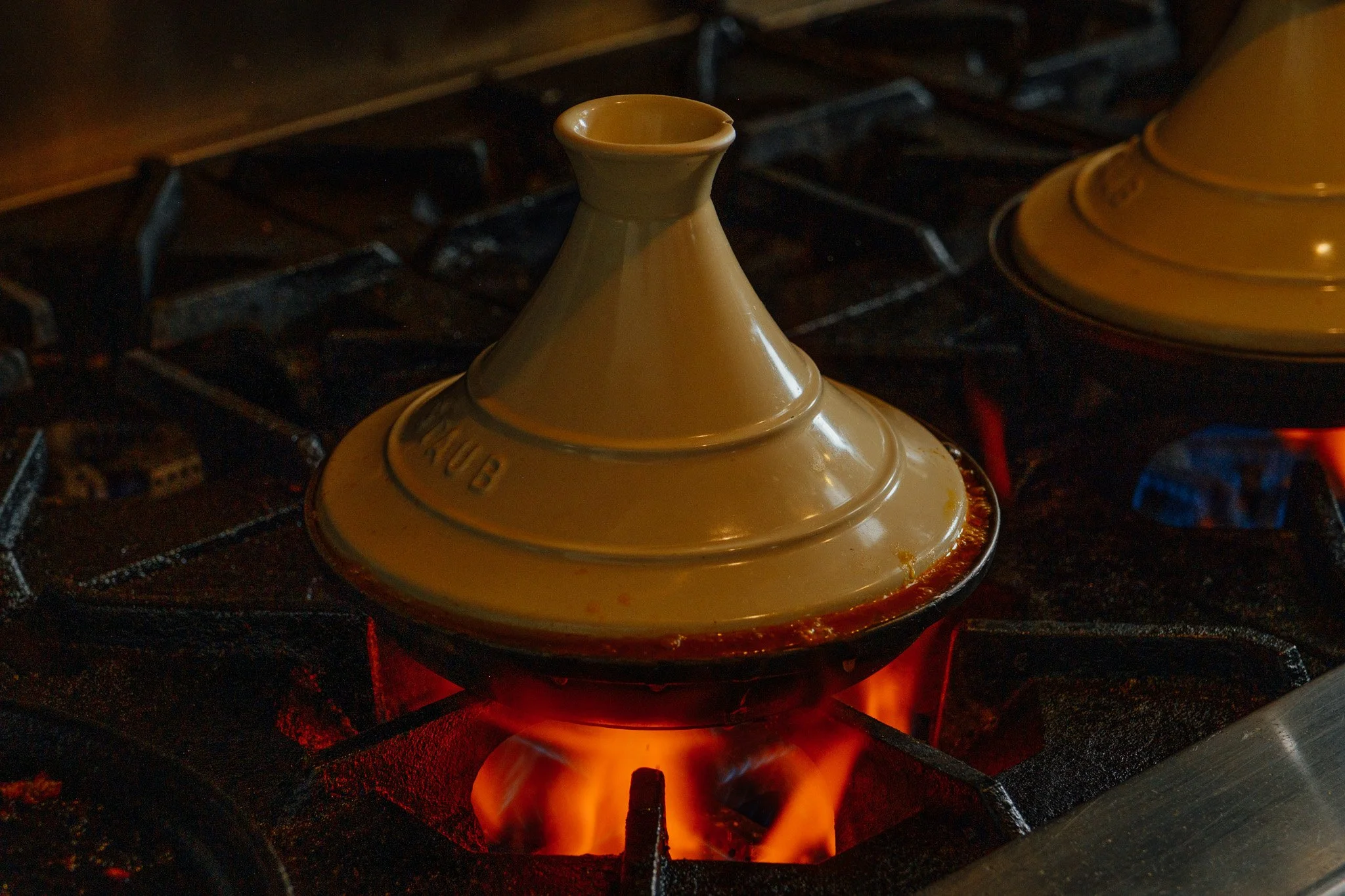
AW: Absolutely. When we opened Tara Kitchen in Schenectady, Moroccan food was unfamiliar to many of our guests. Years later, people who had never heard of a tagine were ordering dishes like chicken with preserved lemon and olives or lamb with honey and prunes by name. That means something to me.
Working with schools became an extension of that. Food is one of the easiest and least threatening ways to introduce young people to cultures different from their own. My daughters’ experiences also made me think much more deeply about belonging—particularly what happens when children feel that their culture, family or identity makes them an outsider. That has pushed me toward doing more work with schools around food, heritage and cultural understanding. I don’t think food solves everything, but I absolutely believe a shared table can start conversations that are much harder to begin anywhere else. Starting the H.O.M.E. program in school this year is a pivotal touch point of my career.
Food is a great way to understand culture. You’re from India, your husband is from Pakistan, your restaurants are Moroccan, and you raised your girls in upstate New York. At home, what’s the family’s favorite go-to dinner?
AW: Our house is completely multicultural, but our everyday dinner is usually much less glamorous than people imagine! We all love South Asian comfort food—dal, rice, kebabs, curries—but everyone has opinions and cravings, so dinner can easily become a mix of whatever we’re in the mood for.
The funny thing is that after cooking professionally all day, the meals I love at home are usually the simplest ones.
I don’t think anyone has been written about this, but in 2022 you authored a cookbook, didn’t you?
AW: Yes! Easy Moroccan Cookbook was really an extension of what I had been doing at Tara Kitchen for years—showing people that Moroccan food doesn’t have to feel complicated or inaccessible. I wanted someone to be able to open the book, recognize the ingredients, understand the techniques and actually cook the food at home. Moroccan cuisine has these incredible layers of sweet, savory, spice, preserved citrus, herbs and slow cooking, but you don’t need to be a professional chef to create those flavors. That accessibility was very important to me.
You are the face and the culinary force behind Tara Kitchen, but you work closely with your husband in operating the brand. Is it ever hard working together as well as raising your family?
AW:. Of course! We’re married, raising two teenagers and running businesses together—there is absolutely no universe where that is effortless. First we love each other deeply and Muntasim and I also have very different strengths. After all these years we understand each other pretty well. We’ve built businesses, raised children, moved countries and navigated plenty of chaos together. We may disagree about how to get somewhere, but fundamentally we know we’re on the same team.
You’re from Hyderabad, India, and grew up traveling moving around with your family living in Madras, Kolkata, Delhi and Mumbai before moving to Schenectady, N.Y., so you were exposed to a wide range of regional food, language and culture from a young age. What are some of your childhood memories of food?
AW: Pani puri! A street food I was introduced to while living in Kolkata still lives in my head rent-free. I have gone to ridiculous lengths over the years to secure myself a good plate of pani puri. In fact, for my birthday last year, my teenagers set up an entire pani puri bar for me. They know me very well.
Growing up in different cities across India meant food was constantly changing around me. I think that early exposure made me naturally curious about food and culture without my realizing it at the time..
From chef dinners to traveling to all your locations (+ opening new ones), how-or when-do you unwind?
AW: I am a reality TV junkie! I like to call it mind candy and there's not a show on an island that I am not a fan of. I’m actually very good at doing absolutely nothing when I get the chance! I don’t need elaborate self-care rituals. Give me my family, something good to eat, a comfortable couch and no one asking me a restaurant question for a few hours and I’m perfectly happy.
Travel is also a huge reset for me. I love being somewhere that allows me to walk, eat, observe and experience life without being responsible for the restaurant around me.
Yes, travel has been a constant in your life, but this fall you’re actually leading a group tour to Morocco. Is this your first time doing it? How do you manage putting it all together and leaving your restaurants? .
This is the first time I’m formally leading a small culinary group through Morocco, although Morocco has been part of my life for twenty years. I wanted this to feel very different from a traditional sightseeing tour. We’re traveling through Morocco through food—markets, home cooking, restaurants, artisans and the places and people I’ve come to know over the years. It’s a small group, which allows the experience to be much more personal.
And as for leaving the restaurants? At some point, if your business can’t function without you physically standing inside it every day, you haven’t really built a business—you’ve built yourself a job. I’ve spent years building teams, and part of this next chapter for me is trusting them and creating room for experiences like this.
When you’re upstate, where are 3 of your favorite spots in the Hudson Valley or Capital Region for breakfast, lunch or dinner?
AW: For breakfast, Dinertime, a diner in Latham. For lunch, Tacos Diablo in Guilderland, and dinner would be Indian Flame Express in Colonie.
Where would you go in the world if money and reservations were no object?
AW: My mom’s house. Every single time. No question. You can give me the most exclusive reservation in the world and I’ll still take my mother’s cooking.
Perfect answer! Well, Chef, thanks for talking with us + giving us some insight into this new chapter. We can’t wait to see where you open next—and we’ll be back for dinner!