
MEET: BASHIR CHEDRAWEE, Simone’s Kitchen + Lily P’s
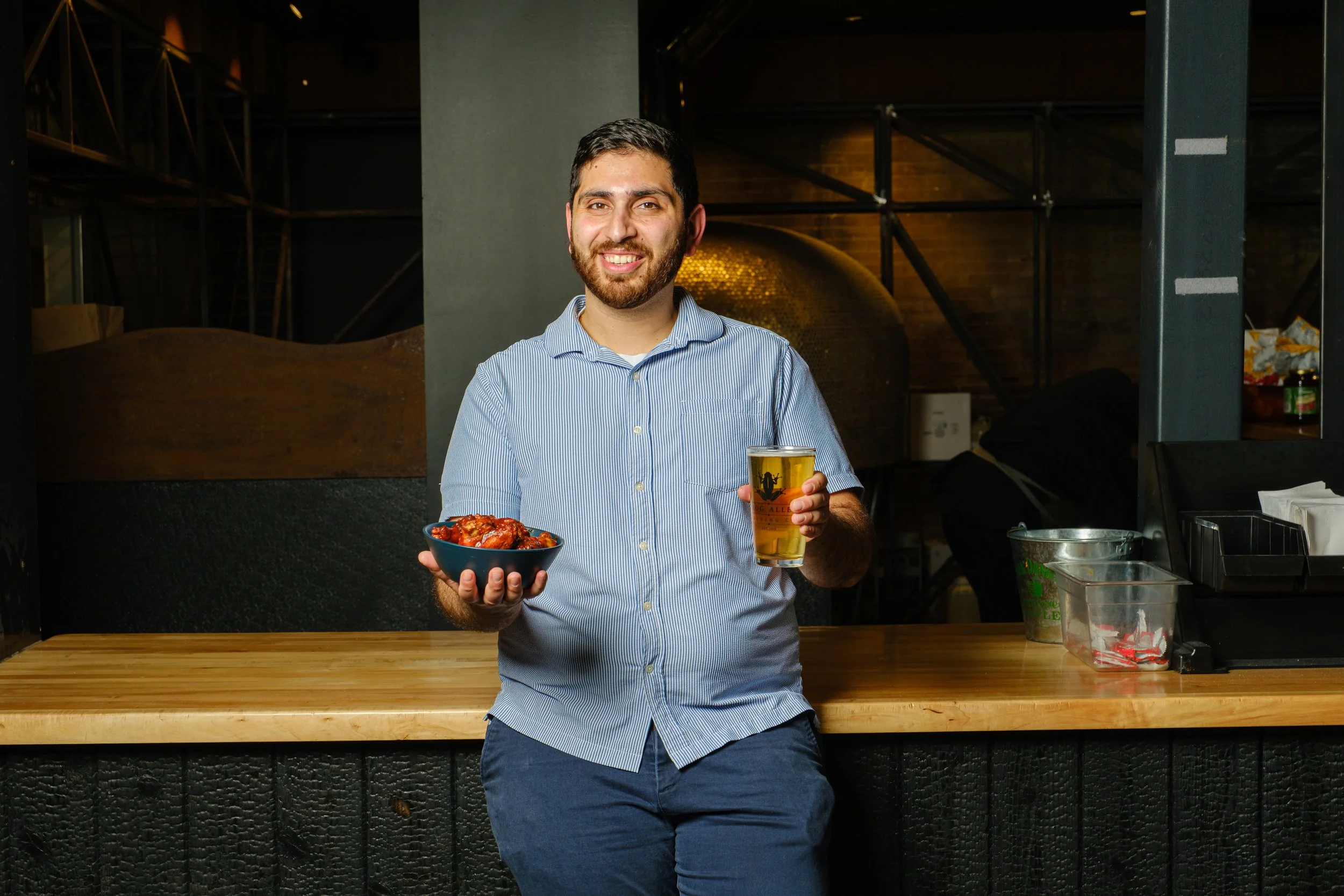
Bashir Chedrawee talks Lebanese mezza, wing wars, wellness-first culture, and Saucy Hospitality.
Interview : Susie Davidson Powell
Photos: Victoria Sedefian/The Dishing
Location: Simone’s Kitchen + Lily P’s at Frog Alley Brewing, Schenectady, N.Y.
IG @OrderSimones | IG: @LilyPsPizzeria
The Dishing talks with tastemakers in the hospitality industry + trailblazers at the intersection of food, culture + art. Today we’re talking with Lebanese restaurateur Bashir Chedrawee of Saucy Hospitality, Simone’s Kitchen and Lily P’s. Chedrawee founded Simone’s Kitchen with his mother in 2018. By now, the company has three Simone’s locations in Coxsackie, Schenectady and Stuyvesant Plaza and the brand new Lily P’s pizzeria handling food at Frog Alley Brewing.
🔍🫒 Read on for Dishing intel on a new brand opening in 2026.
Bashir, thanks for talking with The Dishing. Let’s get into it! Your business story starts in 2018 when you and your mother opened the first Simone’s Kitchen in Coxsackie as a way to bring her Lebanese food to life. You were born in Ghana where your father’s family had emigrated, raised in Lebanon and moved to the Capital Region when you were 8 years old. Why in 2018 did it feel important to share your mother’s Lebanese cooking with the Capital Region and how did you choose Coxsackie?
In 2018, the timing was really shaped by life circumstances. I had just graduated college and was preparing for medical school, but I had a gap year with pockets of free time. My mother had always dreamed of opening a place that brought her Lebanese food to life, but once I went off to med school, she would no longer have me around to help her. Medical school is an eight-plus-year journey when you factor in residency — so 2018 felt like the final window where I could support her in getting this business off the ground.
As for why Coxsackie, it honestly came down to practicality and a bit of fate. We were searching all over the Capital Region, but the Albany area didn’t offer anything remotely affordable for the tiny budget we had scraped together. One day, driving back from a visit to New York City, my mother took the Coxsackie exit by chance and saw a small sign outside an older strip mall. Behind it was a tiny, roughly 600-square-foot storefront — no commercial kitchen, nothing glamorous, but it was the perfect size for us. It was a space we could actually afford to furnish, in a town where the rent wasn’t crushing and the landlord was willing to work with new entrepreneurs. Even though Coxsackie was 40 minutes south of where we lived, it ended up being the place where starting was actually possible. Over time, we came to realize how beautiful the community was — a supportive Hudson Valley town that embraced us from day one. It turned out to be exactly where we were meant to begin.
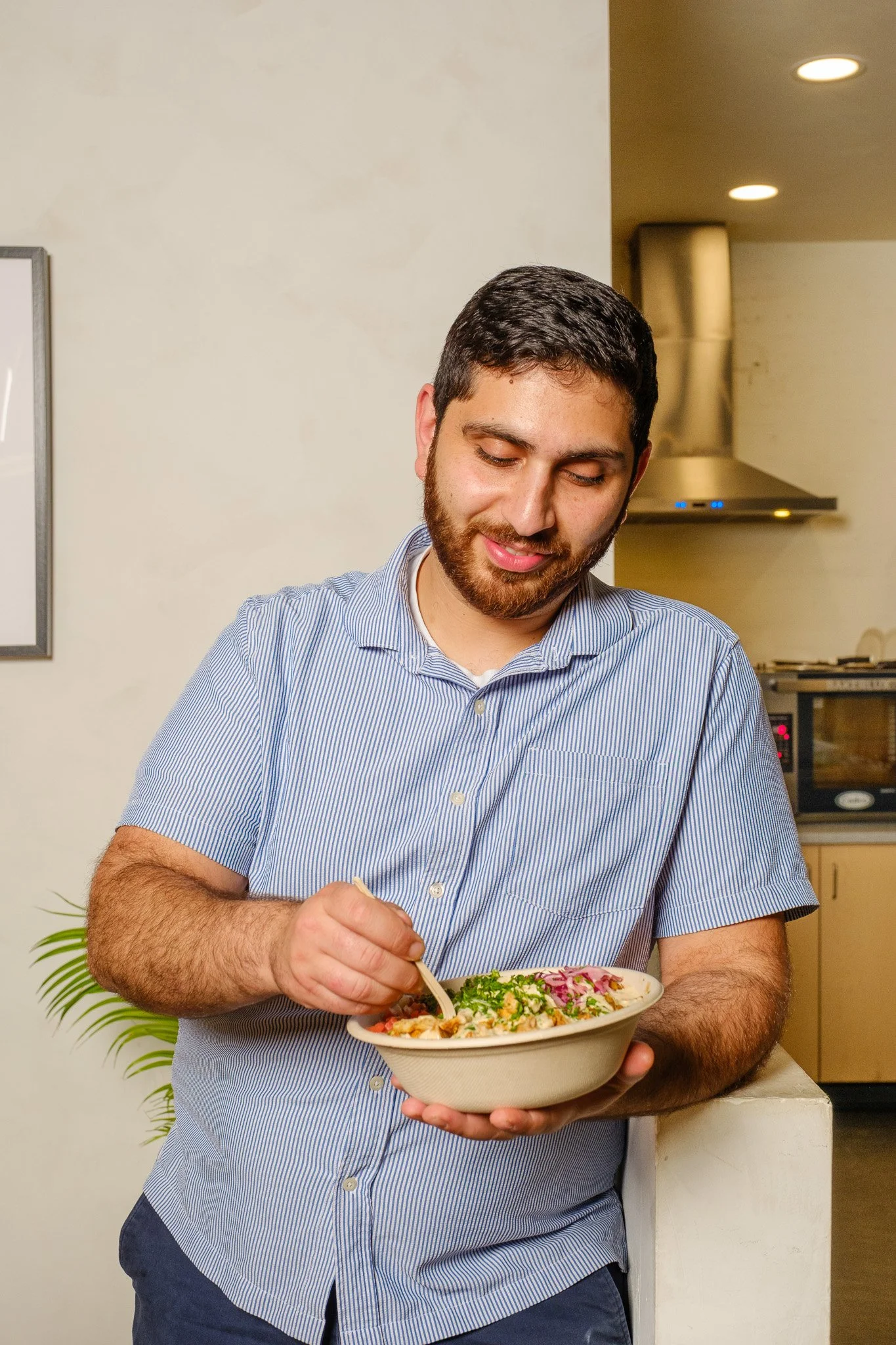
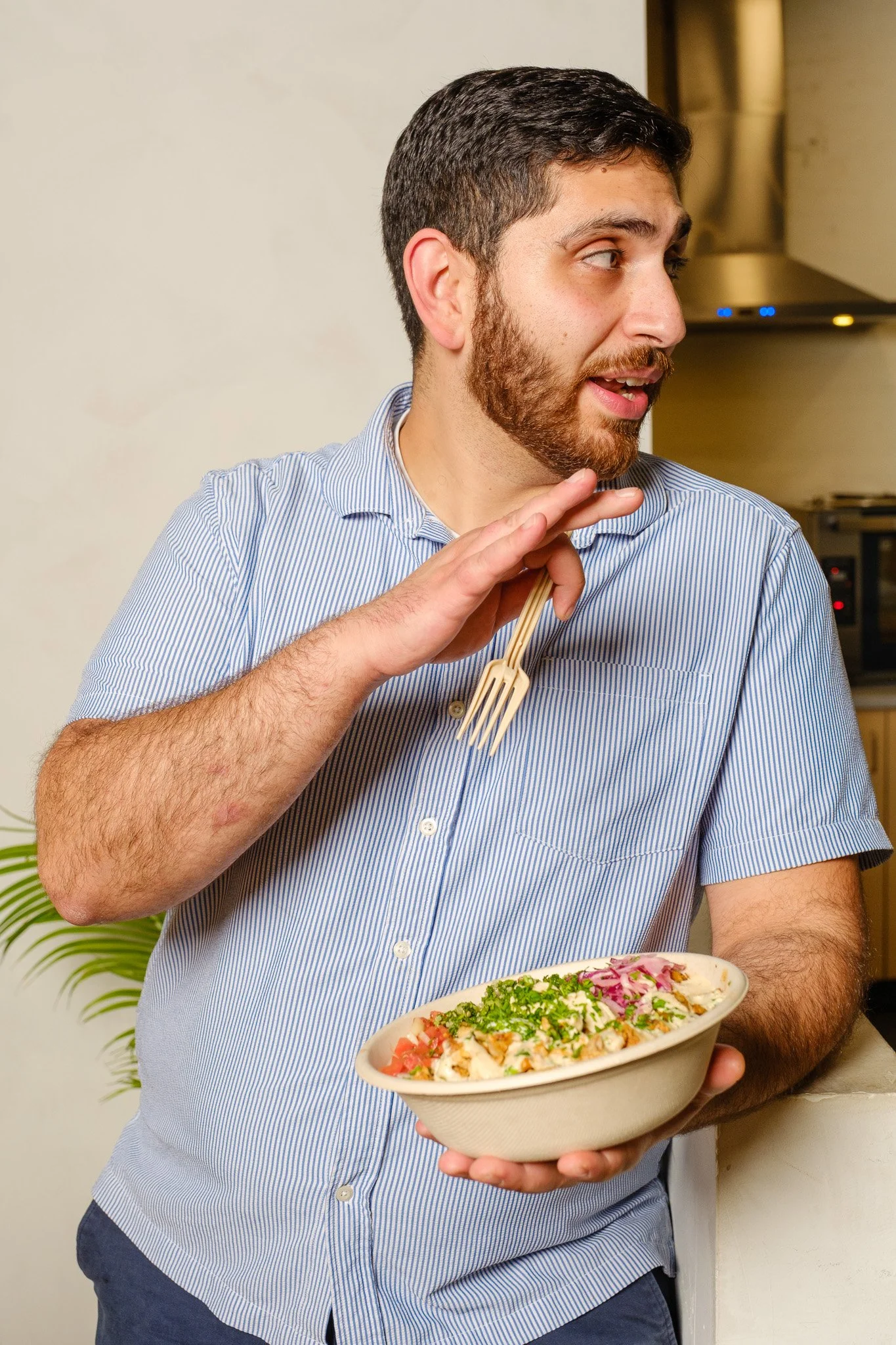
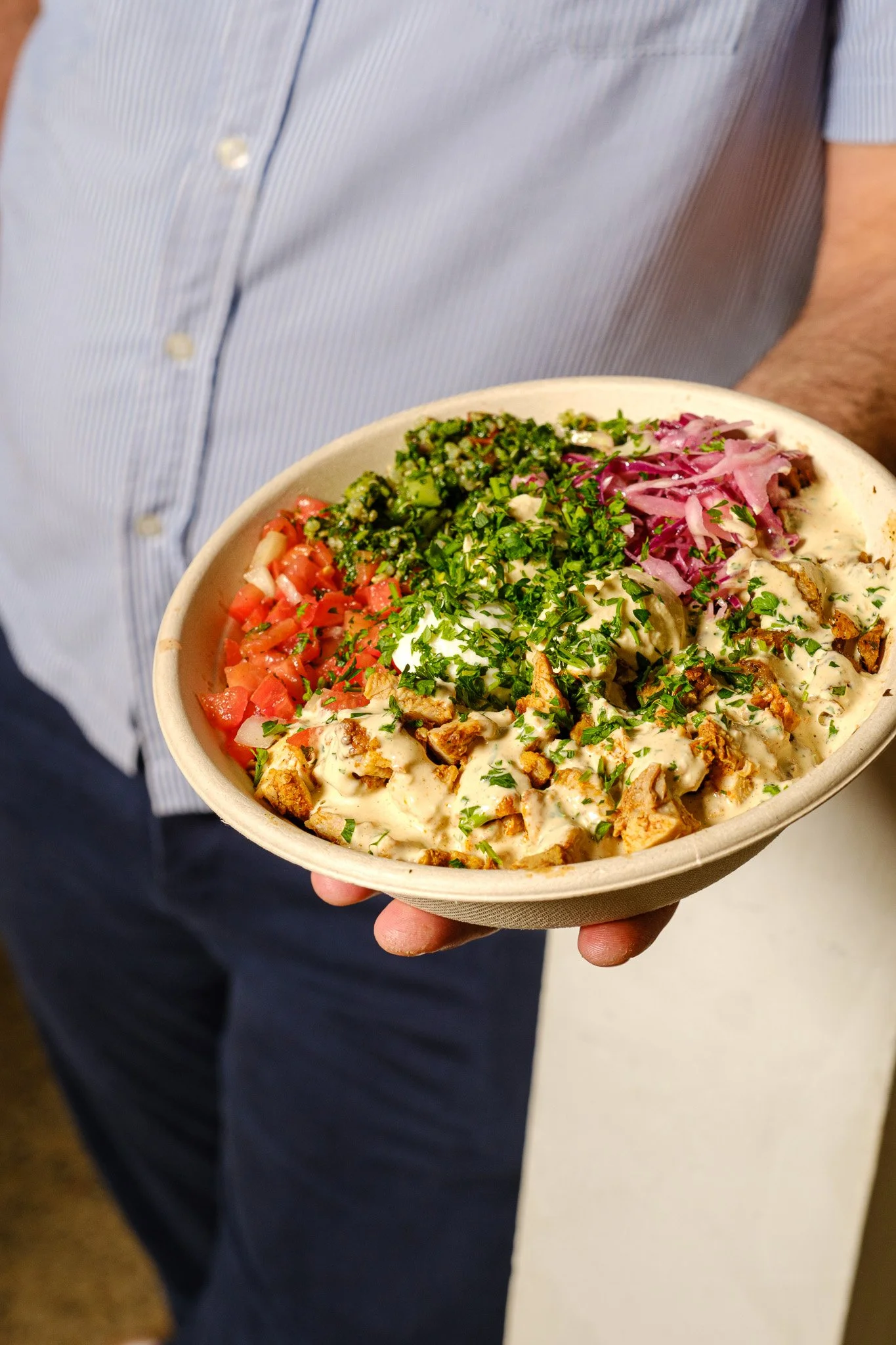
In a prior review of Simone’s Kitchen, I wrote that Simone’s Kitchen offered “an intelligently-created, fast-casual concept right when the struggling hospitality industry needs a future vision.” Your brand was born of the idea of a communal family table and is centered on valued employees given “techworld livability standards.” Some of those perks included good hourly base rates, distributed tips and communal staff perks like group gym membership, Netflix and mediation accounts and leveraging collective shopping power. Did you go into business with the idea that this was integral to the brand concept?
Yes — that philosophy was intentional from the start. Even before I fully committed to Simone’s Kitchen as my own career, when this was still something I was helping build for my mother, I knew I wanted the workplace to feel as wholesome as the food we were serving. When I eventually took full ownership of Simone’s and realized I wasn’t going to pursue medical school, that philosophy only deepened. It became clear to me very early on that the hospitality industry can be one of the most inhospitable environments to work in. The irony of that really struck me.
So I made a commitment: The culture behind the scenes had to reflect the same care that guests experience out front.
For me, that meant creating a space that took care of people, where team members felt valued, supported, and treated like human beings with real needs and lives. Good hourly wages, distributed tips, wellness perks, and a sense of community weren’t extras — they were foundational. If we’re serving wholesome food in a clean, inspiring space, then our team environment should mirror that wholesomeness. Our business exists to take care of people. Back to front to customers and community as a whole.
After studying biochemistry and neuroscience at the University of Albany, you founded Simone’s Kitchen during a gap year before med school. Simone’s took off so fast that you decided to pursue this business after recognizing that this work was “real, meaningful and taking on a life of its own.” Had you ever worked in hospitality before and why do you think there was such instant demand for Simone’s?
I actually had no formal background in hospitality. When I was very young, my parents owned a small traditional Lebanese restaurant, but it was really just the two of them running it. I was too young to understand cooking, operations, or the business side, and they eventually closed the restaurant in the early 2010s. That was the extent of my exposure. What I did have, though, was cultural. I grew up in a household where feeding people, welcoming them, and taking care of them was instinctual. It was were you derived a lot of your pleasure and even self worth. In Lebanese culture, hospitality isn’t a profession — it’s part of who you are.
I think that’s why Simone’s had such instant demand. The food was bright, fresh, and comforting, but it was also served with a sense of genuine care that people felt immediately. Even without a hospitality background, the values I grew up with—sharing food, bringing people together, making them feel at home—translated naturally into what became Simone’s Kitchen.
With that rapid growth, your mother stepped back and you partnered with your friend Shan Kaurejo and Jules Trombley, who had been on staff since the beginning, dubbing yourselves “The Three Musketeers.” Now, as the directors of the overseeing Saucy Hospitality, how are your roles defined and what is key to working well together as the brand grows?
Going from a scrappy family restaurant to a well-run, multi-location operation takes time, growth, and a lot of personal evolution. Each of us had to figure out our strengths, our natural lanes, and how to divide and conquer in a way that feels balanced and efficient. As the company has grown, I’ve taken on the CEO role. I oversee the full picture: the vision, brand direction, operations, culture, long-term planning, and the details that keep the business running smoothly — everything from technology and systems to optimizing how our stores function day to day. My job is to steer the ship, maintain the culture, and constantly push the business forward.
Shan serves as our COO. He works closely with me to build the systems, structures, and technology that allow us to scale responsibly. He’s the operational backbone. He also handles the financial side, ensures the books are strong and accurate. And Jules is the boots on the ground, the head of our day-to-day operations. She ensures every store runs smoothly and consistently. She’s deeply connected to our teams, oversees training, and protects our standards on the ground. She’s the reason the guest experience and team experience look and feel the same across every location.
The key to working well together is simple: trust, communication, and a shared belief in what we’re building. We each have our lanes but our lanes overlap just enough to stay aligned.
Your approach is a “wellness-first culture – wholesome food, obsessive quality and high livability standards for staff.” It reminds me of Danny Meyer’s “enlightened hospitality" philosophy prioritizing employee well-being and empowerment as inevitably leading to better customer service and loyalty, as well as Will Guidara’s book, “Unreasonable Hospitality” emphasizing hospitality as genuine, personalized care. Were you influenced by either of these and what does hospitality mean to you?
I wasn’t familiar with Danny Meyer or Will Guidara before starting the business, even though I’m familiar with their work now and share their mindset. My own approach really comes from how I was raised. In my culture, taking care of people, feeding them, and making them feel comfortable is second nature — it’s something you grow up doing. So when I started Simone’s, that mindset naturally became part of the business. Hospitality, to me, is about taking care of people, but also about delighting them — giving them something thoughtful, welcoming, and memorable. It’s warmth, intention, and genuine care, whether you’re talking about a guest walking in the door or a team member showing up for their shift. That’s really the heart of how we operate.
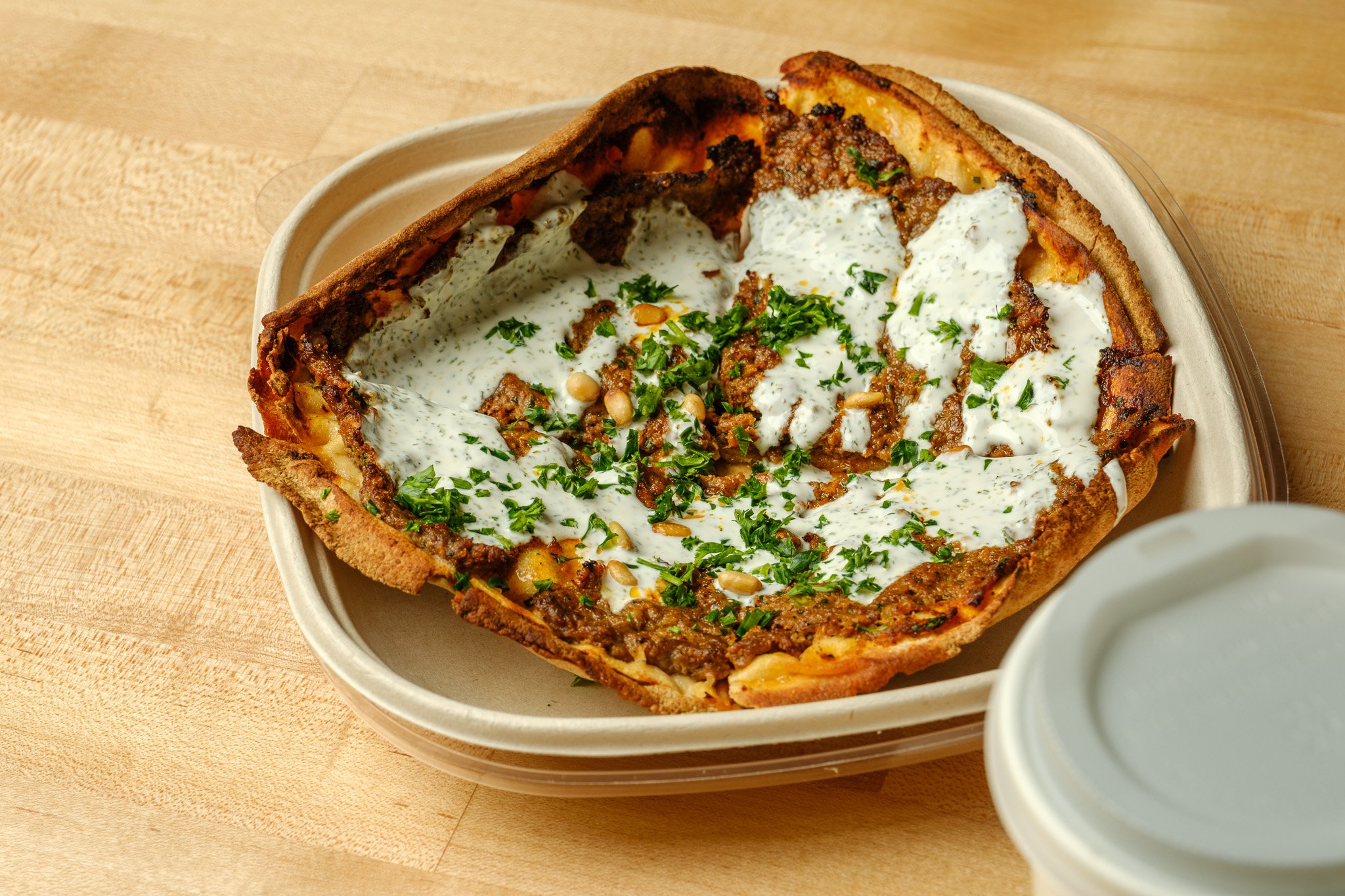
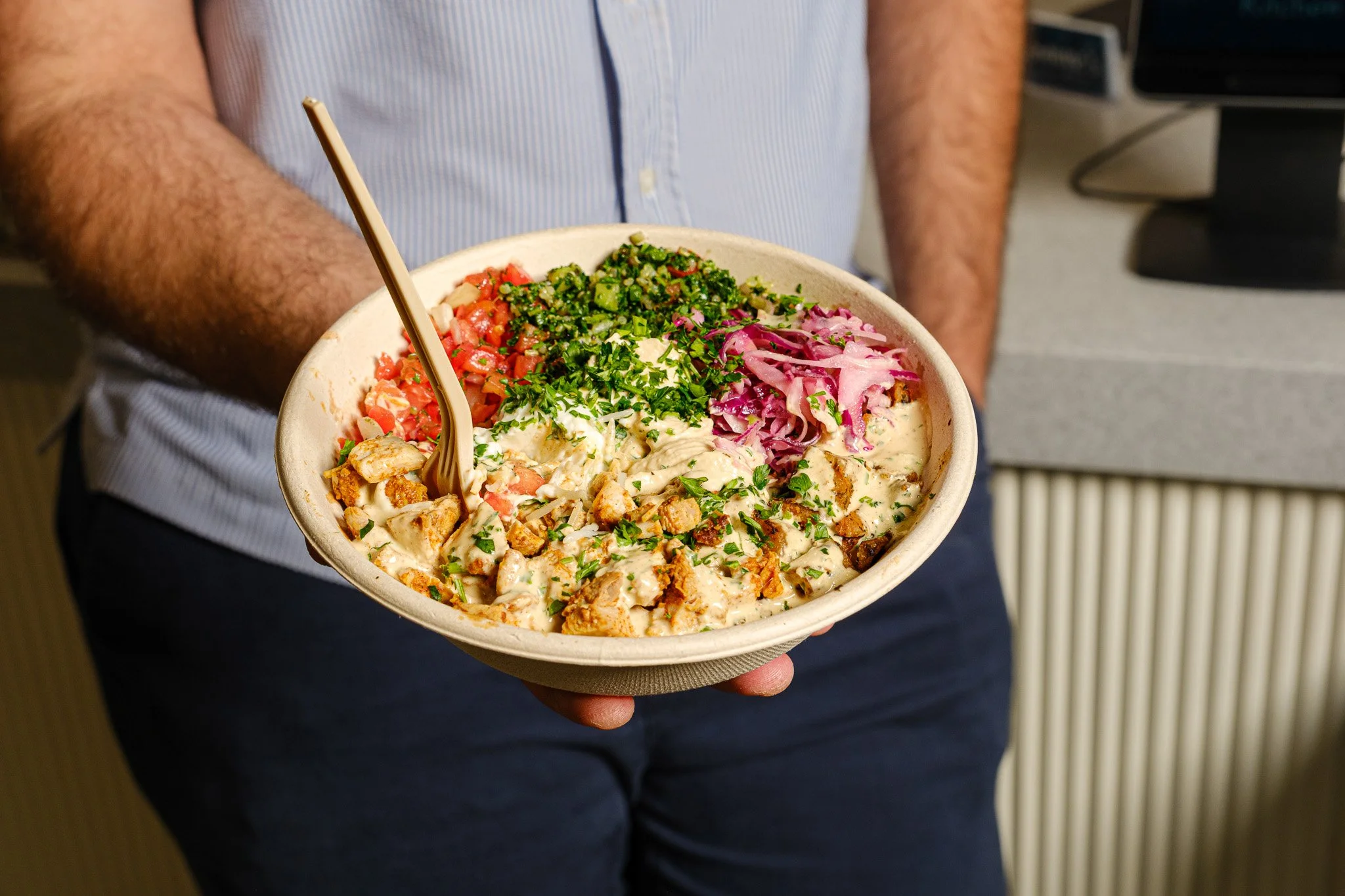
Let’s talk about the food for a moment. At Simone’s, the cuisine is Mediterranean-inspired with Lebanese roots. There are around 22 countries that share the category of Mediterranean or Middle Eastern cuisine. Mezza (rather than mezze) is a Lebanese word but your dishes are dotted with pomegranate and sumac and the menu includes tabbouleh, hummus, lahmacun (a thin pizza popular across Turkey, Lebanon, Syria and Armenia) and Greek keftedes (meatballs.) How do you describe the culinary landscape that your menu embraces—or does it not really matter?
We describe what we do as Mediterranean fusion. We take inspiration from the ingredients, flavors, and cooking philosophies found across the Mediterranean region. What really guides us is the simplicity and wholesomeness that ties all these cuisines together — humble ingredients prepared thoughtfully so the food is fresh, bright, and enjoyable.
When we first opened, the menu leaned almost entirely toward the Eastern Mediterranean and the Levant, because that’s where my mother’s cooking comes from. But as we grew, we started pulling inspiration from across all parts of the Mediterranean — Spain, Greece, Lebanon, Turkey, Morocco, Algeria — really the full range of cultures that surround the Mediterranean Sea on three continents.
So it’s less about fitting into one specific country’s cuisine and more about celebrating the shared philosophy behind Mediterranean food: clean ingredients, bold flavors, and a style of cooking that feels both simple yet is deeply satisfying.
Your first Coxsackie location opened a few weeks before the pandemic and you had to rapidly pivot to the highly efficient takeout and delivery model that has become the cornerstone of all locations. A highly customizable menu, efficient counter service, a dedicated staff person bagging takeout orders, and packaging designed to travel well. Can you talk about that pandemic pivot and how it became central to the business?
During the pandemic, we saw a major hit in our sales as soon as the mandates came out. It was a time when a lot of businesses started to struggle, and unfortunately many restaurants didn’t make it. In that first week of the mandates, our sales dropped drastically, and we knew we needed to react immediately — especially because we had just invested a significant amount of money upgrading the space and building our first real dining room. We were in a position where we had to recoup that investment.
So our response began with communication. We used all of our marketing channels to let guests know exactly how we were prioritizing safety—everything from masking up to new food safety measures, especially at a time when people weren’t even sure whether COVID could be transmitted through food. We launched a dedicated delivery program and advertised it heavily. We put dozens and dozens of yard signs throughout neighboring towns letting people know that if they were too worried to go out, we would bring their food to them safely.
We also leaned into the importance of eating wholesome, nourishing foods to help fortify the immune system during a time when people were thinking about their health more than ever. As a result, customers began trusting us more than many other food sources. They appreciated the effort, and we ended up not only bouncing back—we actually broke sales records. That rebound is what ultimately fueled Simone’s to reach the next level.
You’re committed to sustainable, compostable packaging made from bioplastics and sugarcane pulp. Why is this important to you?
For us, it all comes back to mindset. We’ve always tried to build a business that does the right thing in every area, not just with the food we serve. If the heart of what we do is taking care of people, then taking care of the world those people live in naturally matters too.
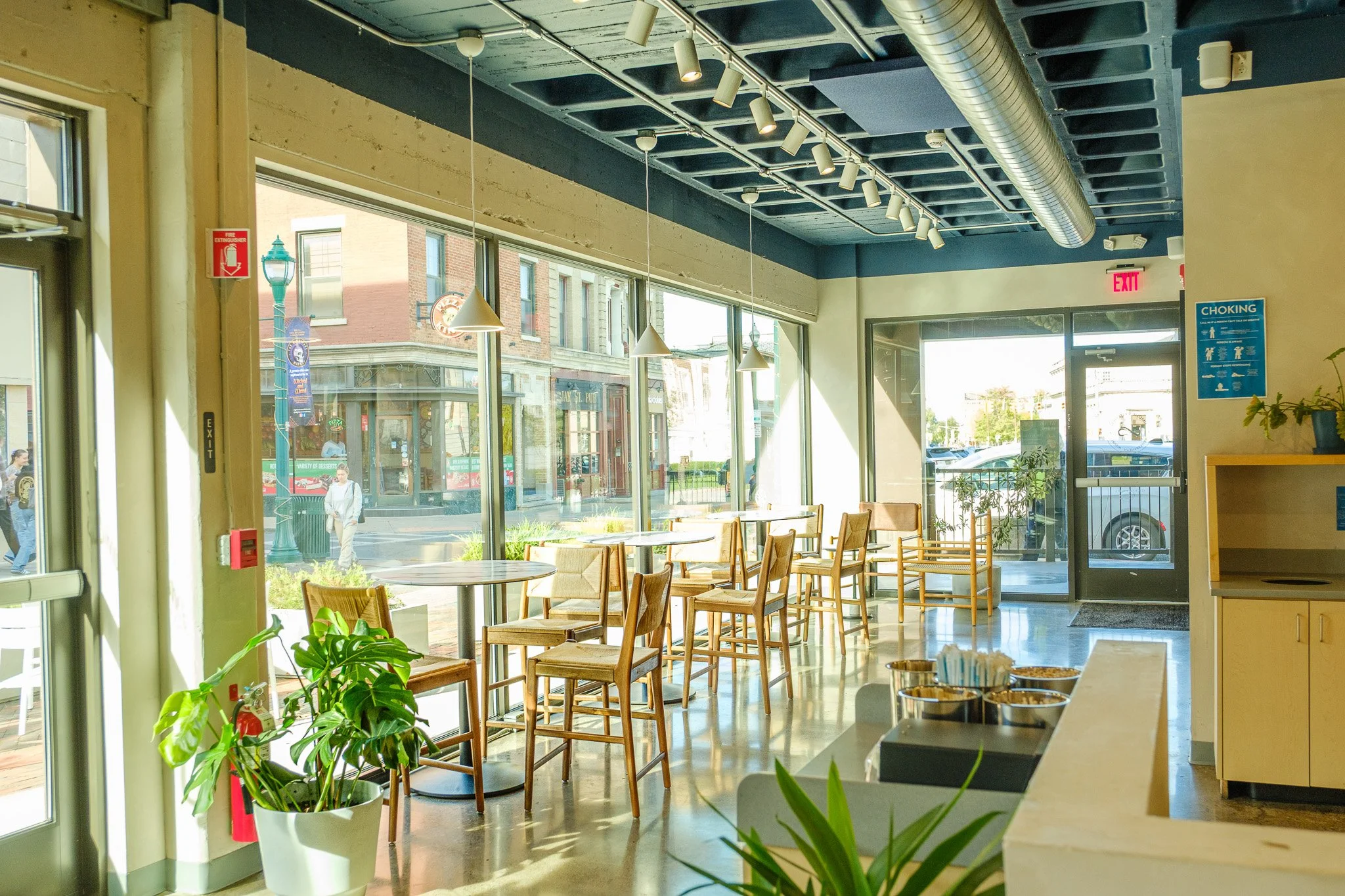
In a fast-casual business, disposables are unavoidable — most of what we do requires them. So our approach has been to choose options that do the least harm, like bioplastics and sugarcane pulp. It’s simply the best decision we can make within the realities of our model. And honestly, it doesn’t even feel like extra effort. Given the mindset we have about hospitality, health, and creating a wholesome environment, it would feel wrong not to make this choice. Using eco-friendly packaging is just another piece of a larger picture: doing things thoughtfully, taking responsibility where we can, and trying to create a business that reflects the values we talk about.
Anyone who steps into one of your locations will notice how attentive and efficient your staff are in asking questions, discussing allergens and coordinating smoothly as a team. What is unique about your approach to staff training?
We tell our team all the time: we’re not in this business just to clock in and out. If we didn’t enjoy taking care of people and doing this work to the best of our ability, we could all go do something else. That mindset — that we’re here because we want to be and because we take pride in serving others — sets the tone for everything. We’re serious about the impact we want to have. We want to delight people, create something they’re excited about, and show, even within the small world of our store, the kind of kindness and care we want to see in the world. That purpose gives the work meaning, even when it’s physically demanding or challenging.
At the same time, we’re extremely structured. Systems and protocols are a huge part of who we are. Every position has a clear flow, and we document everything — from opening and closing checklists to ingredient education, so team members understand what they’re serving and can confidently answer questions. We take allergens and dietary needs very seriously, because hospitality means taking care of everyone, not just some people. So our training combines two things: A wholesome, people-first mindset + a disciplined, highly organized structure.
When you put those together, you get a team that works with heart, works with purpose, and works with excellence.
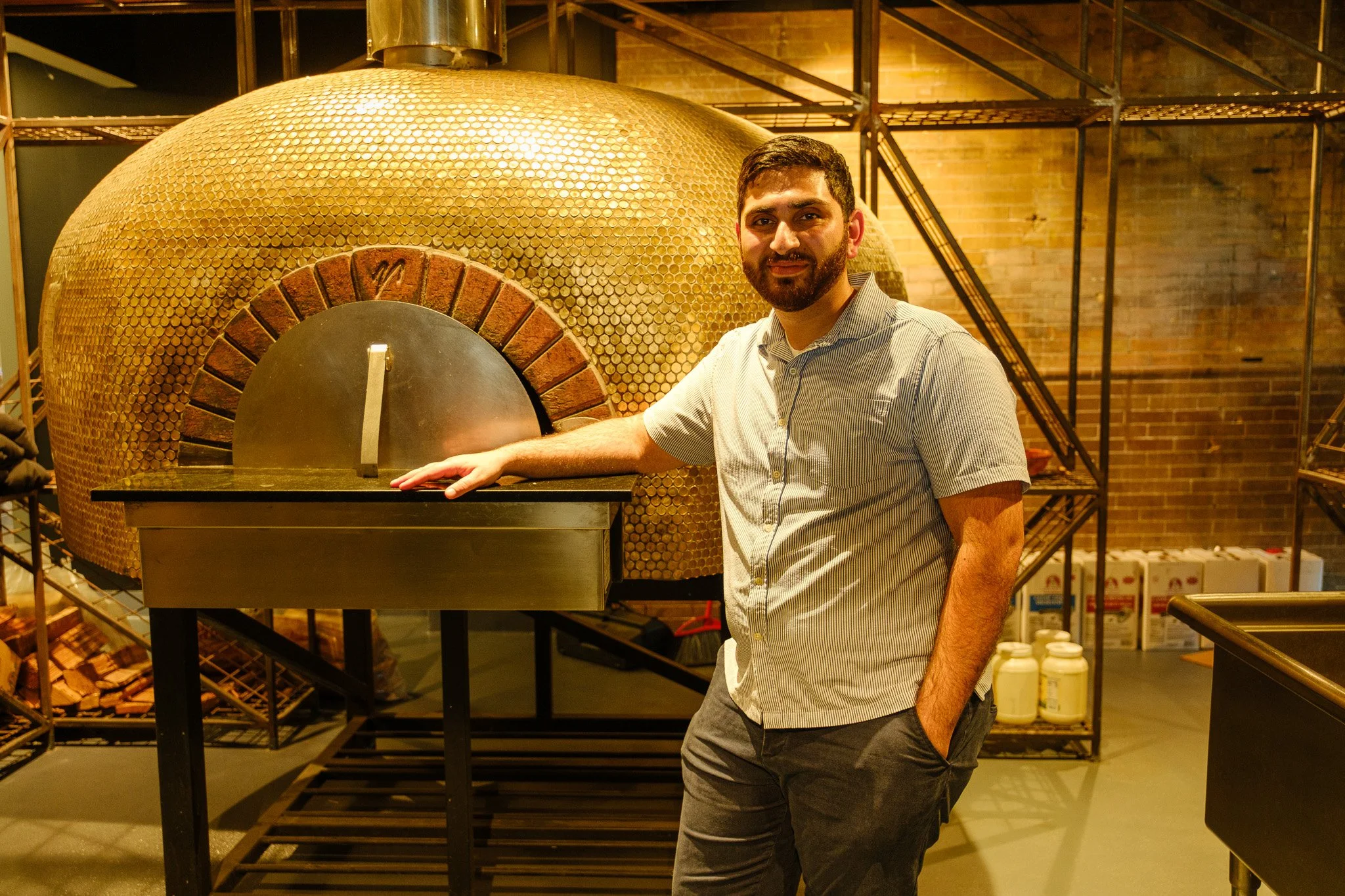
You recently took over management of food operations at Frog Alley Brewing in Schenectady with the opening of Lily P’s pizza – (the name being a cute nod to the Frog Alley brand.) When did you decide to explore culinary concepts outside of the Mediterranean Simone’s brand?
Simone’s Kitchen was naturally the first concept I would ever open — it was based on my mother’s cooking, and it was the food we knew best. That was the starting point. But at the heart of everything we do is the desire to take care of people and to create something that delights them. Hospitality isn’t just about being nice; it’s about giving people something exciting, thoughtful, and special. So when the opportunity came to take over food operations and create Lily P’s at Frog Alley, we saw it as a chance to bring that same philosophy — the same care, the same standards, the same obsession with quality — into a completely different style of food. We still carry that Mediterranean mindset of warm, genuine hospitality, but now we get to apply it in new ways.
We love being creative, and we didn’t want to limit ourselves to a single cuisine. Whether it’s pizza or any concept we take on in the future, the approach stays consistent: build a healthy, wholesome workplace, treat our team really well, and put out food that’s made with intention and pride. The cuisine might change, but the philosophy never does.

The pandemic obviously hit the restaurants and hospitality industry hard and the post-pandemic years have shown very different dining trends in terms of costs, foot traffic and customer habits. Even the delivery apps that helped restaurants survive the lockdown are now hurting them in terms of filling dining room seats. What do you see as the future for the restaurant and bar industry?
Interestingly, the pandemic just accelerated shifts that were already happening in the restaurant world. We’ve seen a move toward more digital ordering, less fuss, and more quick, affordable, healthy options. People want to come as they are and enjoy a good meal without sacrificing quality or spending a lot of time and money on a formal dining experience. There’s still a place for sit-down restaurants, but they have to adapt to a world where simplicity and ease are key.
For bars, it’s similar. Guests are leaning toward healthier options, including non-alcoholic drinks. It all comes down to meeting people where they are and recognizing that they want wholesome, convenient, high-quality experiences without unnecessary complication.
As for third-party delivery, it’s now fully integrated into the industry. I don’t believe it’s hurting restaurants. Restaurants can raise their prices proportionately, and customers are willing to pay for the convenience of delivery. There’s a cost to it, but there’s value for restaurants too — otherwise they wouldn’t participate. If anything, the pandemic made consumers question high prices less. It became clear that costs went up and never fully came back down, and that gave restaurants more room to price responsibly without fear. The focus should be fairness, but also confidence: if you offer great quality and convenience, people will pay for it.
In the end, the future is about staying adaptable and focusing on quality. Restaurants and bars that do that—offering great value, meet changing guest expectations, and keep things simple and wholesome—will continue to thrive.
Let’s get into some of your own tastes. Growing up with Lebanese parents in Ghana, Lebanon, Averill Park and Delmar, what are some of your childhood memories of food whether home cooking or dining out or both?
I’ve always been a foodie. I love eating, and I love all cuisines — there really aren’t any foods I don’t enjoy. Growing up, some of my strongest memories are around my mother’s cooking. The most traditional Lebanese dishes were always my favorites: her fattoush with the sumac and pomegranate vinaigrette, shawarma she’d make at home, and her mezza spread — the hummus, the tabbouleh — all the classics. Those flavors feel like home to me.
But interestingly, when it comes to my favorite “fun” or leisure food, I’ve always gravitated toward rustic American, farm-to-table cooking. Nothing hits me the way a great cheeseburger or hamburger does — local ingredients, house-made sauces, something fatty, cheesy, rich. That’s my comfort food in a totally different way. So my childhood food memories are a mix of both: the Lebanese dishes I grew up with and the simple, delicious American foods I fell in love with later.
Can you tell us 3 of your favorite spots for breakfast, lunch or dinner anywhere in the Capital Region or Hudson Valley?
I don’t usually go out for breakfast — I’m more of a cortado-and-pastry person, but mainly the cortado. My favorite cortado in the Capital Region is from Brutus Roasting in Delmar. They’re a small-batch roaster, and they make one of the most delicious espresso blends I’ve had. For lunch… honestly, I’m a little biased, but my favorite place to go is Simone’s Kitchen. And for dinner, there are a handful of spots I really love throughout the Capital Region: Finn’s at 40 River Street and Nighthawk’s in Troy, Coray Kitchen in Delmar, and in Schenectady, I really enjoy Milas and The Nest.
Imagine your ideal day or night out. If you could instantly be anywhere in the world with no limits on costs or reservations, where would you go and how would your day or night unfold?
For me, there’s nothing more relaxing or enjoyable than spending time with family. My favorite place in the world is the Mediterranean — especially Lebanon and Greece. My ideal night would be sitting at a seaside restaurant, enjoying a fresh seafood catch, surrounded by family, taking in the view and the energy of the Mediterranean Sea. And of course, dinner wouldn’t start before 9 p.m., and we wouldn’t leave before 11:30 or midnight.
I know you have a new dessert concept under development. What is it, when do you expect it to launch?
Connie’s will be launching in Q1 of next year. We took over a former café and art consignment store, and instead of wiping it clean, we wanted to honor what the space already was by fusing the original idea with our own. So Connie’s is going to be a dessert shop built around nostalgia — fresh-baked cookies, soft-serve, and simple treats that make people feel good — while also doubling as a place to showcase local art. It gives the space a purpose beyond dessert. People can enjoy something sweet, relax, look around, and feel connected to the community. And like everything we do, the focus is on quality, creativity, and creating an experience that feels warm and intentional.
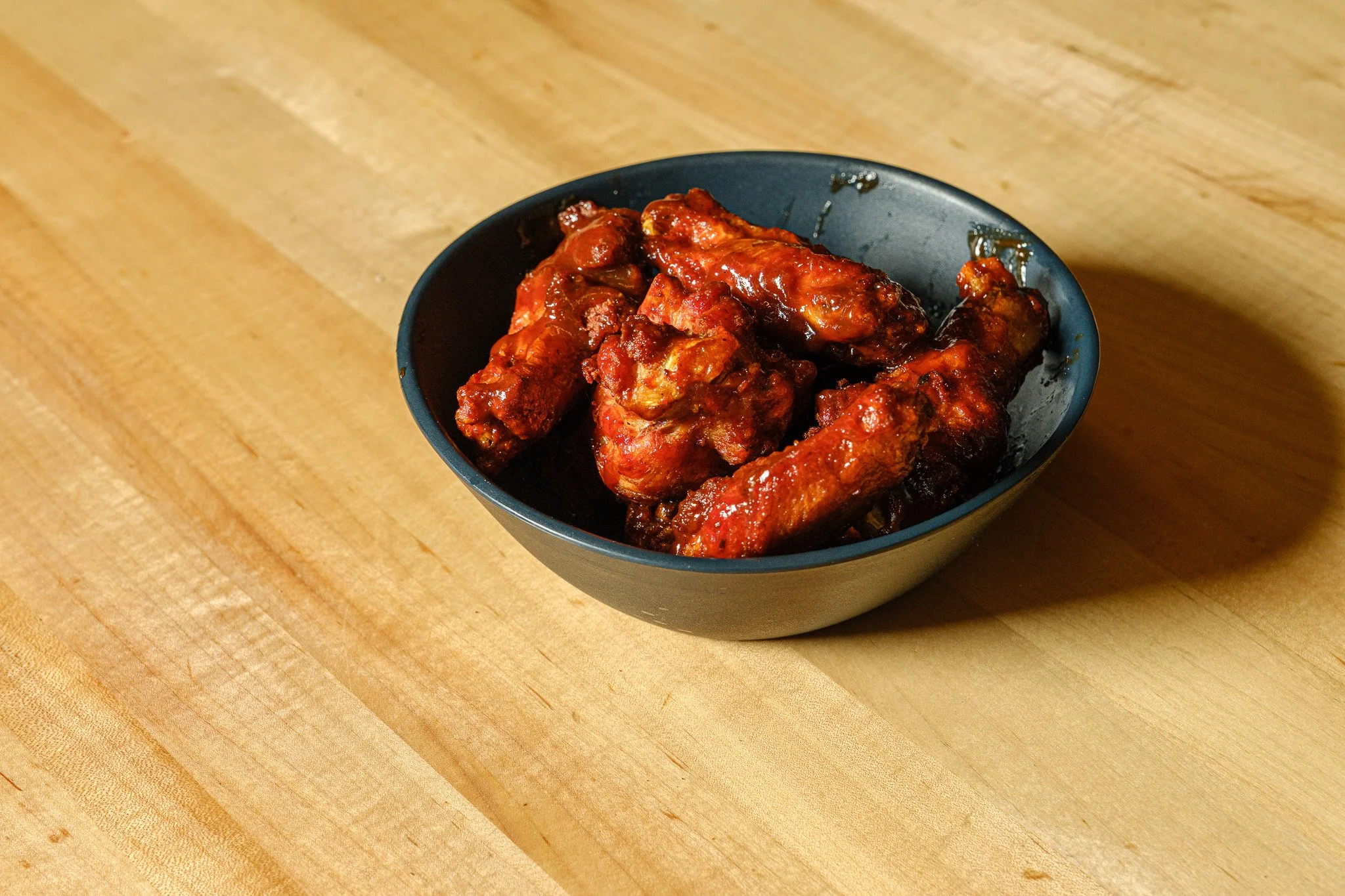
You’ve won many accolades in the annual Schenectady Wing Wars. What are you most proud of to date?
I’m proud of our ability as a counter-service fast-casual restaurant without deep formal culinary roots, to put our minds and competitive spirit into something and win when we commit to it. Whether it’s food competitions or business challenges, we often find ourselves up against very strong contenders. So far we’ve done a good job coming out on top!
In terms of accolades, the ones I’m most proud of are our Wing Walk and Soup Stroll victories. Even with all the press, news features, and business awards and recognition we’ve received, those wins mean the most because they’re such a clear testament to our team’s creativity, hard work, and the collective effort behind Simone’s Kitchen.
Where do you see yourself and Saucy Hospitality in the next 5 years?
I always say that if you have something good to share, you should share it with more people. And that is the energy behind our growth. In five years, I see us having more locations across upstate New York and starting to branch out into other Northeast markets. We’ll also be exploring other food styles — burgers, tacos, maybe even a full sit-down restaurant — and putting our stamp on those the same way we did with Simone’s. I don’t know the exact picture yet, but I do know we’ll be bigger, more present, and still growing with purpose.
Bashir, thank you for talking with The Dishing. Over the past couple of years, I have loved our conversations about industry changes and I’m looking forward to seeing how Simone’s, Lily P’s and Connie’s continues to grow!