
SEAN JOSEPHS, MASTER BLENDER of Pinhook Bourbon, talks about the Saratoga Maiden custom blend + why he thinks like a winemaker.
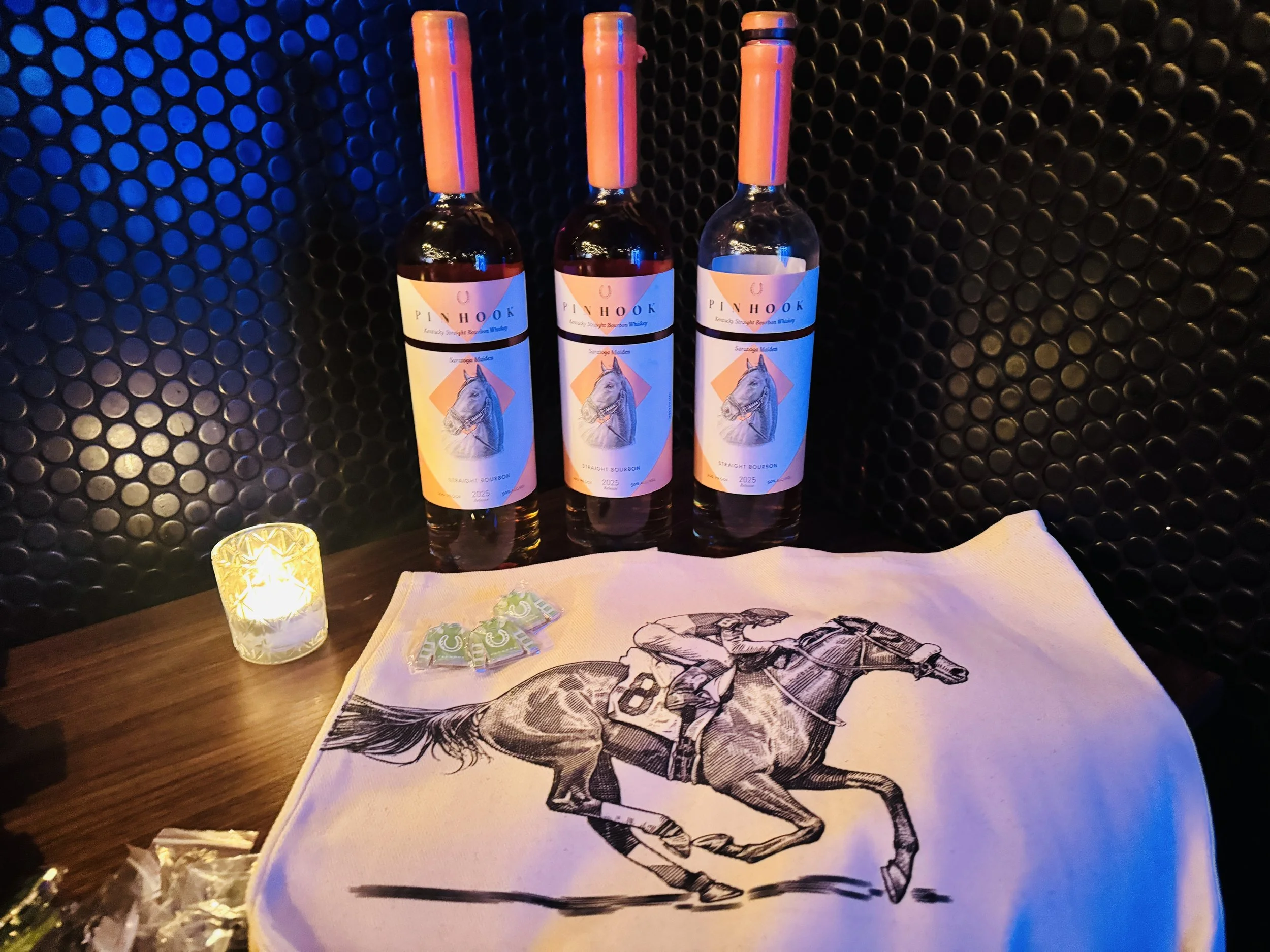
For the official launch of Saratoga Maiden at Lucy’s in Saratoga, we talked with the Pinhook Bourbon co-founder + master blender about creating a Saratoga blend, taking a winemaker approach, and the future of American whiskey.
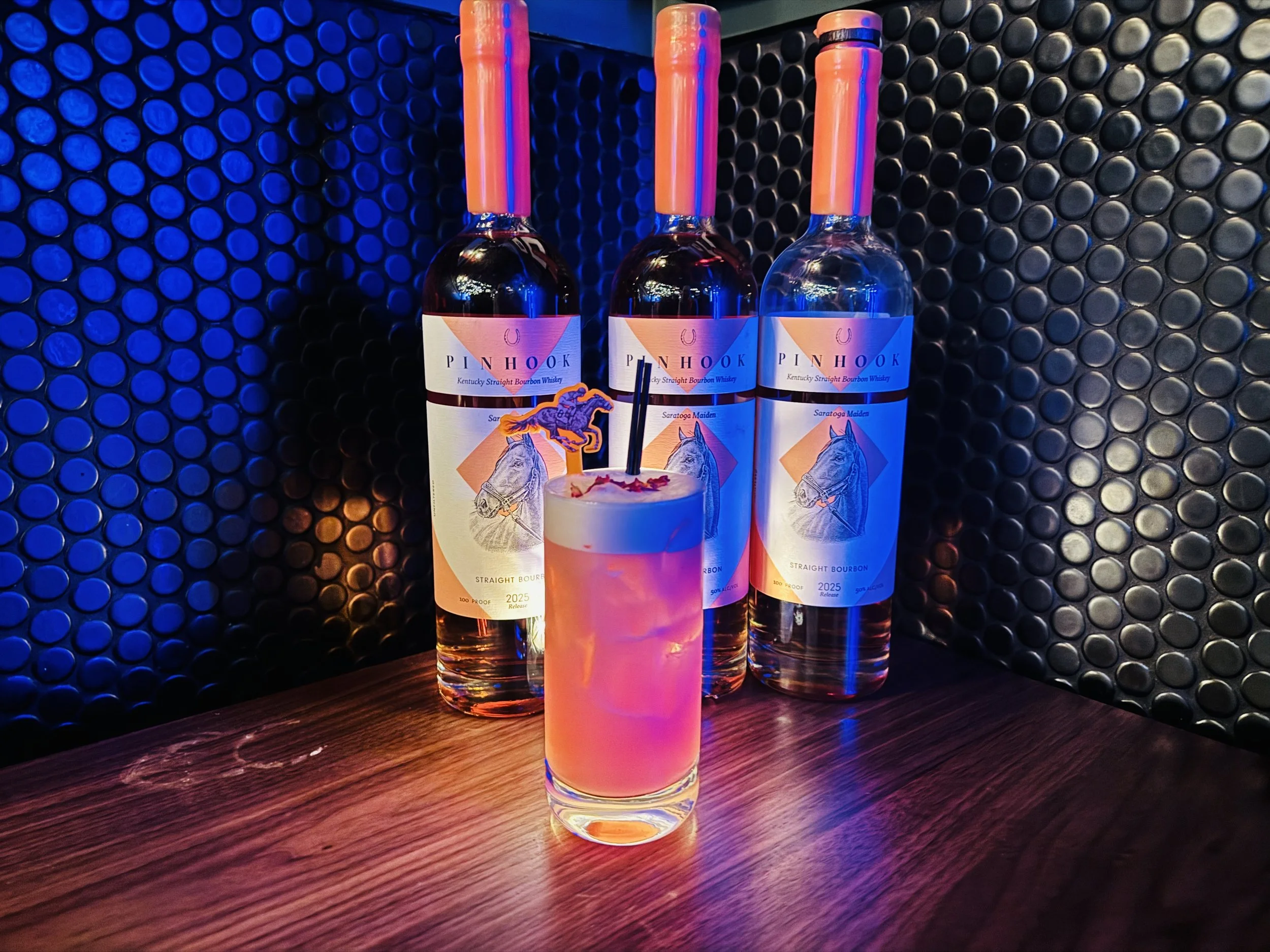
Fresh off its February 2026 launch, ‘Saratoga Maiden’ is on Saratoga bar menus + liquor store shelves. We asked Sean Josephs what makes Pinhook’s approach—and their Saratoga release— so unique.
Interview + photos: Susie Davidson Powell
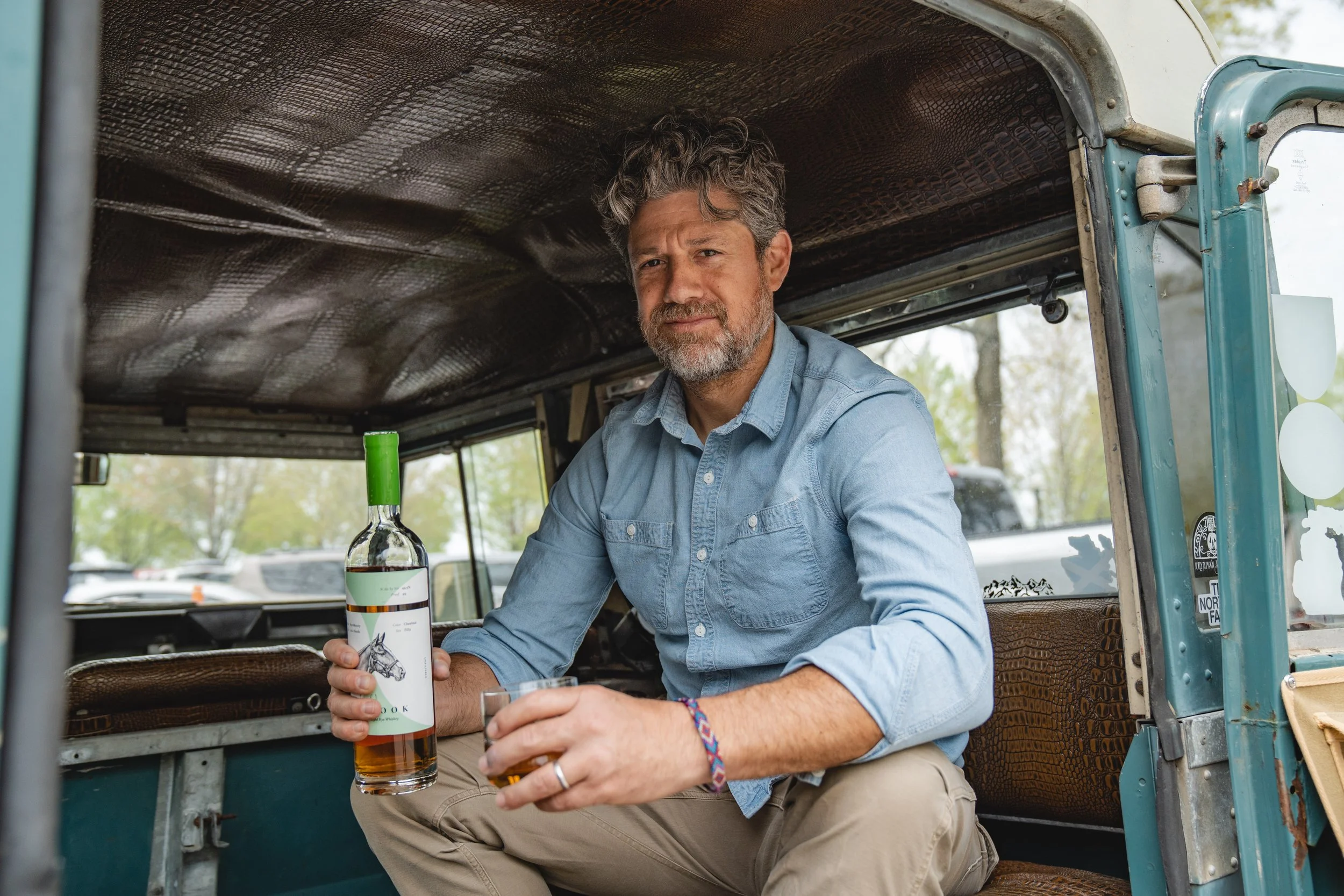
Photo of Sean Josephs provided.
In our wide-ranging interview, Sean Josephs shares the philosophy behind the Saratoga Maiden blended bourbon, a collaborative release created with Saratoga-area bartenders. Drawing heavily on his background as a sommelier, Josephs frames bourbon through a wine lens—emphasizing vintage variation, structure, and emotional connection over rigid flavor profiles. At the heart of Pinhook’s approach is the idea that whiskey, like wine, should express time and place. Rather than chasing year-on-year consistency, Pinhook embraces character and variability, releasing bourbons as annual vintages and allowing the differences between barrels to shape each year’s expression. This vintner mindset ultimately made the Saratoga collaboration possible: Without trying to match a set brand profile, Josephs invited them to blend what they believed would simply be the best whiskey for cocktail performance. The process allowed the bartenders to assess aroma and flavor complexity, balance, alcohol, texture, and finish.
What initially drew you to the idea of a Saratoga bourbon blend?
SJ: What felt aligned right away was the focus on people. Pinhook has always been about the humans behind the product, and Saratoga has a tight-knit bar and restaurant community. When I finally visited Saratoga last spring, it was immediately clear how strong that sense of community is. That made the idea of collaborating with local bartenders feel not just appropriate, but inevitable.
You’re the master blender at Pinhook. What gave you the idea to involve anyone else, particularly bartenders, in blending Saratoga Maiden?
SJ: Our entire philosophy is what makes this kind of collaboration possible. Most bourbon brands are built around protecting a fixed flavor profile. Well, we’re the opposite. We produce vintages, like wine, and embrace variation. That allows us to invite bartenders into the process and say, within certain guardrails like age, mash bill, proof, blend what you think is most delicious. Other brands simply can’t do that.
You often frame Pinhook’s approach through a wine lens. Why does that analogy matter?
SJ: Wine people understand vintage variation intuitively. Vintage creates an emotional connection and it anchors you to a moment in time. Whiskey traditionally hides variation; where wine celebrates it. I’m not claiming one approach is better, but vintage whiskey creates memory, context, and storytelling in a way that’s incredibly powerful.
How did the Saratoga bartenders influence the final blend? Were there any surprises?
SJ: The biggest challenge was scale—this was the largest group I’ve ever blended with. The key was shifting everyone away from any idea of “my blend” thinking. Once it stops being competitive, it becomes collaboration. We weren’t chasing notes or a pre-conceived profile. We focused on structure: complexity, balance, integration, texture, and finish. And yes, it did end up with some surprising acidity in the finish.
Can you explain what you mean by “structure” in bourbon?
SJ: I guess structure is what separates good from great. It’s complex aromas that keep unfolding, layered flavors, that harmonious notes on the palate, a long lingering finish, integrated alcohol, mouthfeel—all of that matters more than whether something tastes like caramel or apple. You can hit all those benchmarks and still end up with very different flavor expressions.
Did cocktails factor into the blending decisions?
SJ: Absolutely. This bourbon is meant to live in cocktails as much as being drunk neat or on the rocks. We brought in 12 barrels for them to taste and work with. When you have multiple blends that meet our quality benchmarks, cocktail performance becomes a deciding factor. As in how it will handle dilution, or stand up in an Old Fashioned or a sour. There’s no snobbery here. Bourbon and ginger ale? Totally valid.
For someone unfamiliar with Pinhook, how does the ‘Saratoga Maiden’ blend differ from your other bourbons or is that too hard to say?
SJ: They’re definitely family members. Same distillate, same barrels, same lineage—but each of them have distinct personalities. If you lined up Saratoga Maiden next to our flagship vintage and a couple other collaborative blends, you’d absolutely taste meaningful differences. It would be like siblings: same DNA, different expressions.
Pinhook’s name comes from thoroughbred racing. How does that philosophy continue to shape the brand?
SJ: Pinhooking is about buying young horses based on their lineage and potential, then nurturing them toward maturity. That’s exactly what we do with whiskey. We don’t distill our own bourbon. We source young barrels, take responsibility for the maturation and blending, and let them evolve. That transparency is important, too—since we’re proudly a non-distilling producer, we built that honesty into the brand from day one.
Each Pinhook vintage is named after a racehorse. Where did that idea come from?
SJ: Horses from the same lineage can look and perform completely differently. Barrels are the same way. Using horses as metaphors helps people understand that individuality. Plus, these are real horses—you can watch them race, bet on them. The story keeps unfolding.
The Vertical Series has become a hallmark of Pinhook. What makes it special?
SJ: It’s the most wine-like thing we do. We follow the same whiskey from age four to sixteen, releasing it year by year. Everything stays constant except the length of time in wood. It isolates wood as the variable and gives people a tangible education in how whiskey evolves.
You’ve been vocal about blending being underrated in American whiskey. Why is that?
SJ: Well “blended whiskey” got a bad reputation because it often meant neutral grain spirit mixed with bourbon. That’s not blending—that’s a category label. Blending as a craft is how great Scotch, Cognac, and Champagne are made. Everything is blended. Think about it, even the biggest producers are blending multiple barrels of the same spirit. American whiskey just hasn’t talked about it enough.
Do you see blending as shaping the future of American bourbon?
SJ: The best American whiskey might not exist yet—and it might be a blend across distilleries. Even within one distillery, mash bills rarely cross-pollinate. Imagine blending high-rye bourbon with something softer, or combining distillery signatures. There’s enormous untapped potential there.
What excites you most about innovation right now?
SJ: Blending across mash bills, using used wood, breaking bourbon rules intentionally. Bourbon is simple: corn, water, yeast, new oak. That simplicity makes it brutally honest. I always say bourbon is the roast chicken of spirits. Everyone’s had roast chicken. So everyone has an opinion on roast chicken. There’s nowhere to hide because everyone has an idea of what to expect. So, when it’s great, it’s unforgettable. The greatest roast chicken—or here, bourbon—they ever had!
Ha, that’s a great soundbite. And that’s why blending is compelling for you—making it unforgettable?
SJ: Exactly. The challenge and the joy is making the best version possible.
Thanks, Sean. I appreciate you talking with The Dishing + I’m happy to have tried Saratoga Maiden at the February launch.
🫒 THE DISHING INTEL: The next collaborative blending of Saratoga bourbon is scheduled for mid-April 2026.
* This interview has been edited for clarity and length.