MEET: CHEF JONAS OFFENBACH, SERRE at THE MAKER HOTEL
Executive Chef Jonas Offenbach on collecting cookbooks, world travel, building a team upstate + why Serre feels deeply personal
Interview : Susie Davidson Powell @susiedp
Photos: Victoria Sedefian/The Dishing @citrusforward
All photos ©️ TheDishing.com
Video: Dimity Jones
Location: Serre at The Maker Hotel, Hudson, N.Y.
Tastemaker: Executive Chef Jonas Offenbach | IG: @jonasoffenbach
Business: Serre The Maker Hotel | website: themaker.com IG: @serrerestaurant
Hometown: Flushing, NY
Current city: Hudson, NY
Listening to: Automatic, IDLES, Dead Kennedys
Favorite spirit: Whiskey
Favorite classic cocktail: Gin and tonic
Favorite bar or venue ever: Club Duce - Miami, FL
Biggest chef influence: Yannick Alléno
Industry trend that should end: My favorite trend is the end of trends. I'd rather see originality than imitation.
Welcome to The Dishing’s Quick Serve interviews where we talk matters of taste with tastemakers in the hospitality industry and trailblazers at the intersection of food, culture and art. Today we’re talking with Executive Chef Jonas Offenbach of Serre at The Maker Hotel in Hudson about collecting vintage cookbooks, his constant quest for learning, travel as inspiration + why Serre feels deeply personal after 20 years in the industry.
Thanks for talking with The Dishing, Chef. You’ve worked at celebrated restaurants from Gramercy Tavern and Contra in NYC to Matilda at The Hensen Hotel. When The Maker executive chef opportunity came around, what did you feel you could create here?
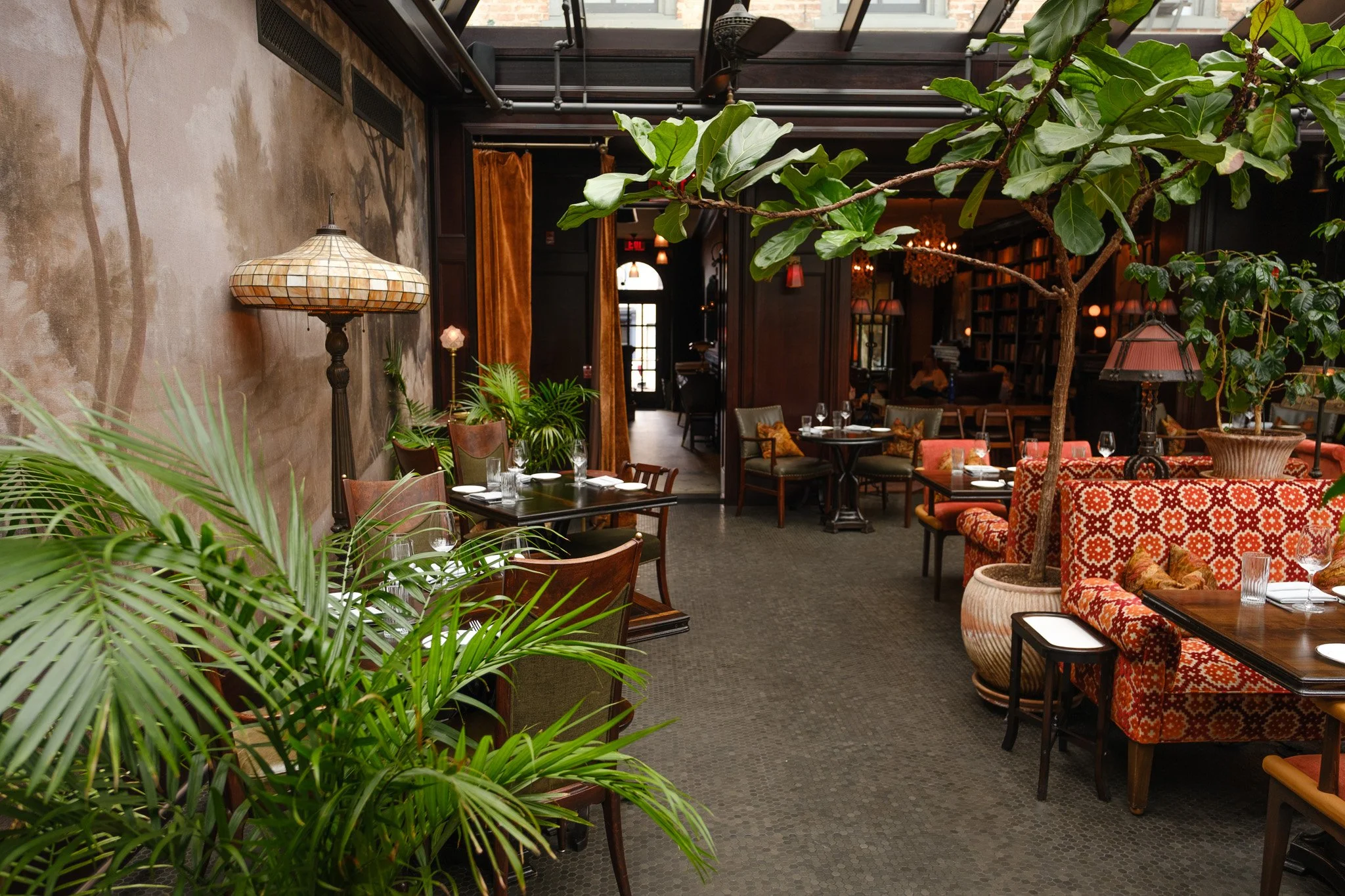
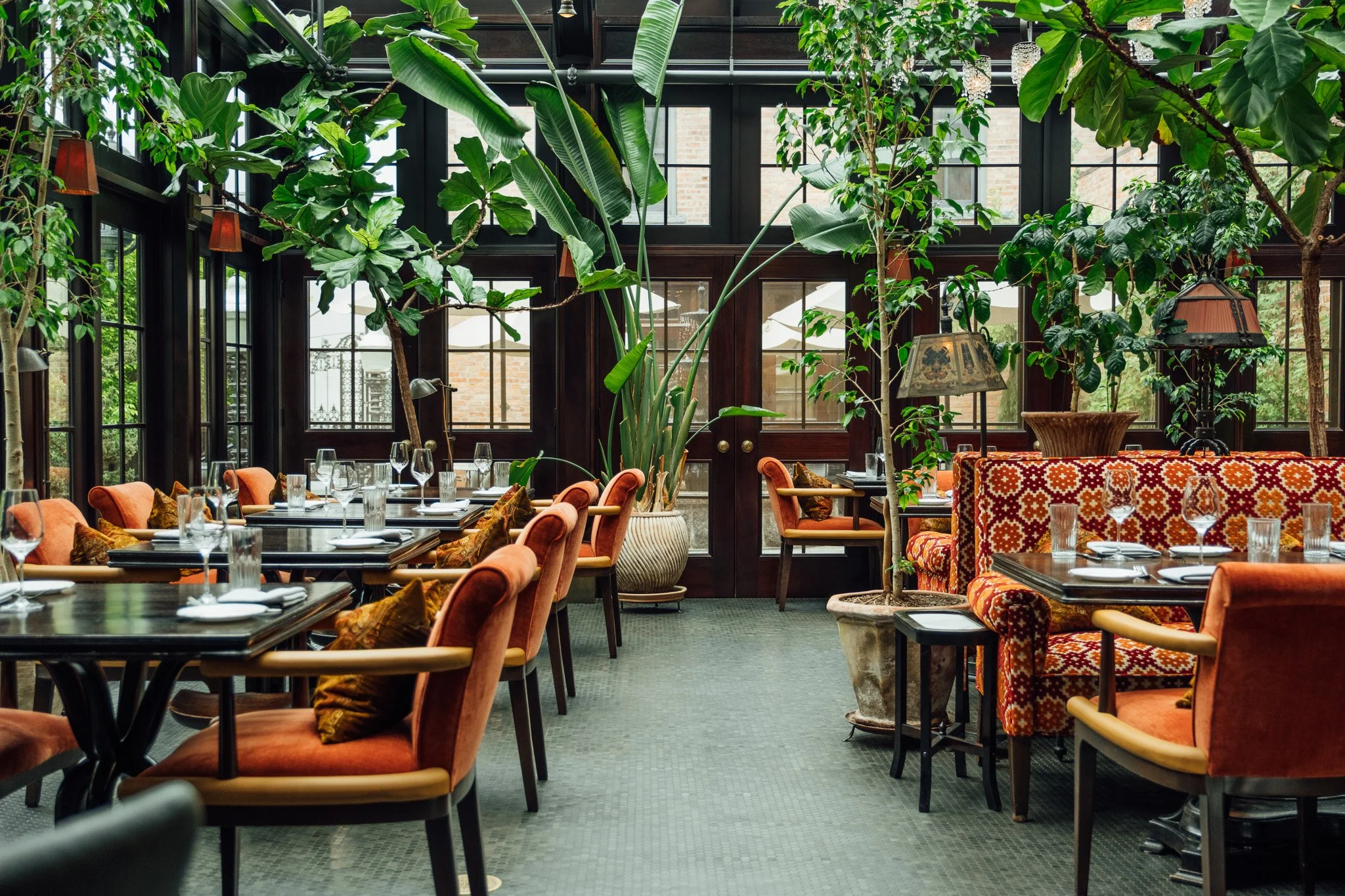
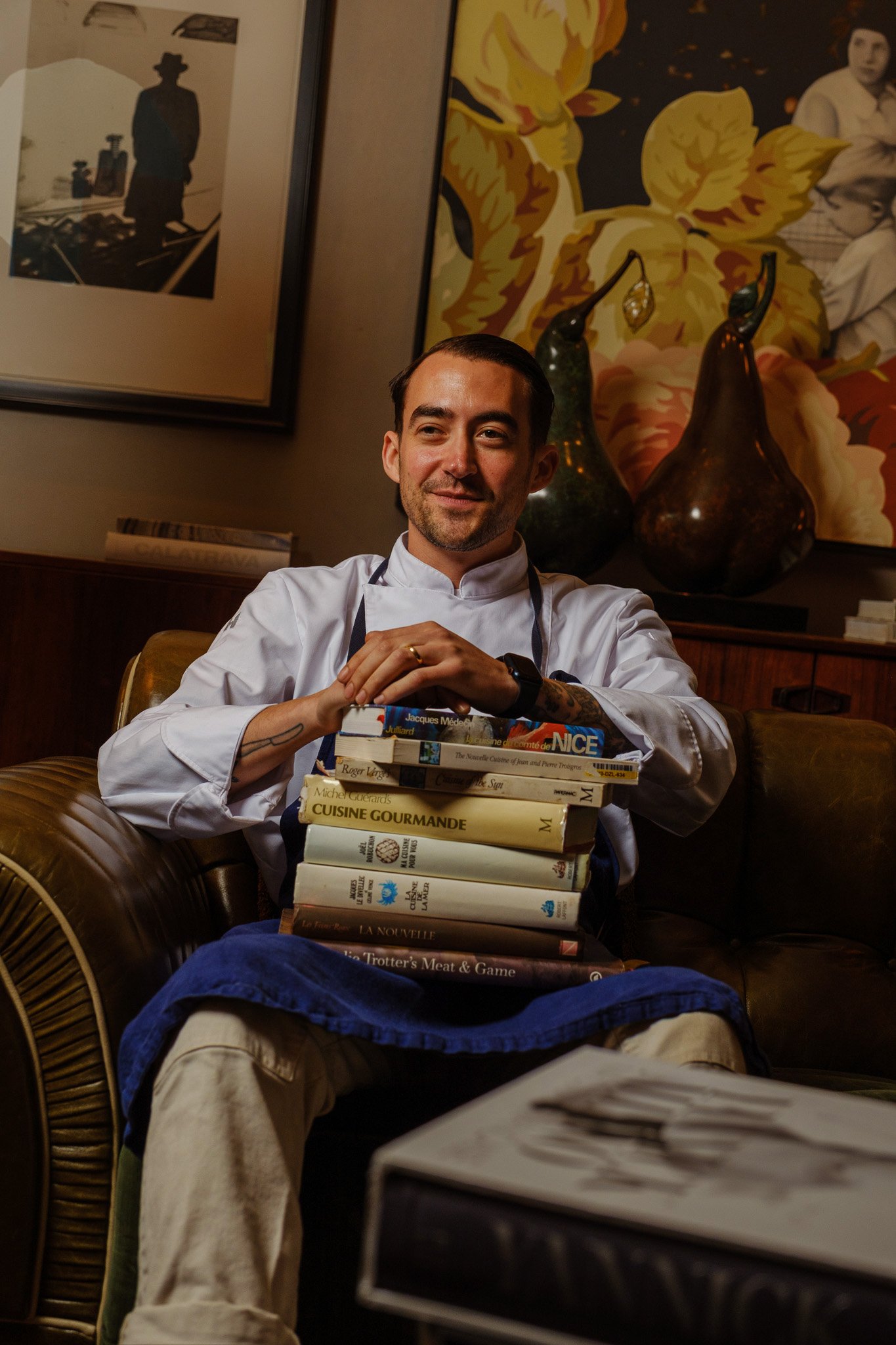
I think the whole backstory of Serre and the greenhouse and seasonality… of being able to change with the seasons, but a greenhouse definitely has a different climate to outside… so I feel like we can do things that aren't normally possible. I think I really felt anything is possible. I can put a stamp on it and take my inspirations from, you know, my classical French gastronomy, and make it my own.
While at Contra, you helped open its sibling Wildair in the Lower East Side and, post-pandemic, joined Chefs Fabian von Hauske + Jeremiah Stone upstate to open Matilda. How was the adjustment from NYC to running a Hudson Valley restaurant?
The adjustment was significant, but in many ways incredibly rewarding. In New York City, especially at places like Contra and Wildair, you're operating in an environment with an immense talent pool, dense infrastructure, and a dining culture that is deeply ingrained in people's daily lives. Moving to the Hudson Valley required a different mindset. At Matilda, we had to think more holistically about the restaurant's relationship with the community, the seasons, and the local agricultural network. Sourcing became more personal and direct, and understanding the rhythms of the region became just as important as understanding the menu.
From an operational standpoint, building and retaining a team required a different approach as well. The labor market is smaller, so investing in culture, training, and creating an environment where people genuinely wanted to grow became even more important. Creatively, I found the move inspiring. Being surrounded by farms, producers, and a slower pace allowed us to develop dishes that felt more connected to place. It reinforced the idea that great cooking isn't about geography—it's about relationships, seasonality, and attention to detail—and taught me how to adapt fine-dining standards for a different environment and create a restaurant rooted in its community.
The Maker hotel has a very clear brand identity and aesthetic. In thinking about your culinary direction and reimagining of the restaurant, where did you draw inspiration?
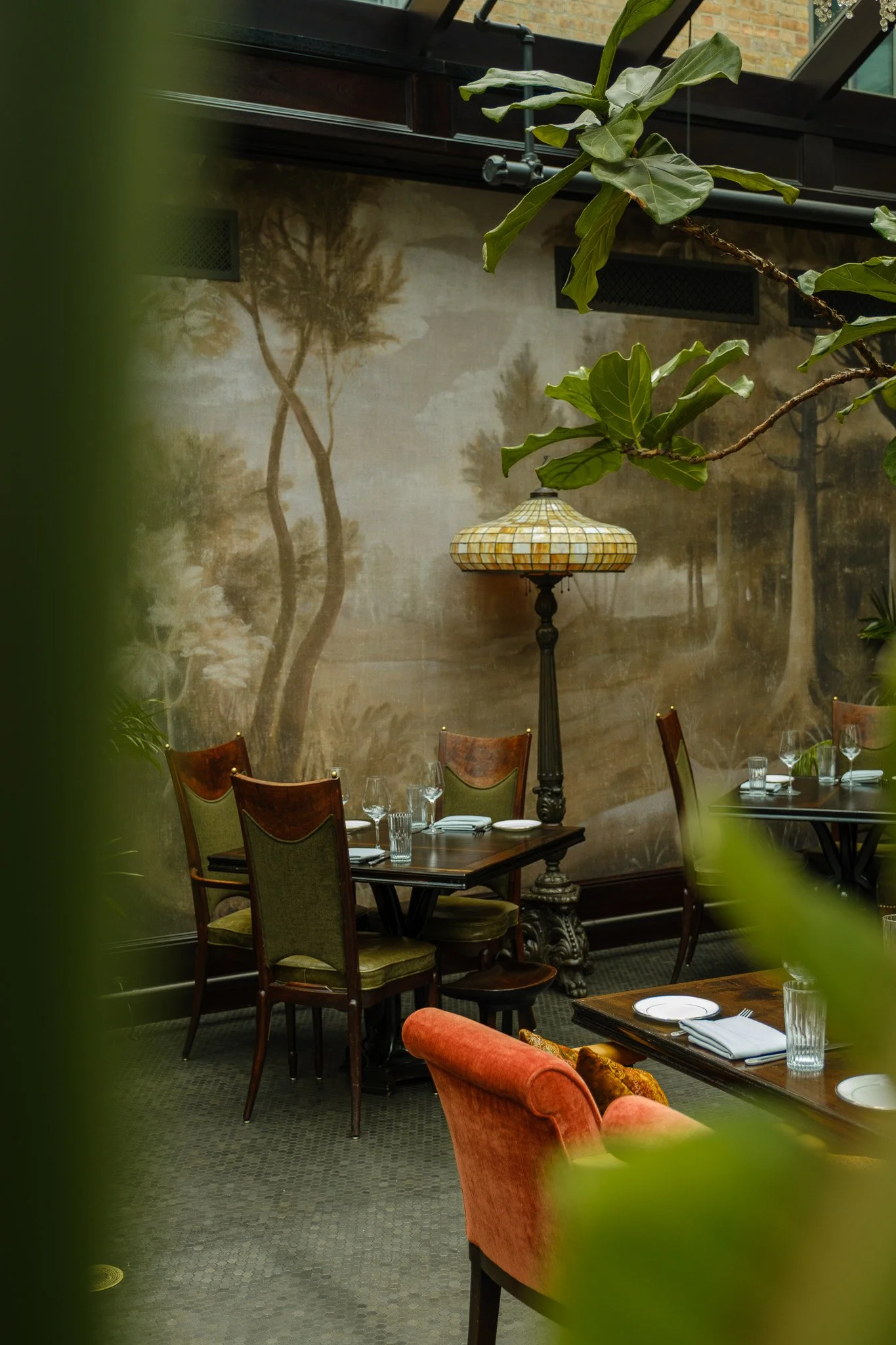
My inspiration for Serre was definitely the conservatory. It's a dining room encased in glass and I really think that the hotel has just such a big identity that the restaurant needed its own. So I thought of it as very similar to a greenhouse, like it’s got all plants everywhere in the sunlight– and fans too. It made me think about a greenhouse, and how everything is intentional, and everything is grown with a lot of care, with usually a lot of people looking after it. So I thought of that as that's pretty much how I cook, and how I create dishes, so that's real integration.
How would you describe Serre now?
The identity of Serre is deeply personal because it's the culmination of everywhere I've cooked, traveled, and learned over the course of my career. At its foundation, Serre is a French restaurant. The techniques, sauces, discipline, and structure of the menu are rooted in classical French cooking. That's the language I speak most naturally as a chef. But the restaurant isn't interested in recreating the past or adhering to a rigid definition of what French cuisine should be. We try to create food that feels elegant but approachable, refined without being precious. We focus on exceptional ingredients, thoughtful technique, and dishes that allow each component to have a purpose. Rather than layering flavors endlessly, we're often asking ourselves what can be removed and how we can make an ingredient speak more clearly.
The menu changes constantly with the seasons, but the throughline is always the same: French craftsmanship viewed through a contemporary lens, informed by a global perspective and a deep respect for the Hudson Valley's farms and producers. I want guests to leave feeling that the food is familiar enough to be comforting, but distinctive enough that it could only come from Serre.
When we first chatted, I was struck by your awareness that you’re “constantly learning” and “refuse to be average.” Were you born for this career?
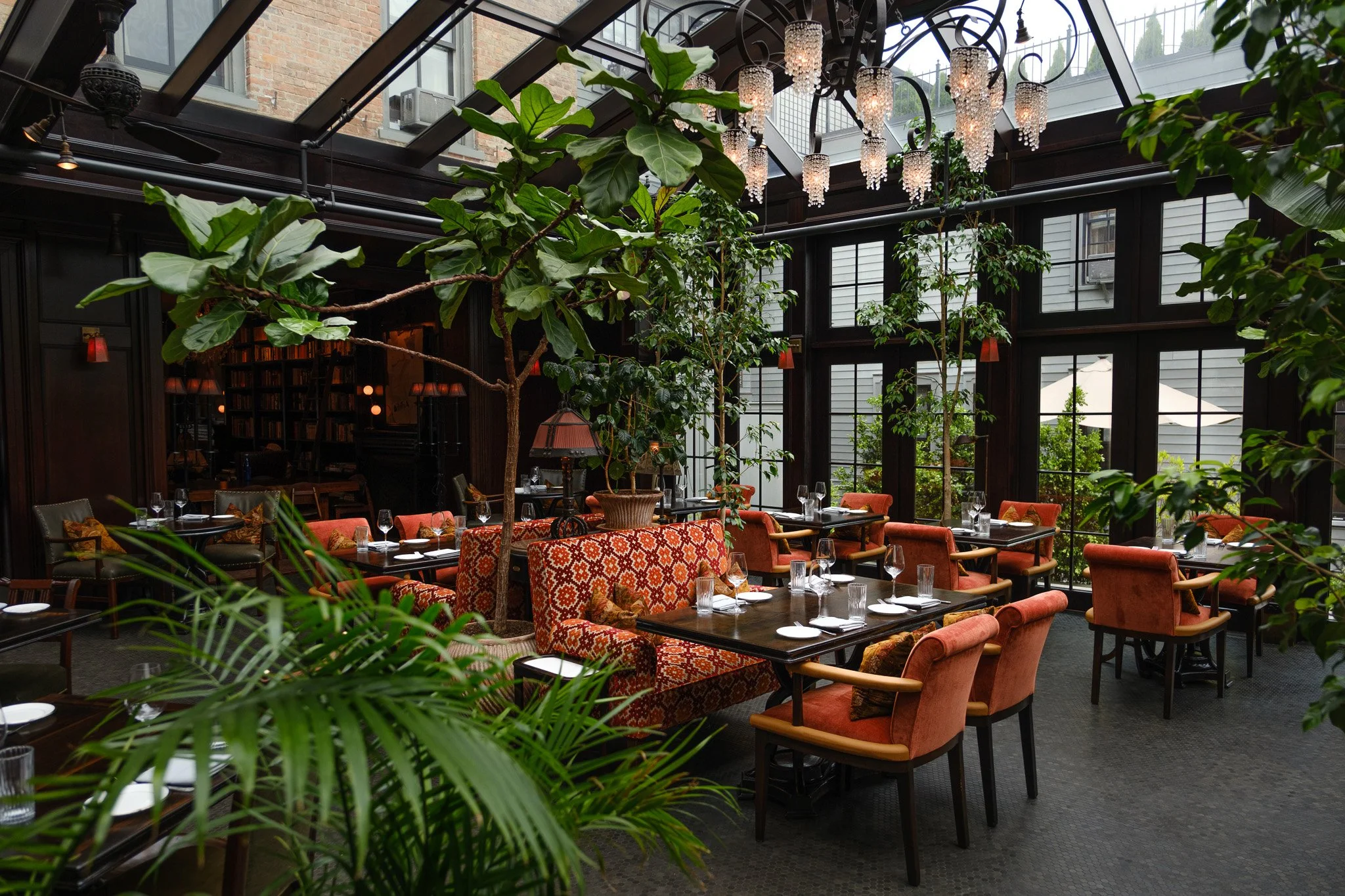
I feel like I was born for this because I think the kitchen, for me, is the perfect place to be. It has a lot of structure, a lot of discipline. And it takes years. It's a craft, so at the end of the day, it's something that I can really focus on and hone in. And I love working with my hands, and I think that I always compare cooking to music, like there's so much music to learn from and there's so many different styles of cuisine and different styles of cooking that you can learn from. So I feel like it's an endless learning journey.
For sure. I think of chefs as storytellers, putting ideas and experiences on a plate, and–as you mentioned—the same can be said for music. You’re also an avid collector of cookbooks. What is it about sitting with cookbooks that pulls you in?
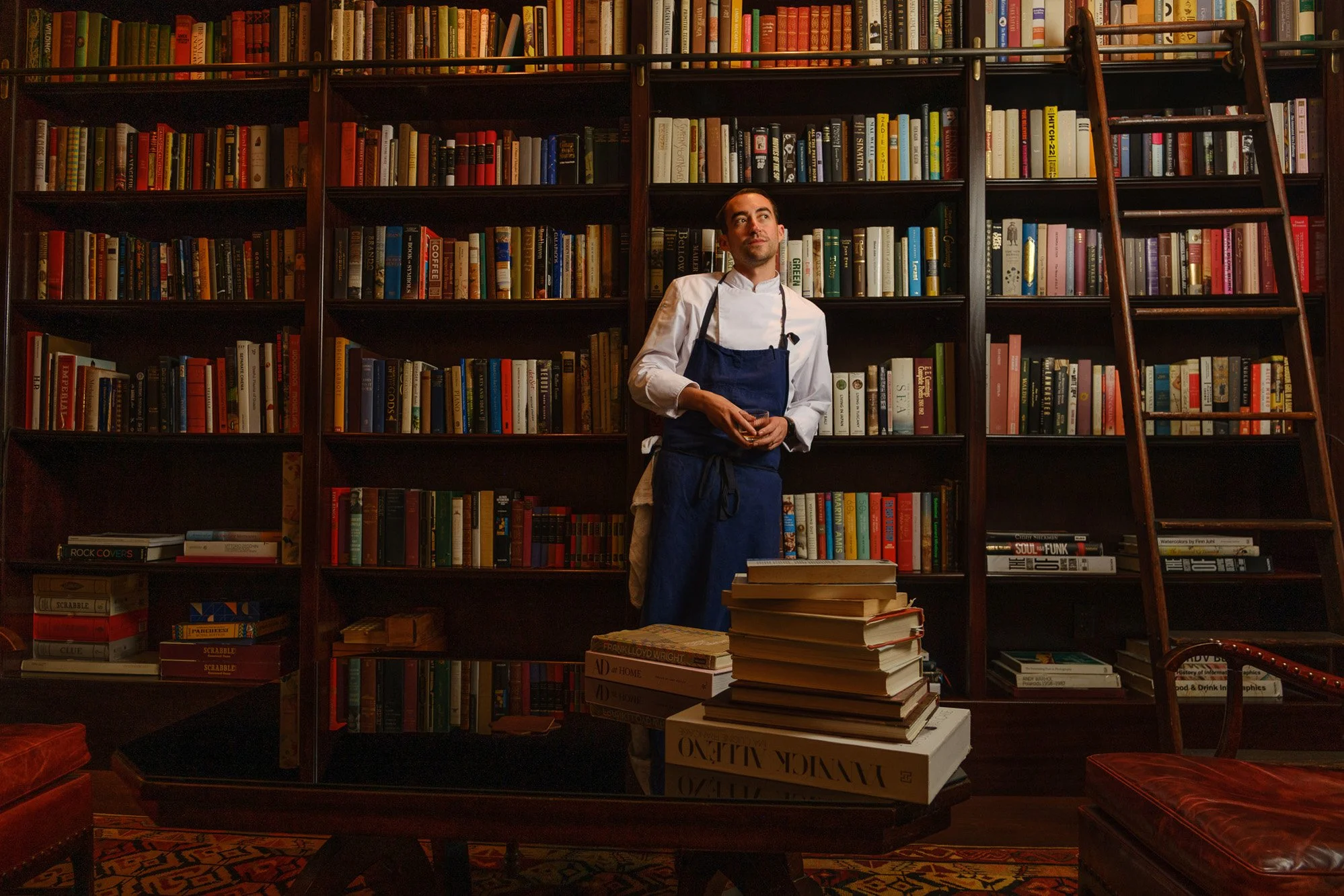
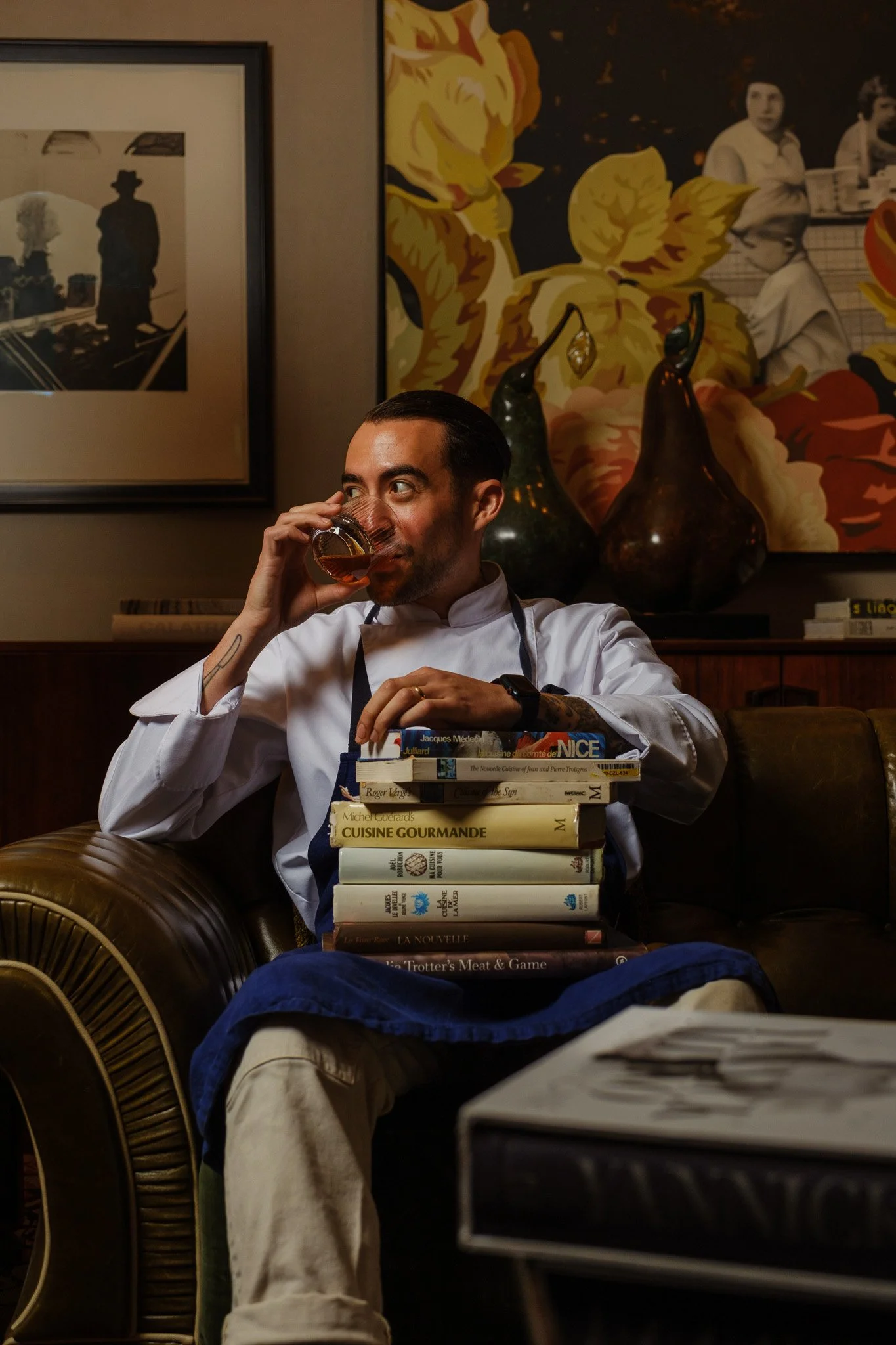
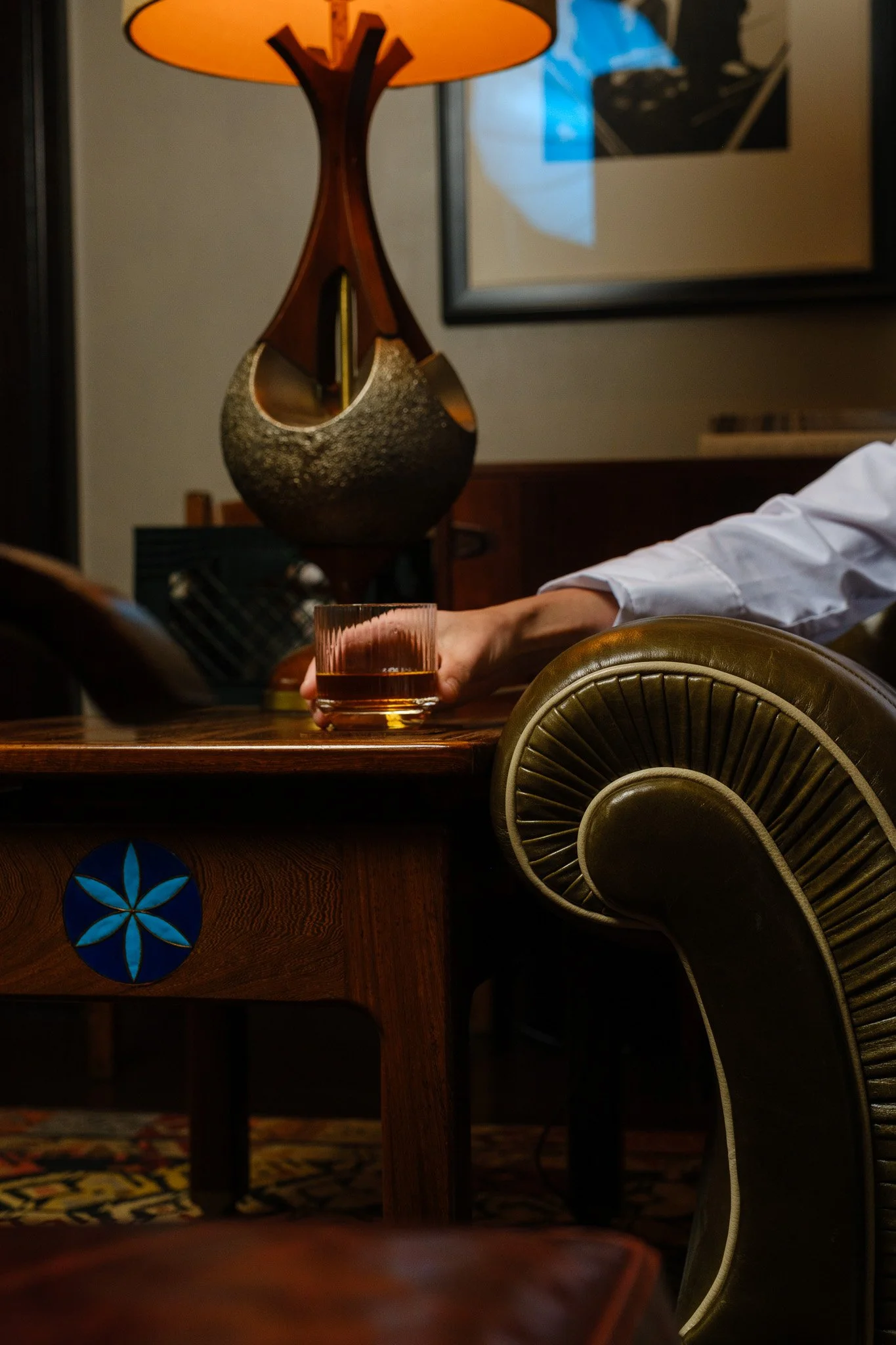
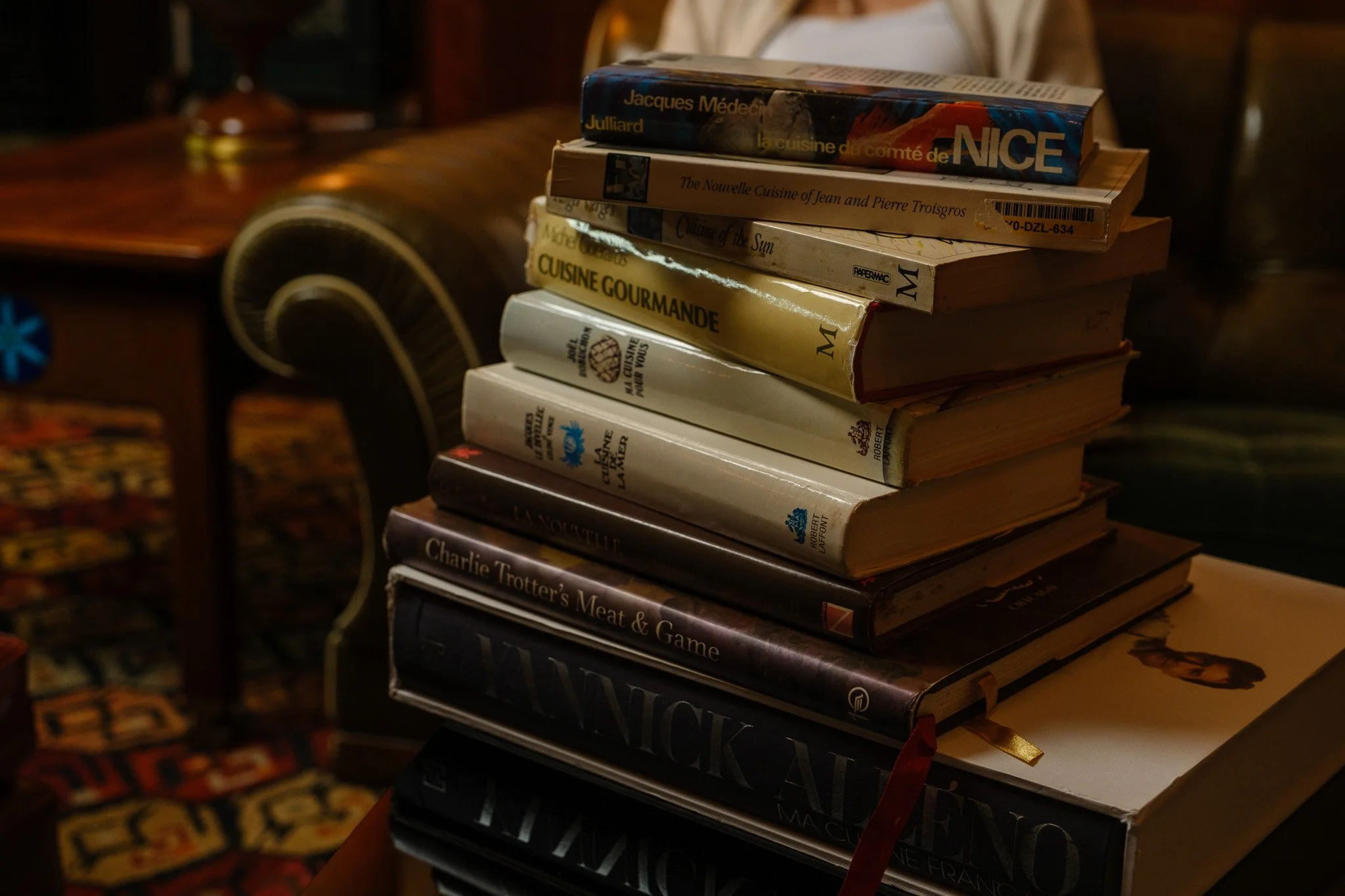
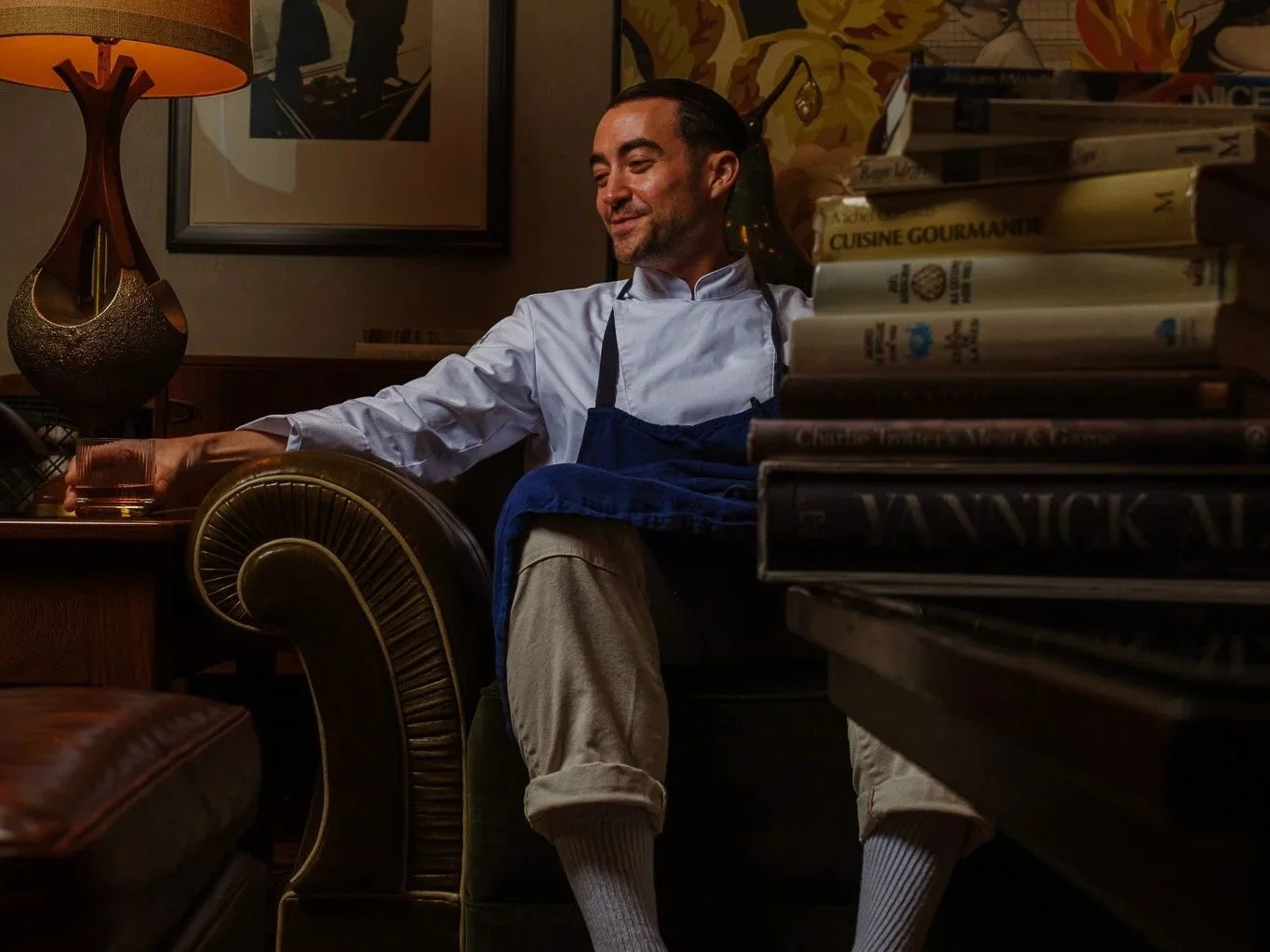
Sitting in front of a bunch of cookbooks for me is the way I normally usually come up with dishes. And it doesn't have to be a recipe. It doesn't have to be an ingredient. Maybe it's the shape of an ingredient, or maybe it's the way something's plated, but… You know, not all cookbooks have all these pictures and most of the cookbooks I have are very old and most don't have pictures. So, I like to read these old cookbooks and kind of envision myself cooking, or how I would do it and kind of twist it that way. That's where a lot of the inspiration comes from.
You have lived all over the world staging or opening restaurants. Did you always have a nomadic wanderlust or are you constantly looking for new culinary experiences?
I've always been driven more by curiosity than wanderlust. Travel was never about collecting stamps in a passport—it was about understanding how different cultures think about food, hospitality, and ingredients. Early on, I realized that some of the best education happens outside of a classroom or even the restaurant you're working in. That led me to seek opportunities abroad, staging, opening a restaurant in Singapore, and traveling throughout East Asia.
I staged in Paris and London: Paris has such a deep appreciation for discipline, technique, and the importance of tradition. In London, they have such a incredible international culinary scene where ideas and influences from all over the world coexist. And then Singapore was transformative because it sits at the crossroads of so many cultures. The diversity of ingredients, flavors, and culinary traditions challenged me to think beyond the framework of classical European cooking. Some of my most memorable experiences were in markets across East Asia. I became fascinated by the reverence for seasonality, the incredible variety of products, and the direct connection between producer, vendor, cook, and guest. Walking through markets in Taiwan, Thailand, or Singapore often taught me as much as a day in a professional kitchen.
What I took away from it was an understanding that great cooking can look very different depending where you are. Every culture has its own definition of refinement, generosity, and hospitality. Learning to appreciate those differences made me a more thoughtful cook and, I think, a more open-minded leader. And it continues to influence my approach to food. Even when I'm cooking within a French or European framework, I'm constantly drawing on lessons from my travels—whether it's a respect for ingredients, a sense of restraint, or an awareness that the most impactful dishes are often the simplest.
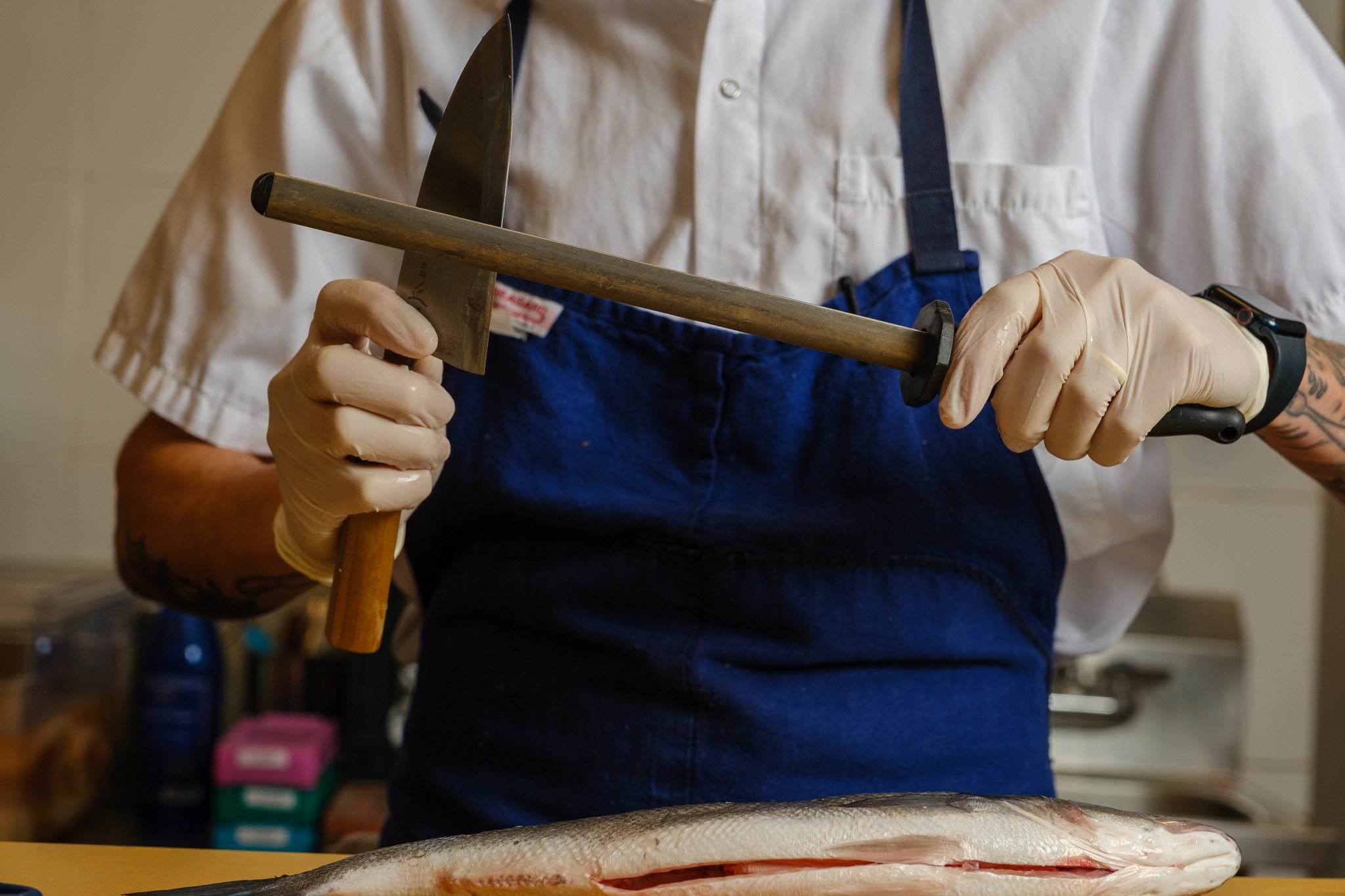
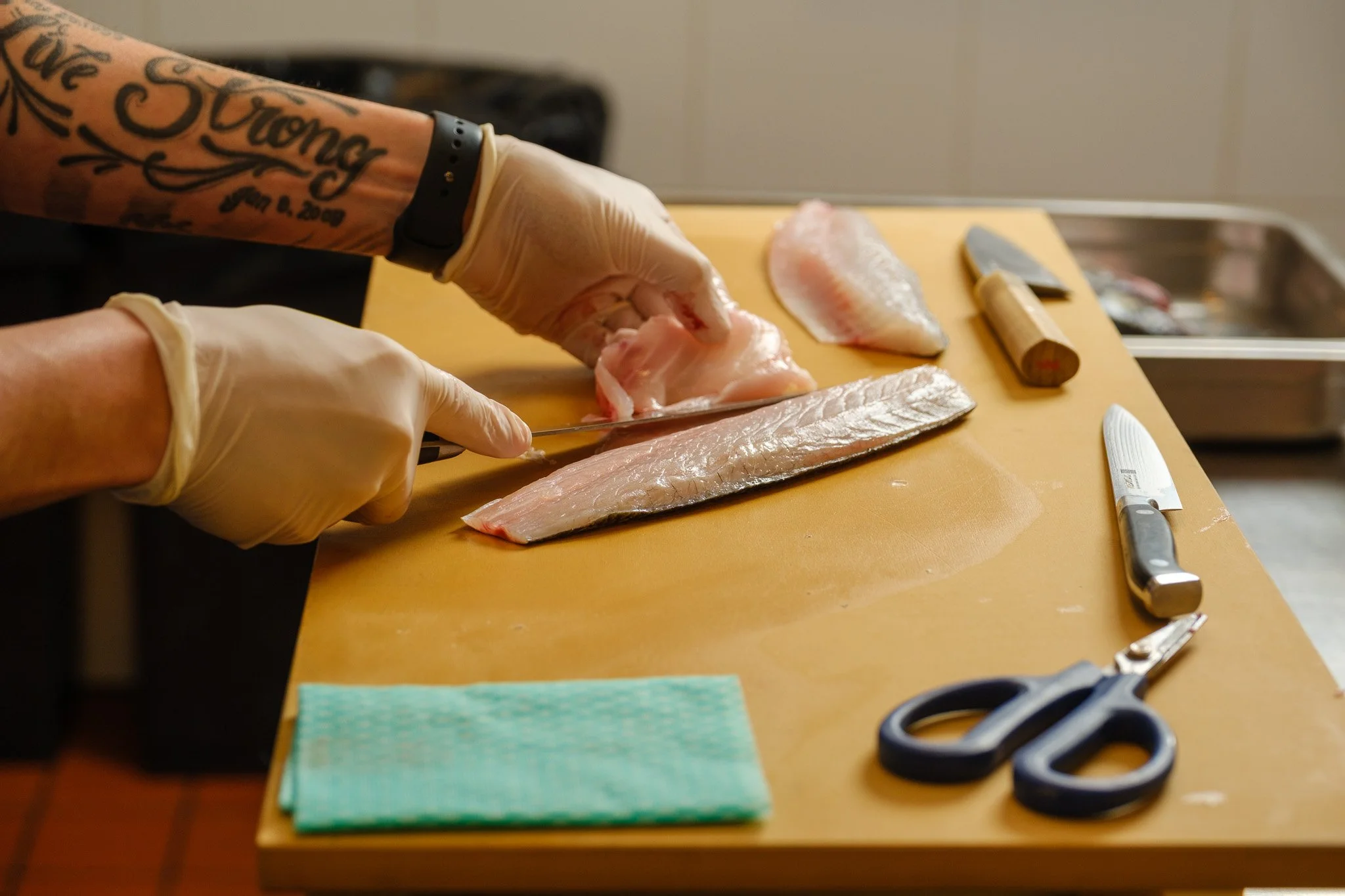
You were a first year student at Johnson and Wales before being scooped up by the chef at Gramercy Tavern in NYC during an externship. You’ve worked at an impressive line up of restaurants and assisted in opening others all over the world... How did the pandemic alter your path?
It forced me to reevaluate what I wanted both professionally and personally. Up until 2020, my career had been defined by a relentless pursuit of growth within restaurants. I had been fortunate to work at incredible places—Gramercy Tavern, Charlie Bird, Contra, and ultimately Momofuku Ko. The trajectory was always forward, and the industry rewarded that momentum. When the pandemic brought everything to a halt, it was the first time in my adult life that I wasn't operating at full speed. What initially felt like uncertainty became an opportunity to explore different paths. I spent time in Aspen as a private chef, which exposed me to a very different style of hospitality—one that was more intimate, personal, and centered on creating experiences outside the traditional restaurant setting.
At the same time, I was also helping to organize pop-ups in Aspen and later Miami with Nakazawa. Those projects reminded me of the creativity and flexibility that first drew me to cooking and allowed me to build something from the ground up, connect directly with guests, and collaborate with people outside of the usual restaurant framework.
Most importantly, that chapter also led me to meet my wife! Looking back, that's the moment where my priorities began to evolve. Success was no longer defined solely by the next restaurant or the next position. I started thinking about building a life alongside building a career. That perspective carried with me when I reunited with Fabian von Hauske and Jeremiah Stone to open Matilda in the Hudson Valley. The project represented a chance to create something ambitious while embracing a different pace and stronger connection to community, agriculture, and quality of life.
And then you started a family…
Yes, in 2025, my wife and I welcomed our first child, which again reshaped how I think about both work and success. Becoming a parent has given me a greater appreciation for balance, perspective, and the importance of being present. It hasn't diminished my ambition as a chef, but it’s broadened my definition of what a fulfilling life looks like. A career doesn't exist in isolation. The pandemic pushed me to embrace opportunities I never would have considered, which led to my family and helped me become not only a better chef, but a more complete person.
We’re always interested in talking about industry burnout and wellness. How do you manage that work/life balance and what do you do to relax?
I think the conversation around burnout has changed a lot over the course of my career, and for the better. Earlier on, there was almost a badge of honor attached to working endless hours and sacrificing everything for the job. As I've gotten older and taken on leadership roles, I've realized that longevity is far more important than intensity.
Restaurants will always be demanding. There are long hours, high expectations, and a constant pursuit of improvement. I've learned that the key isn't necessarily finding perfect balance every day, but building a life that is sustainable over the long term. For me, travel has always been a way to recharge…and seeing how other people approach hospitality reminds me why I fell in love with this profession. Reading cookbooks is another outlet. Even after all these years, I still find inspiration in learning how other chefs and cultures think about food.
Plus, living in the Hudson Valley has also changed my perspective. Spending time outdoors, being closer to farms and nature, and having a little more space than I had in New York City has been incredibly grounding. I've found that taking care of yourself is part of being a better chef. The more curious, energized, and present you are as a person, the more you can bring to your team, your guests, and your work.
We often ask chefs and bar directors about their tattoos. I’m curious if yours connect to your travels or career?
I don't have many food-related tattoos. The only one that really connects to my career is a fork and knife that I got a long time ago. For me, tattoos are tied to travel. When I'm in a new place, I love seeking out artists whose work I admire and getting tattooed as a way to connect with that place and the people who live there. It's something I wouldn't have the opportunity to experience if I stayed home. Years later, the tattoo becomes less about the image itself and more about the memory, the artist, and where I was in life at that moment.
If you were traveling, what would be three spices or ingredients you would always bring?
My first answer is none! I spend most of my life cooking, so travel is an opportunity to be a guest and learn from other cultures through food. But if I had to bring three ingredients, they'd probably be good sea salt, a great olive oil, and a bottle of acid—maybe a vinegar or preserved citrus product—because those are the ingredients that can elevate almost anything without changing its identity.
What was the last dish you ate that inspired you?
The older I get, the less I'm inspired by novelty and the more I'm inspired by restraint. A dish doesn't have to be groundbreaking to be memorable. When someone understands an ingredient deeply and knows exactly when to stop, that's inspiring to me.
Imagine your ideal day or night out. If you could be anywhere in the world with no limits on costs or reservations, where would you be and how would the day or evening unfold?
My ideal night isn't about luxury—it's about curiosity. I'd spend the day wandering through a market somewhere on the Mediterranean, buying ingredients from people who grew, caught, or made them. Then I'd cook a meal with friends, eat outside near the water, drink great wine, and lose track of time. The older I get, the more I think the best experiences are the simplest ones done exceptionally well.
Where are three of your favorite spots in the Hudson Valley or Capital Region for breakfast, lunch, and dinner.
For breakfast, Arango Cafe in Kingston. For lunch, Cafe Mutton. For dinner, Casa Susanna. Both in Hudson.
[Ed. note: Casa Susanna is reopening under the same chef and ownership as Pez.)
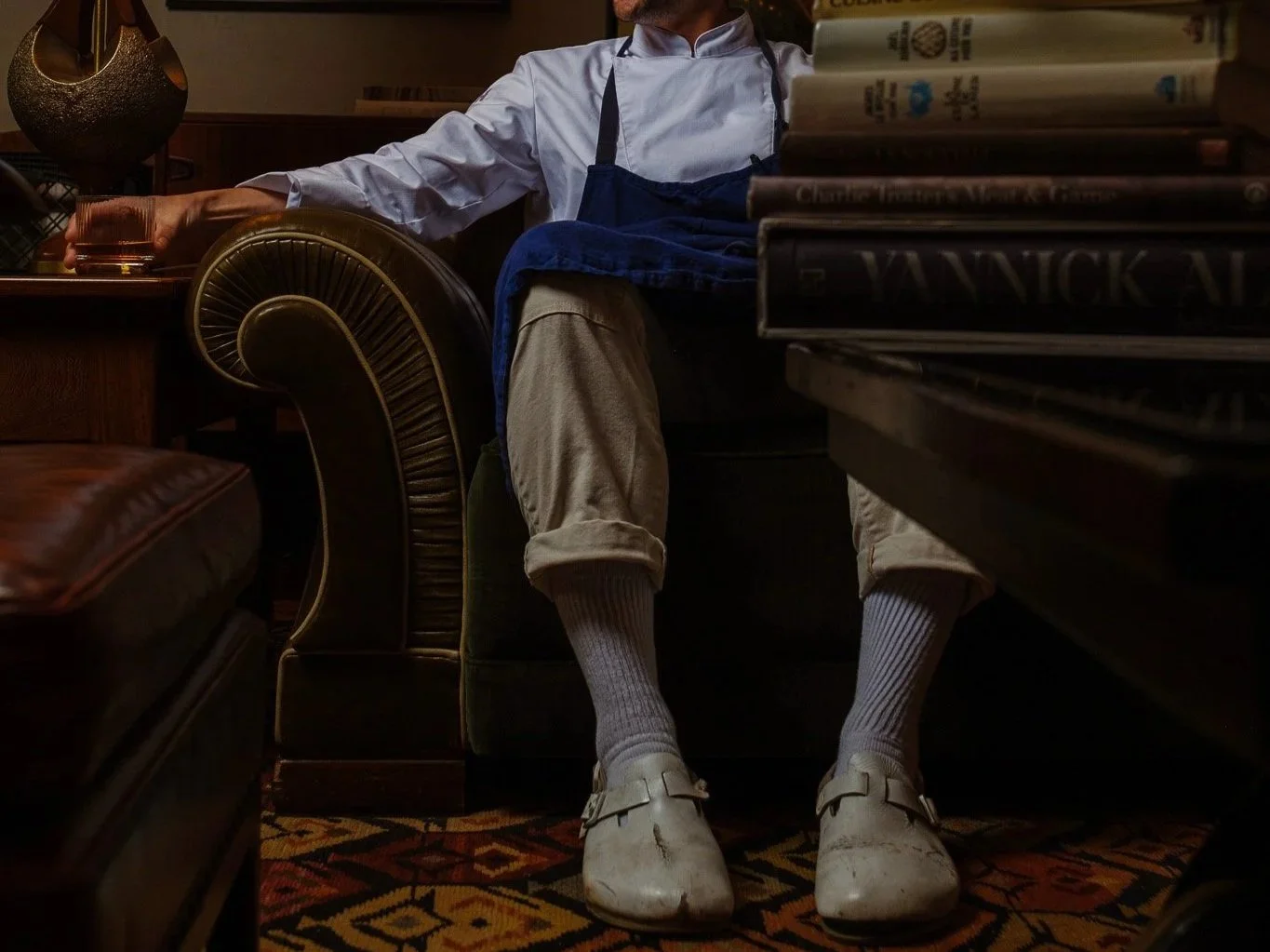
Awesome. Thanks for talking with us today, Chef! We loved the library shoot capturing your connection to vintage cookbooks, so thank you for bringing in some of your favorites.