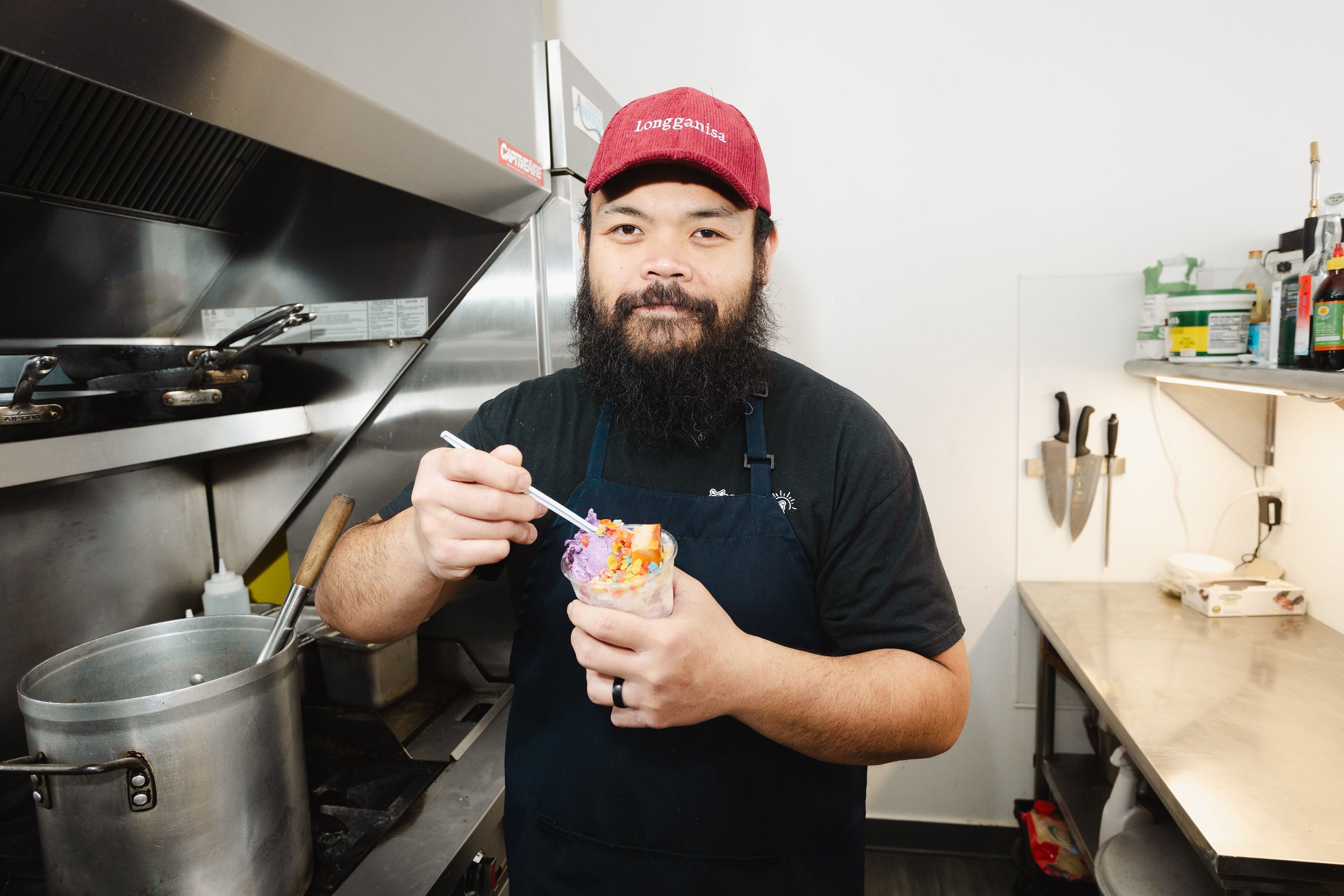
MEET: CHAMP PERALTA, Cheebog
Filipino chef, Champ Peralta, talks about taste memories, affordable pricing + why the answer to everything is keeping it real.
Interview : Susie Davidson Powell
Photos: K.D.O Photography/ The Dishing
Location: Chee-bog, Cohoes, N.Y.
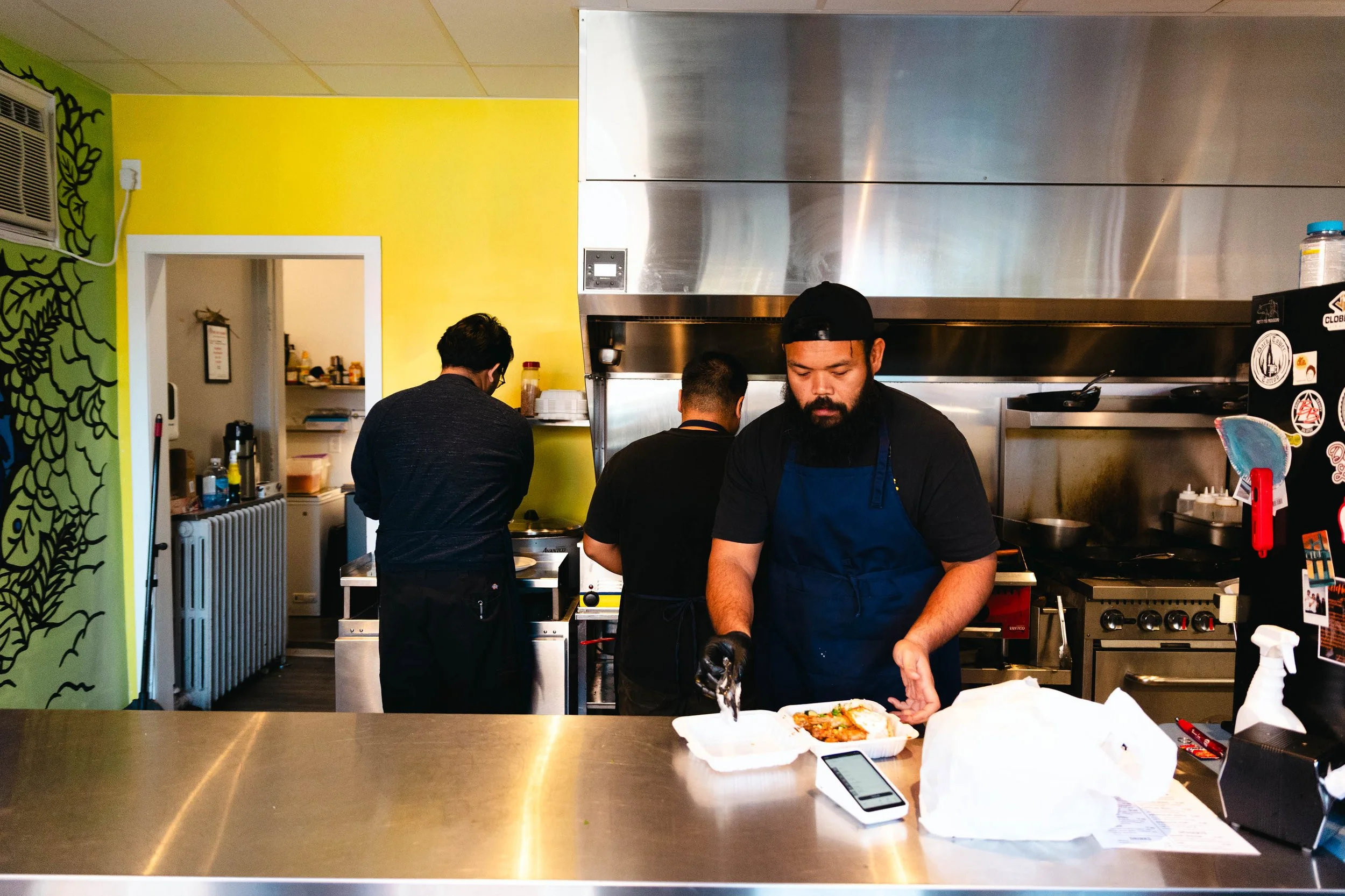
Tastemaker: Champ Peralta
IG: @cheebog518
Role: Owner/dishwasher!
Where: Cheebog, Cohoes
Hometown: Cagayan de oro, Philippines
Current city: Rensselaer
Personal style: Uncle/dad style!
Listening to: Sam and Dave, St. Paul and the Broken Bones, AC/DC, Griselda, Bayani Agbayani, Stephen Wilson Jr.
Favorite classic cocktail or non-alc drink: Gin Pom
Coffee or tea – and what’s your order: Stewart’s coffee half n half with scratch offs!
Biggest professional industry influence(s): Dale Hajdasz of Pretty Pig Provisions, Josh Tu and Nick Ruiz of Chee-bog
Industry trend that should end: Doing it for social media and sinigang ramen
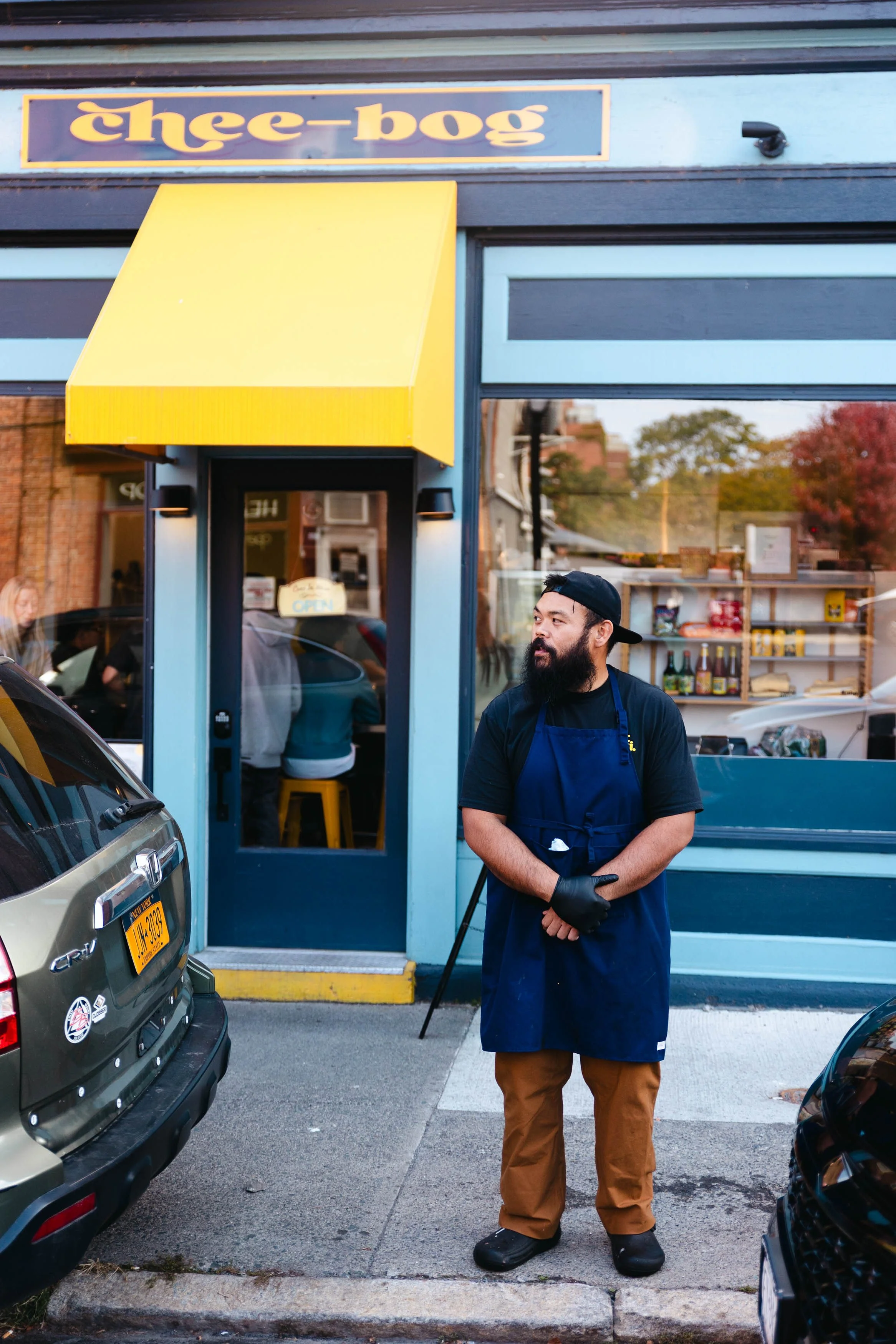
Welcome to The Dishing’s Quick Serve interviews where we talk matters of taste with tastemakers in the hospitality industry and trailblazers at the intersection of food, culture and art. Today we’re talking with Champ Peralta, the chef-owner of Cheebog, a tiny (literally) Filipino eatery in Cohoes, N.Y. The space at 300½ Ontario St. in Cohoes (the low building squashed between far taller ones reminds me of the bizarre half-height 7½ floor in the Spike Jonze movie "Being John Malkovich") was formerly the Tiney Diney and it’s name - Chee-bog — is the phonetic spelling of “Chibog,” the Filipino slang word meaning “to eat.” Champ’s recipes are not handed down from family but his interpretations based on sight and smell memories of his grandmother’s kitchen and her nearby convenience store where she cooked breakfast and lunch. He talks with us about cooking, hosting kamayan feasts + the quest for a work/life balance.
Champ - Salamat po! Thanks for talking with The Dishing. Let’s get into it!
Your business story starts in 2022 when you took over the former Tiny Diney, the most diminutive building in Cohoes, after spending about a year test-driving your Filipino concept as a pop up. So I want to start with your announcement in late 2025 that you’ve put the building up for sale and plan to switch Cheebog from a brick-and-mortar karinderya to pop ups and private catering, maybe a food truck. Was that a hard decision? What led up to it and is there a timeline?
It was a hard decision, but it’s time to move on to the next step. Our guiding star has always been our family. In this season of life we want to have more flexibility so we can be more present for our kids and also take care of our health. While we will eventually close our storefront, Chee-bog will continue to live on through pop-ups and private events. The timeline depends on when we sell the building.
There are many ways that the pandemic impacted the hospitality industry. You’ve spoken about the long hours that go into running Chee-bog as both an entrepreneur and solo chef in the kitchen. Lately we’ve seen you being pretty creative in collaborating with Kingston’s Mexican pop up, Los Hermosas. How did that come about and has it helped?
I met Steve from Los Hermosos last year, and I think we share the same heart for food and the love of feeding people. They’re good people so working with them just came naturally. It’s helped me see what being in the kitchen is like from a completely different angle. Sometimes they take over the kitchen. This week we’re collaborating on a fusion Mexican-Filipino menu with them.
We ask our industry tastemakers how they juggle their work/life balance. You have a young family which I know factored into your decision to shift to the food truck model. How do you strike a balance or manage health and mental health?
I don’t know how I do it! Hahaha! After I drop my kids off at school, I do my Depot run - 30 mins tops - and prep on Monday, Tuesday and Thursday mornings. Then I train jiu-jitsu around 11 a.m. and on Monday afternoons I see my therapist. So if you want to learn jiu-jitsu, go check out Brian Beaury Jiu-Jitsu in Watervliet.
Mental health used to be a taboo topic when I was living in the Philippines. It felt like something only people with money could afford, so after college I didn’t really pay attention to it. But when I moved here and started my own family, I began to feel the pressure of life in a different way. Working on my mental health has helped me a lot. I’m learning how to sit back during high-stress moments and think about my next move instead of reacting right away and regretting it later. It’s helping me be more gentle with myself and communicate better with the people around me.
Your wife’s father assisted from the outset with the striking simple yellow and grey color scheme. How much work went into transforming the space originally?
There was a lot of work before Cheebog became what it is today. We started in late spring, I think, and finally opened in November. Everyone in Cindy’s family pitched in to help. Her uncle handled all the electrical work—shout out to Uncle John! Cindy and her mom brought the style and vision to the space, and Papa T, my father-in-law, led the renovation rebuilding from the ground up. (Ed. note: Helpfully, Papa T, aka Tom Tapper, is a retired designer for McDonald’s Innovation Center, hence the clean vision of simple gray and bold yellow.)
I’ll never forget that we hauled out seven tons of scrap from that small building. Every trip to the dump made me think it was a bad idea to open a Filipino eatery, but here we are, thanks to a group of people who weren’t afraid to go for it, put in the work, and get the job done.
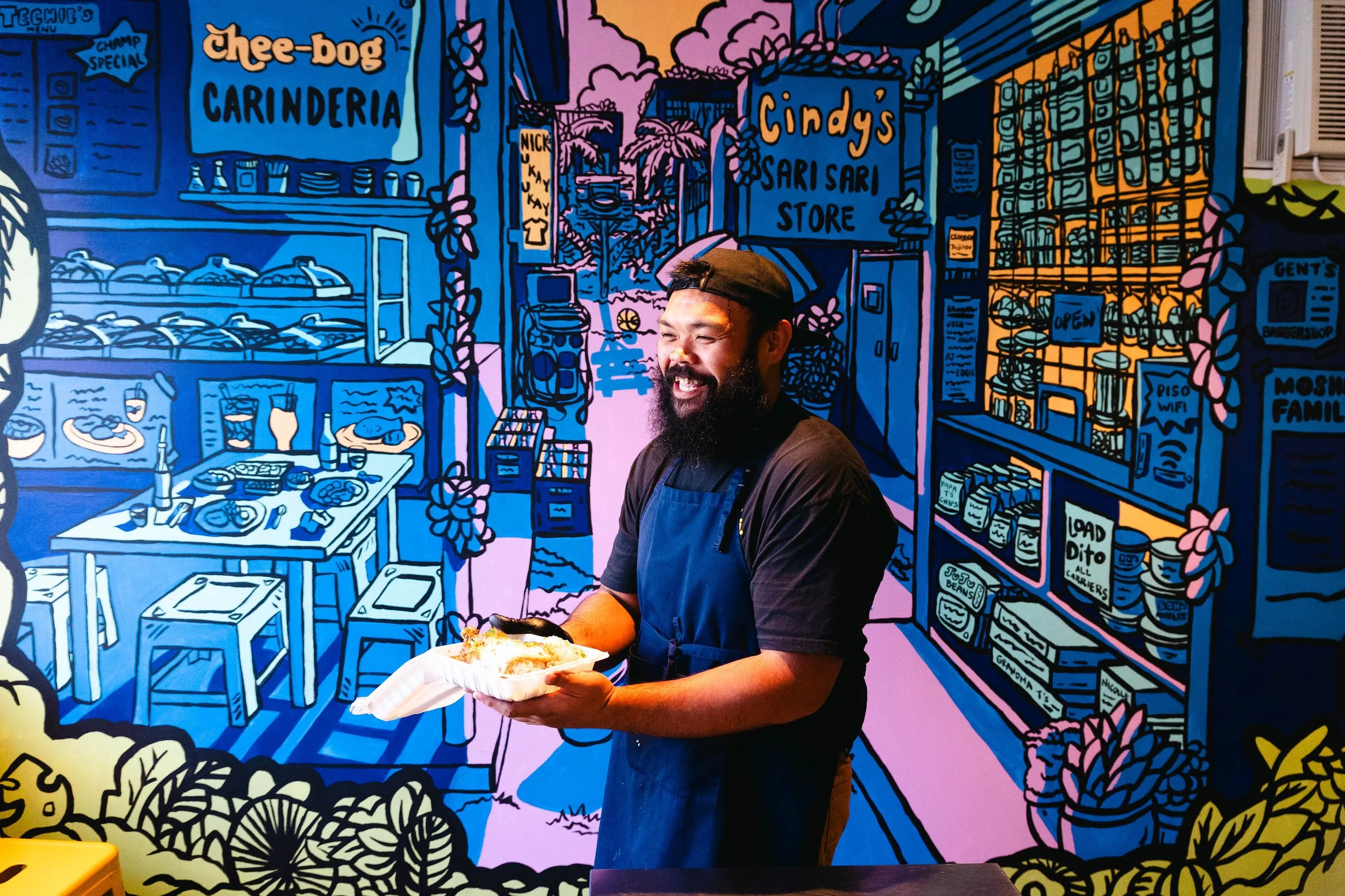
Recently, you added a super cool mural. Who’s behind the art work and what it depicts?
Oh, the ‘Tira Lang’—which means ‘send it’ or ‘shoot your shot’—mural was created by Lo Pardo Luce with the help of her husband, Tyler. Lo and I talked a lot about the places we lived and the little things that reminded us of the motherland. That mural really makes me look back at where I came from and reflect on where I am now. We also asked Lo to add in the names of many of the friends and family that helped us along the way, which makes it extra special.
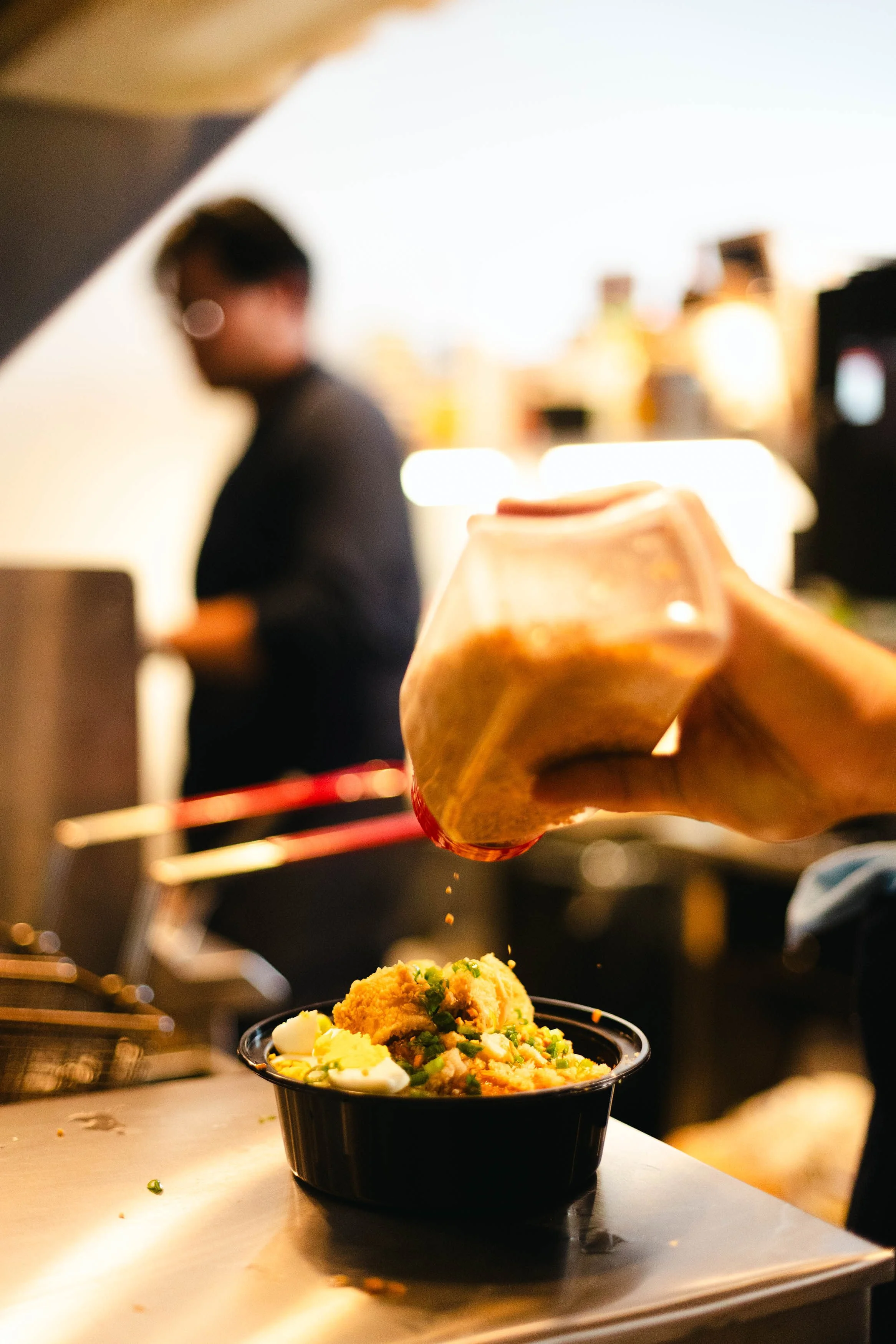
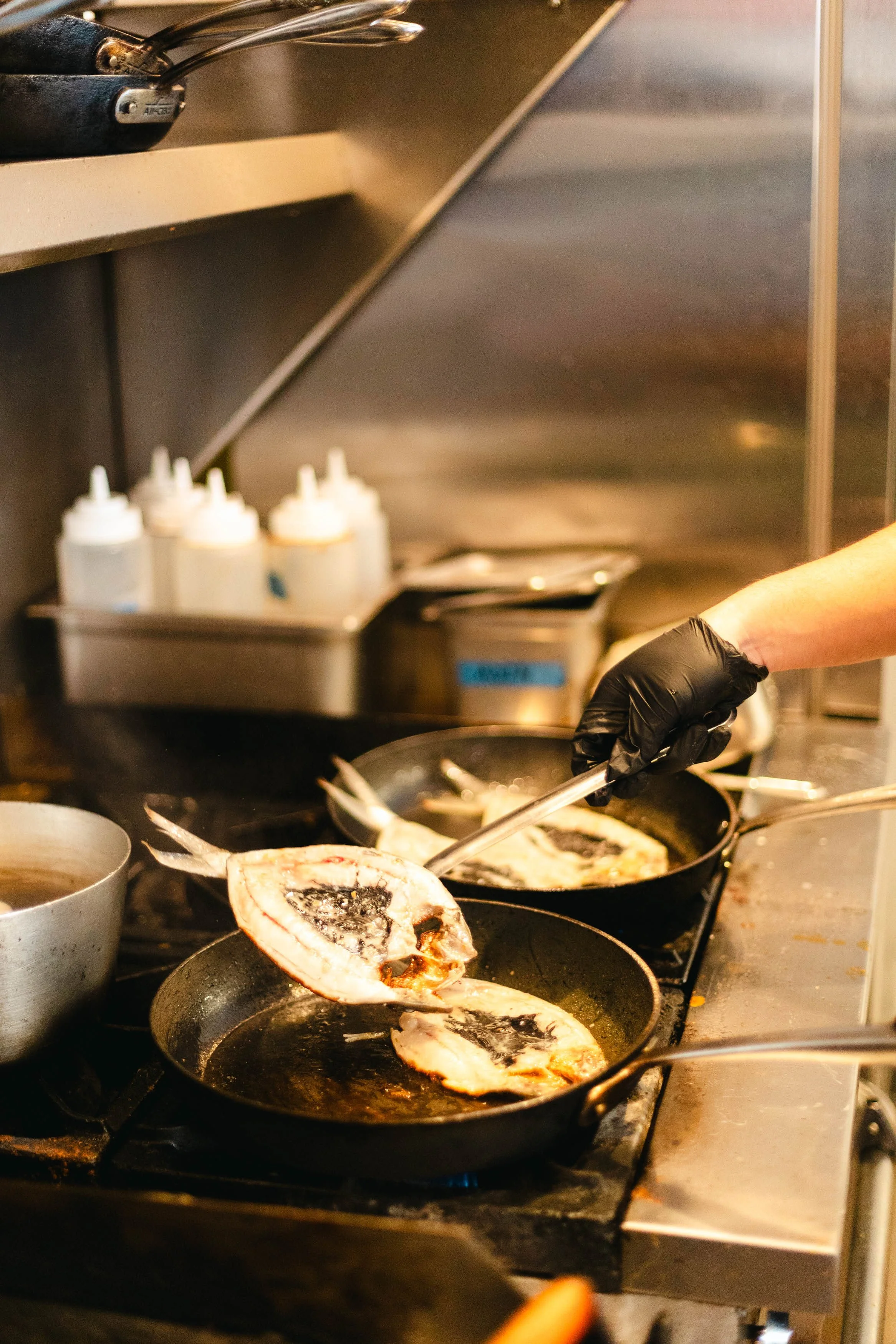
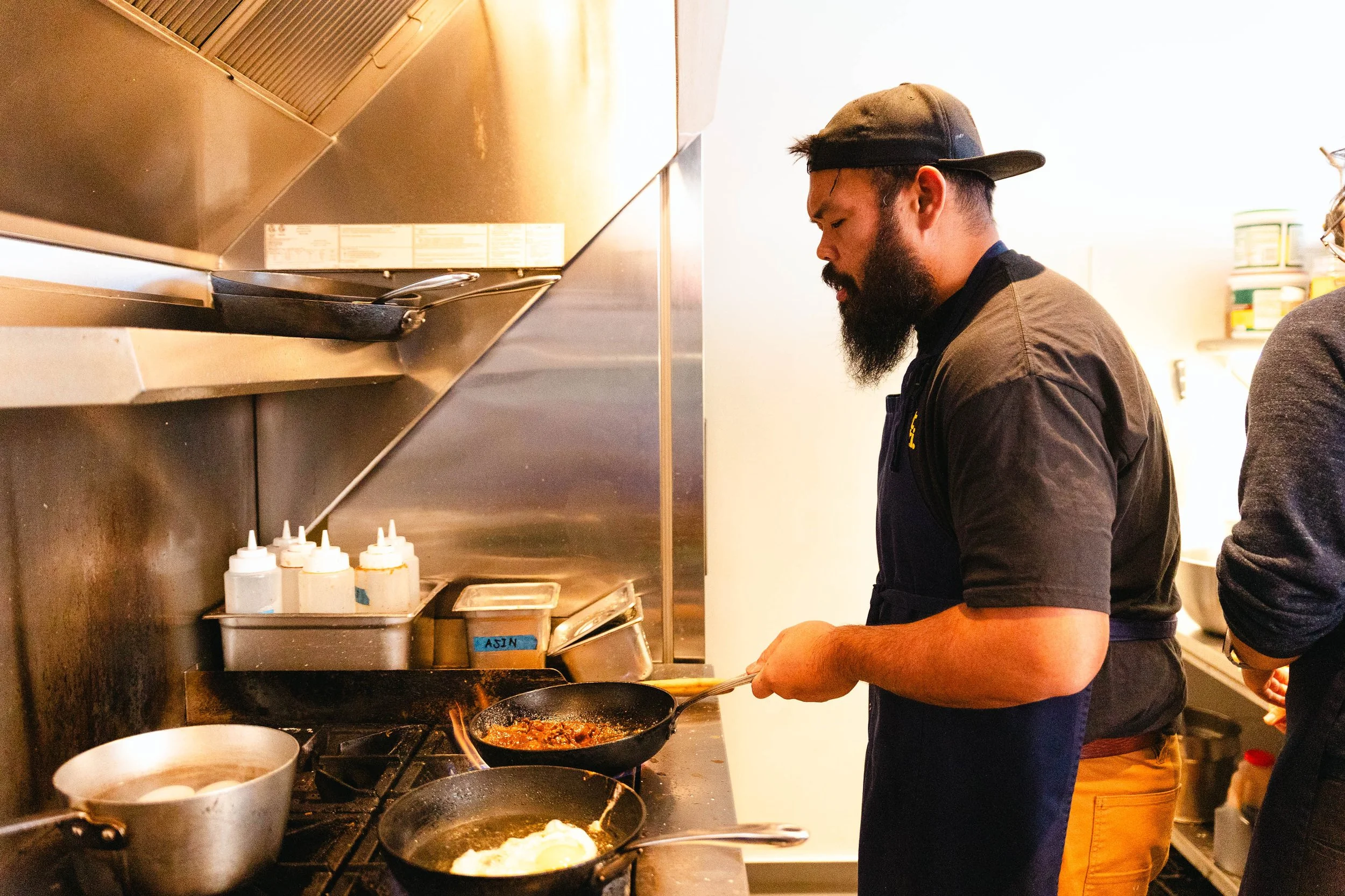
You are one of very few spots for Filipino food in the Capital Region (other than Harana Market in Accord and roving Hudson Valley pop up, Sira Ulo). You don’t have the space to put out a daily Filipino turo-turo buffet, so how do you decide what goes on the menu each week?
Whatever I want to eat for the week. (Laughs.)
Filipino cuisine is known for funky condiments like bagoong alamong, a fermented shrimp-and-fish paste. Did Chee-bog have an immediate fan-base and which dishes have you found are your best sellers?
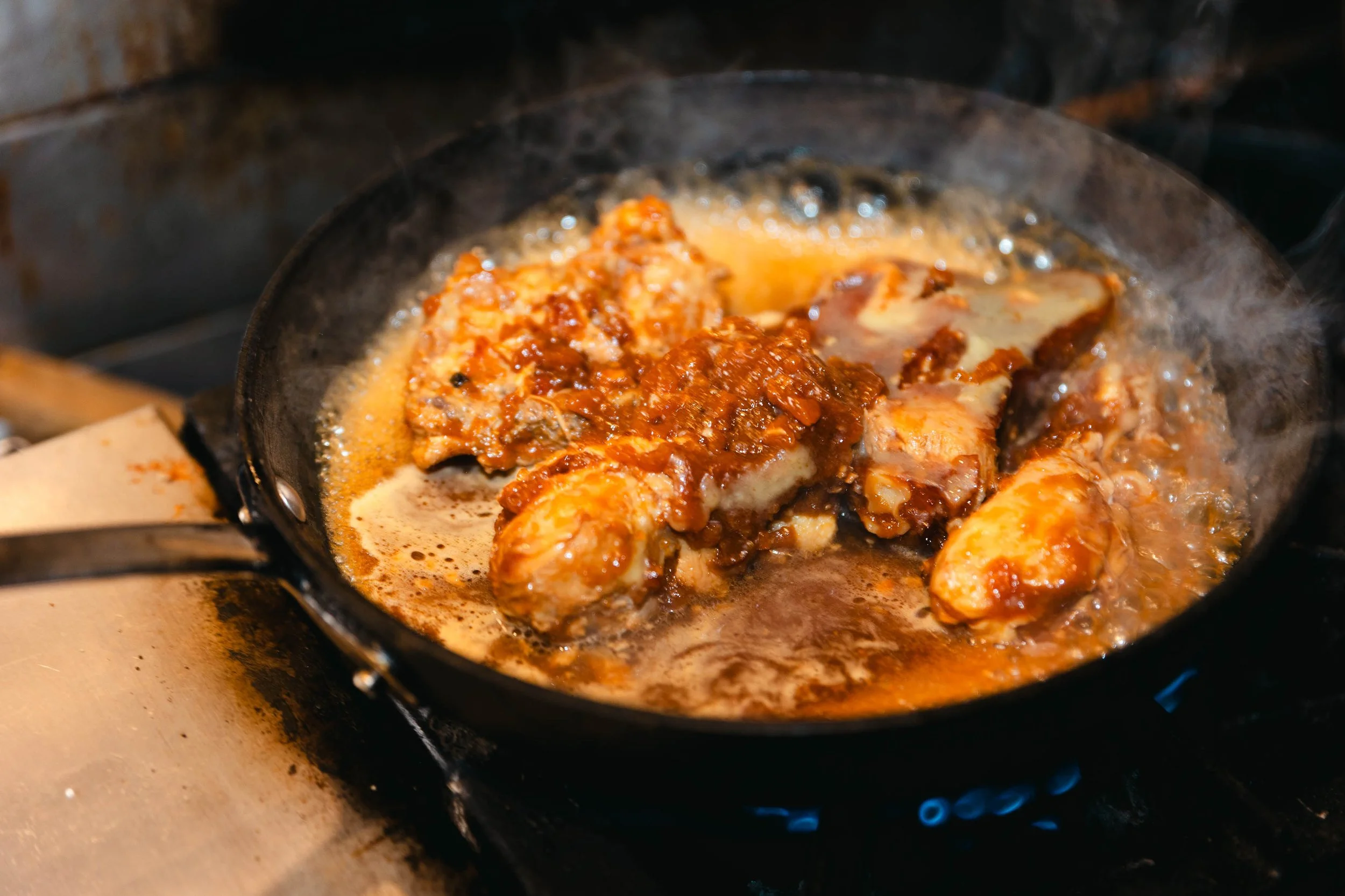
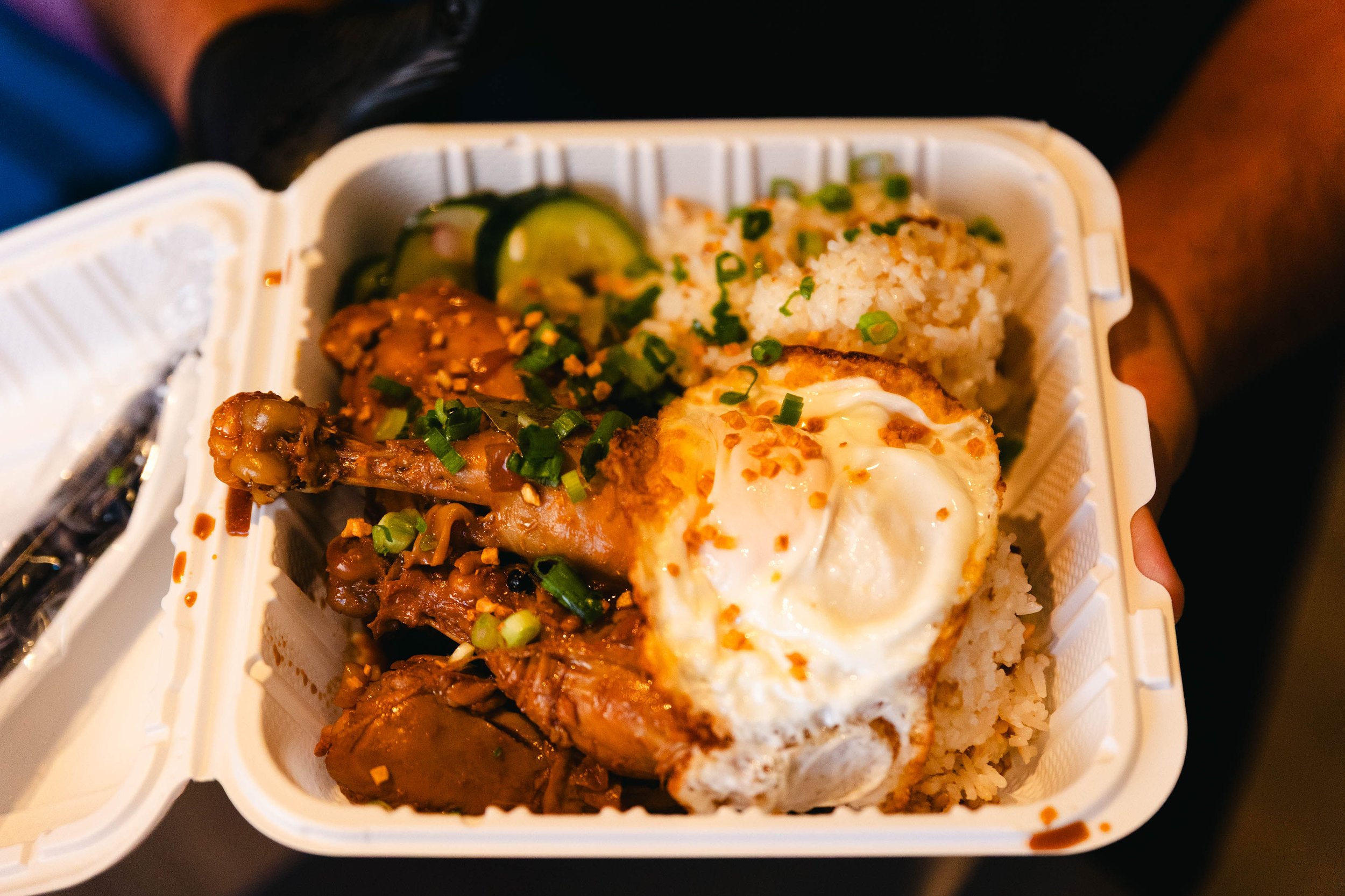
I think after we did a couple of pop-ups and the Asian Night Market with Sunhee’s in Troy, that’s when Chee-bog really started catching people’s attention. Our best sellers are the Inihaw na Baboy, all the silog plates, and the Seafood Bicol Express, which is always on the menu.
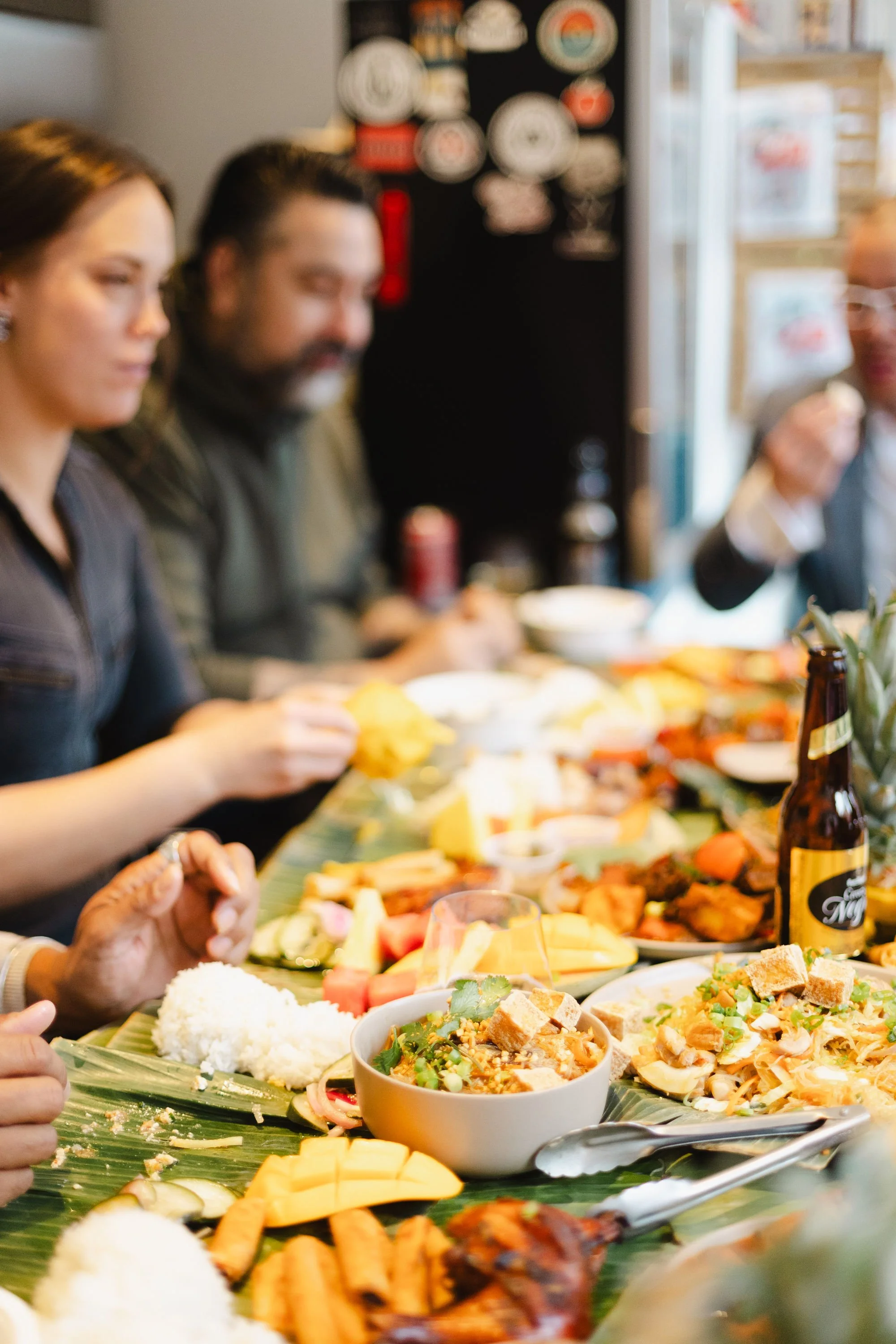
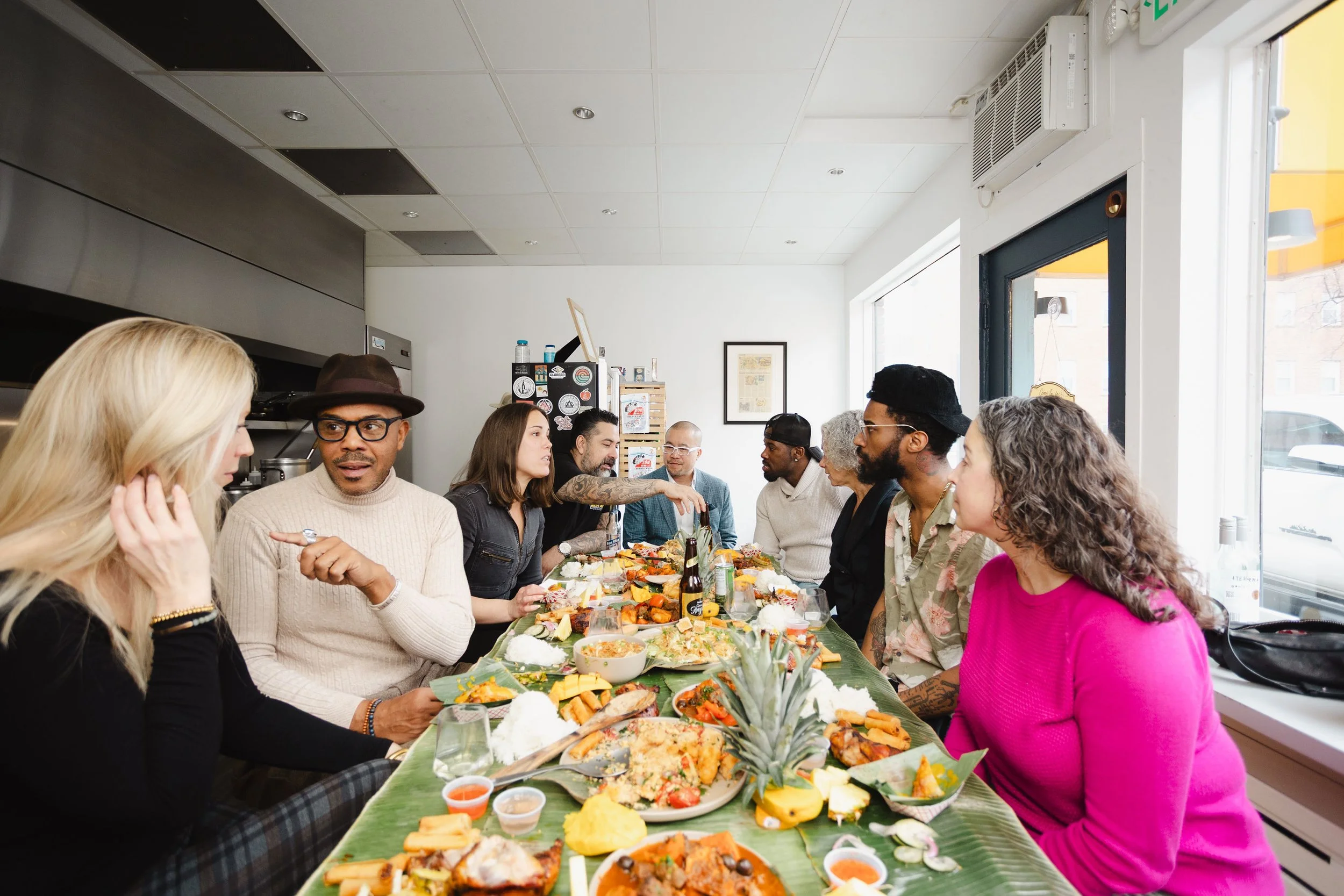
I was lucky enough to bring our team in for one of your private kamayan dinners. For people who may not know, can you describe what the kamayan is in Filipino culture and how you go about offering it.
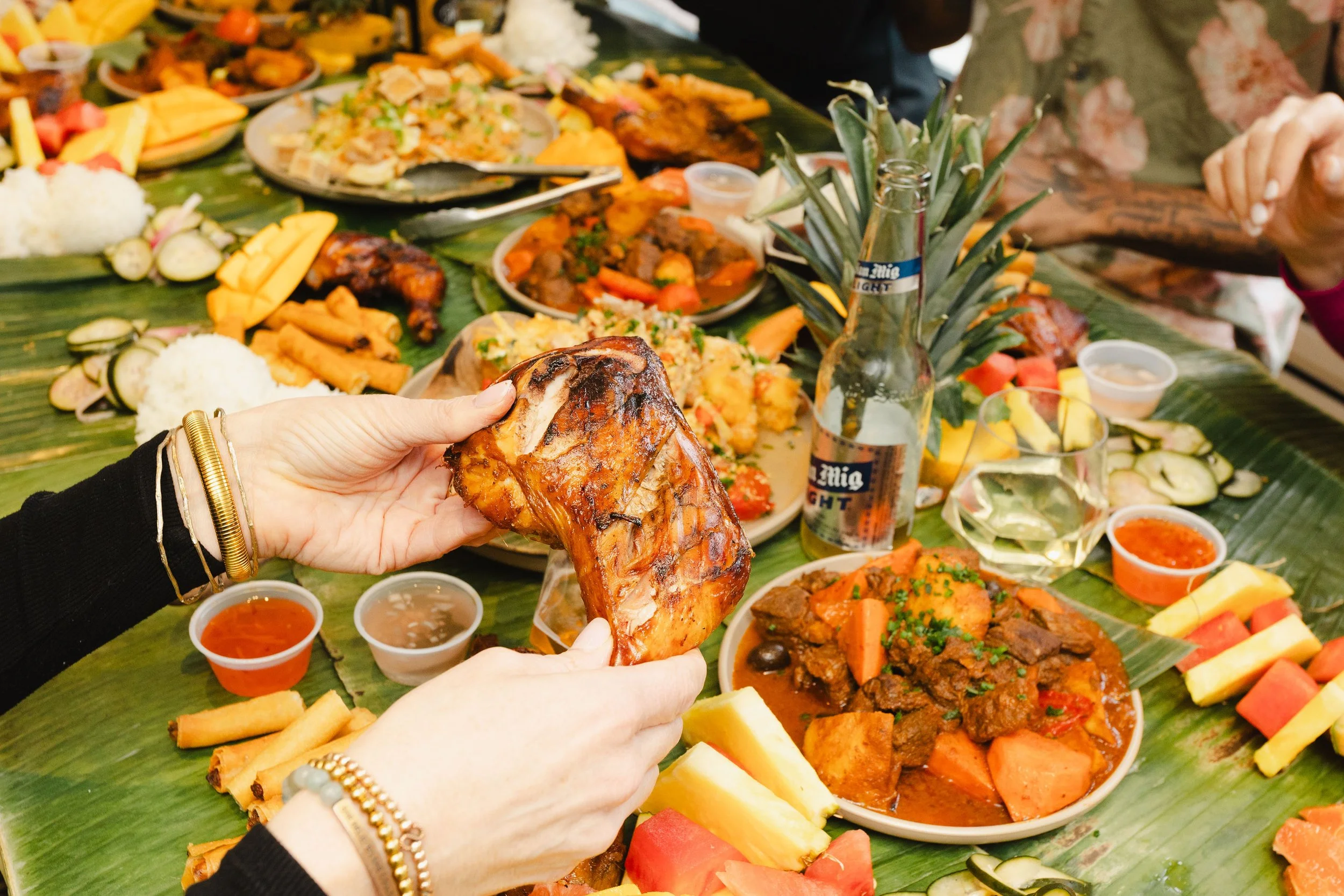
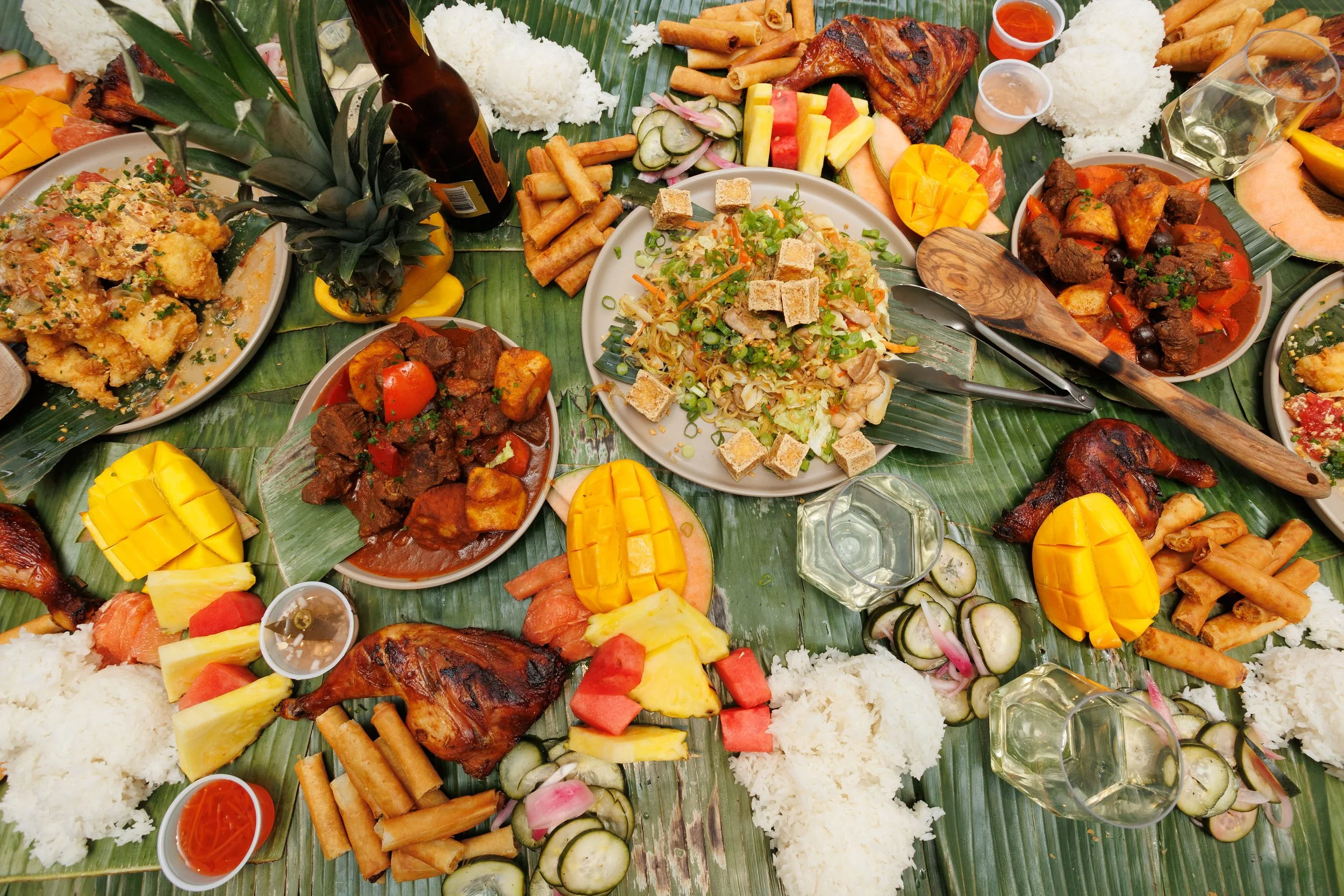
Kamayan means eating with your hands. We set the table with banana leaves, then lay out steamed rice, grilled meats, vegetables, and condiments right down the middle. Everyone gathers around the table and eats together using their hands. It’s strongly connected to the older communal tradition called a ‘boodle fight,’ popularized in the Philippine military, where food is piled onto banana leaves and everyone shares—no plates, no utensils, just community.
You moved from Bulacan, north of Manila to Chicago to upstate NY. What’s the backstory to how you arrived upstate?
Like every immigrant, I just went for it — a real ‘Tira Lang’ moment — and tried to build a life here in the U.S. I just moved to Chicago in 2013, where I met my wife, Cindy. She has roots here in upstate New York, and in 2018 we decided to move here to be closer to family.
You’re not a formally trained chef, and you have said you learned to cook from memories of how things tasted growing up. What was your process for recipe testing? Who were the people who mostly cooked in your family?
I cooked for myself a lot and for my roommates when I first moved to America, plus I sold lunch boxes to my officemates at a Chicago tech company where I worked. In Chicago, I also worked as a cook at beloved Filipino restaurant (Isla Filipino) and spent time as a butcher. I’ve never been afraid to experiment and try something new. Once I nail the right taste for a recipe, it just sticks. Watching my father in the kitchen also helped a lot, because I was always the taste tester.
The post-pandemic years have shown shifts in dining trends around costs, foot traffic, dining out and delivery apps. What do you see as the future for the restaurant industry?
Affordability is a huge issue for families, including my own. When people choose to spend their hard earned money at Chee-bog, we don’t take that lightly (cue our extra beefy portion sizes!) We believe having menu items that are both affordable and accessible will be an enduring trend. From a restaurant perspective, foot traffic isn’t what it used to be, and although delivery has a lot of advantages, the fees make it hard for small businesses to survive on them long term. Being flexible and open to evolving is critical. That and keeping things simple. I’m not trying to chase a trend or win any awards. My goal has always been to share the home cooking I grew up with. To feed people’s bellies and spirits. At the end of the day, people want something that’s real, in terms of the food, the people and the experience.
What do you wish there was more of in the culinary scene upstate? What’s missing?
We need an all you can eat dim sum spot with ten push carts that has beef wonton noodle soup and congee!
What are 3 of your favorite go-to spots for breakfast, lunch or dinner anywhere in the Capital Region or Hudson Valley?
Sunhee’s (Korean) and Lime Leaf Thai in Troy; Seoul Korean in Latham; Lee Sun Chinese in West Sand Lake.
If you could only take three spices of condiments with you, what would they be?
Salt, pepper and MSG.
Imagine your ideal day or night out, anywhere in the world, with no limits on costs or reservations. Where would you go and how would your day or night unfold?
Kay’s pizza with our whole family then we’d end the night by the lake eating ice cream sandos.