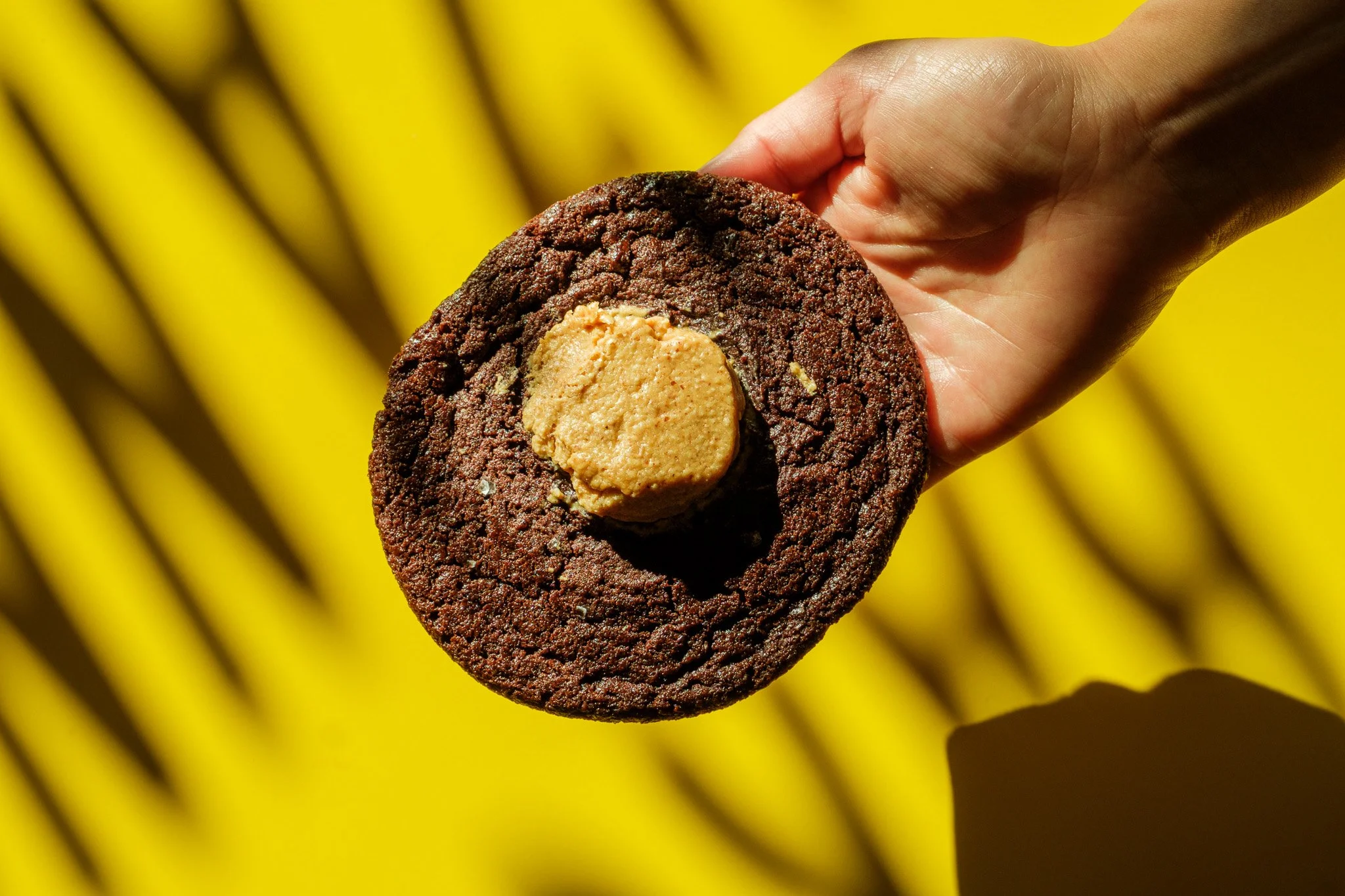
MEET: WILSON KEENAN, Bakery Suzanne
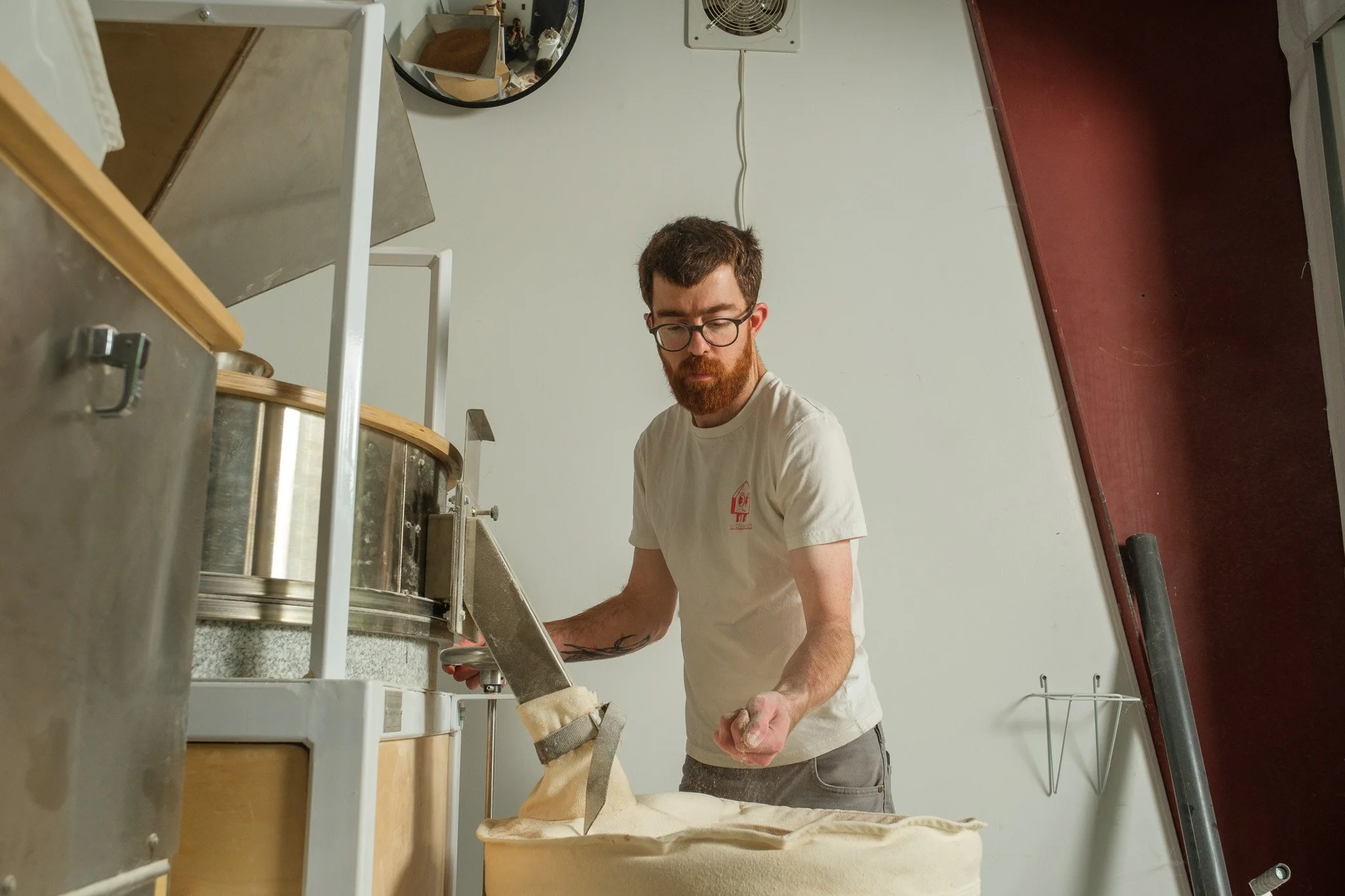
From start ups to sourdough, Wilson Keenan weaves a through line from a South Carolina childhood to the West Coast tech boom + opening a bakery upstate.
Interview : Susie Davidson Powell @susiedp
Photos: Victoria Sedefian/The Dishing @citrusforward | All photos ©️ TheDishing.com
Location: Bakery Suzanne, Wilton, N.Y.
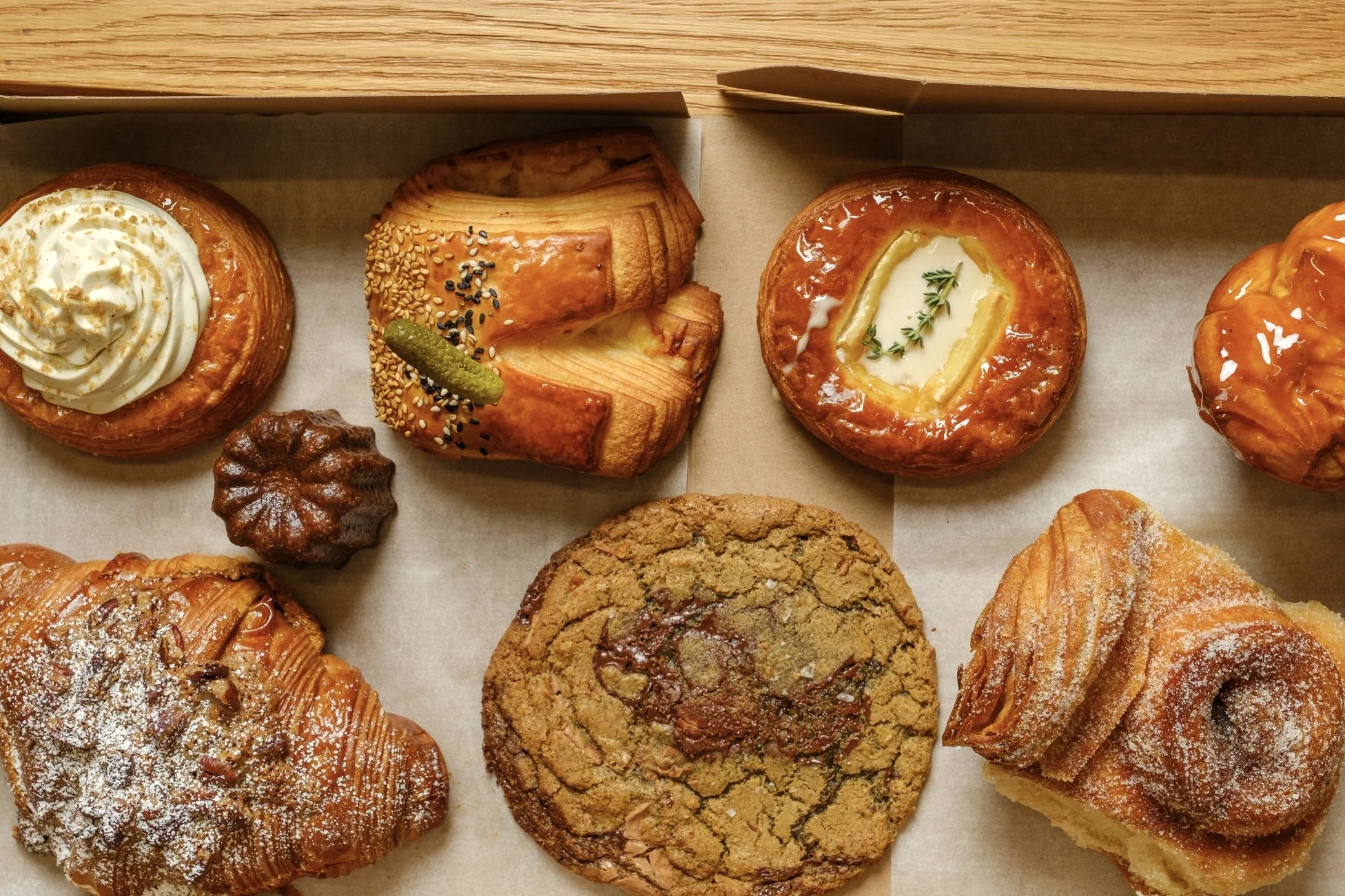
Tastemaker: Wilson Keenan
Current Position: Baker | Personal IG:
Where: Bakery Suzanne | IG: @bakerysuzanne | Website:
Hometown: Columbia, SC
Current city: Saratoga Springs
Personal style : Plenty of Carrhart, Uniqlo, some go-to Rag-and-Bone shirts and pants
Listening to: Still in a 40-50-60s country phase
Favorite classic cocktail or non-alc drink: Agricole Daiquiri
Coffee or tea. What’s your order?: Coffee // espresso + more milk throughout the day.
Favorite restaurant or bakery anywhere in the world: Mon Lapin - Montreal, Flour and Water (SF), Romans (Brooklyn)
Biggest professional industry influence: Andrew Tarlow, Mike Lata + so many friends who stick it out in food + do great work
Industry trend that should end: Who am I to say? I’m a fan of restraint.
Welcome to The Dishing’s Quick Serve interviews where we talk with tastemakers in the hospitality industry and trailblazers at the intersection of food, culture and art. Today we’re talking with tech start up-turned-baker Wilson Keenan who moved his entire bakery from Andes, N.Y., in the western Catskills to open Bakery Suzanne in Wilton, near Saratoga. His wild-fermented sourdough and laminated pastries have a loyal following.
Wilson, thanks for talking with The Dishing!You grew up in South Carolina, went to college at Vanderbilt University in Nashville, TN, and worked on the West Coast in tech start ups for a decade. How did baking enter the equation?
Before I was officially working in technology, I cooked on the line at several restaurants in San Francisco. I remember seeing a sourdough starter for the first time, sometime around 2008, in the basement of a restaurant. Looking back, it was a funny moment because I had absolutely no idea what to make of it. I was surrounded by exceptional restaurants, bakeries and markets. My friends and I cooked constantly, often for large groups. We learned to butcher animals, threw elaborate dinner parties and treated cooking as the center of our social lives.
I also lived near the original Tartine bakery in the Mission. I ate that bread all the time and would show up for the late-afternoon country bread bake. Eventually I started making bread in a Dutch oven at home—the classic Tartine entry point. It is a common story now, but at that moment it felt like discovering an entirely new medium.
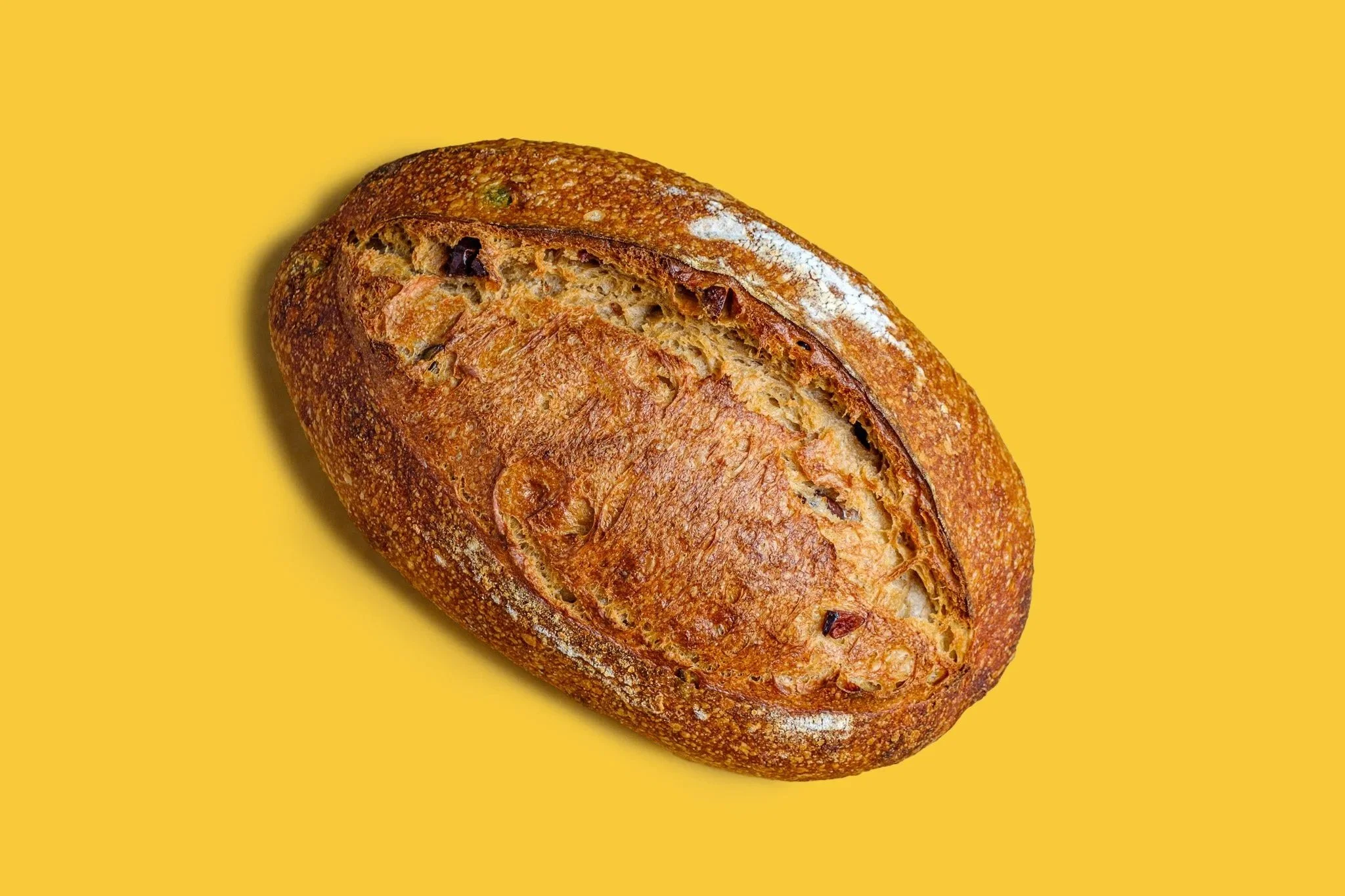
I first tasted your bread in Bovina, N.Y. where you had opened Wilson’s Bread in 2019. In 2024, you relocated the bakery to Wilton—in the former Saratoga Motorcycle Center, next to the X-Files Preservation Center—and it felt like we all followed along as you recalibrated ovens + worked through recipe tweaks. What was that transition year like?
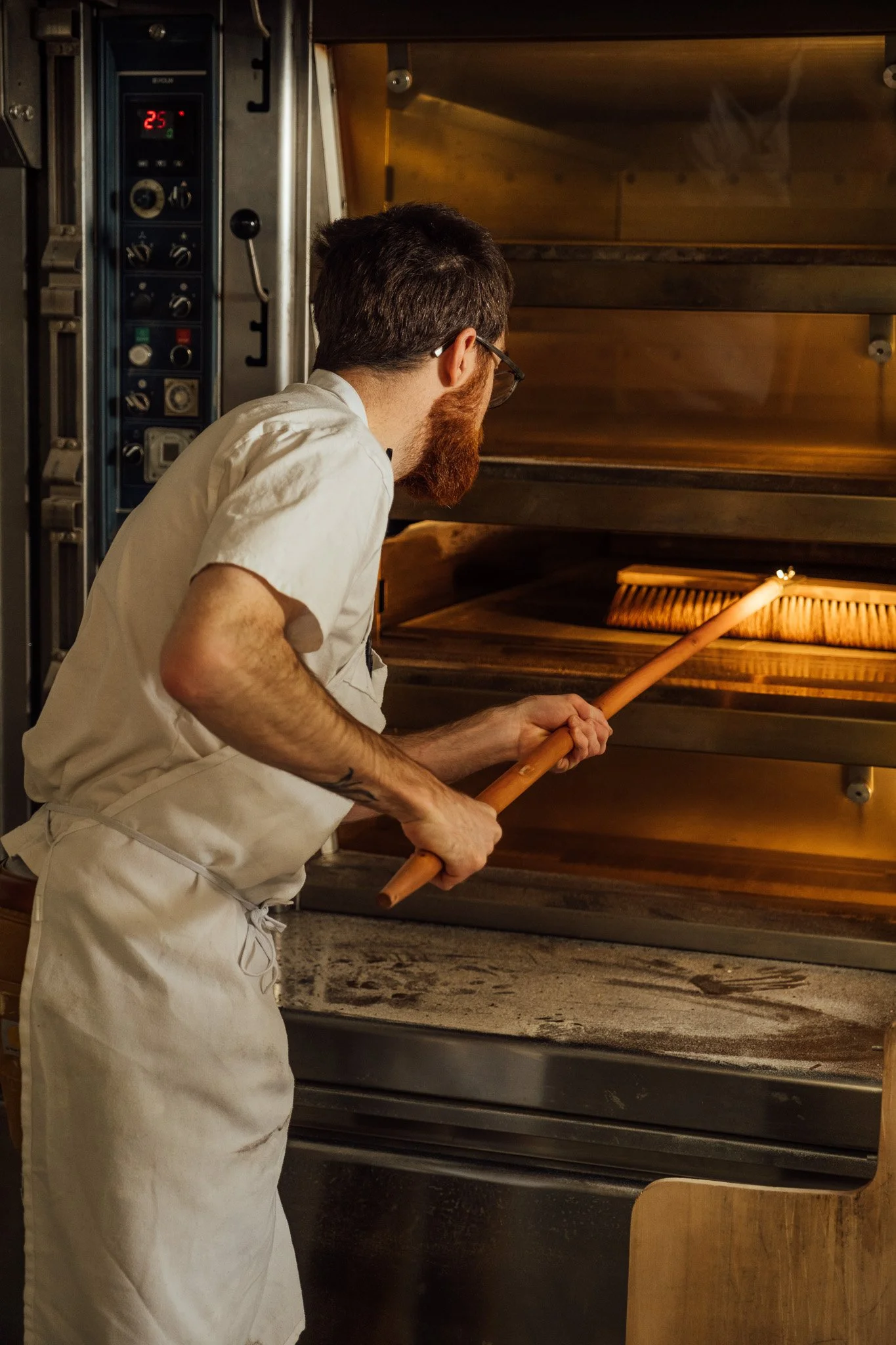
I went into 2024 focused on moving the equipment safely and making sure all the core utilities - water, gas, electric - were going to support our production work. There were definitely hairy problems with each of them… but, ultimately, the biggest challenge was getting our sourdough starter healthy enough for production. It had fallen deeply out of balance and when I was ready to start baking, it was not.
That was on the inside. On the outside, it was also difficult for me to try to get people excited about what we were doing when I was really struggling to bake good bread.
As a full-time baker and business owner, how do you manage your work/life balance? Is the process of baking bread + rolling croissants already sufficiently therapeutic? How do you and your wife balance your days?
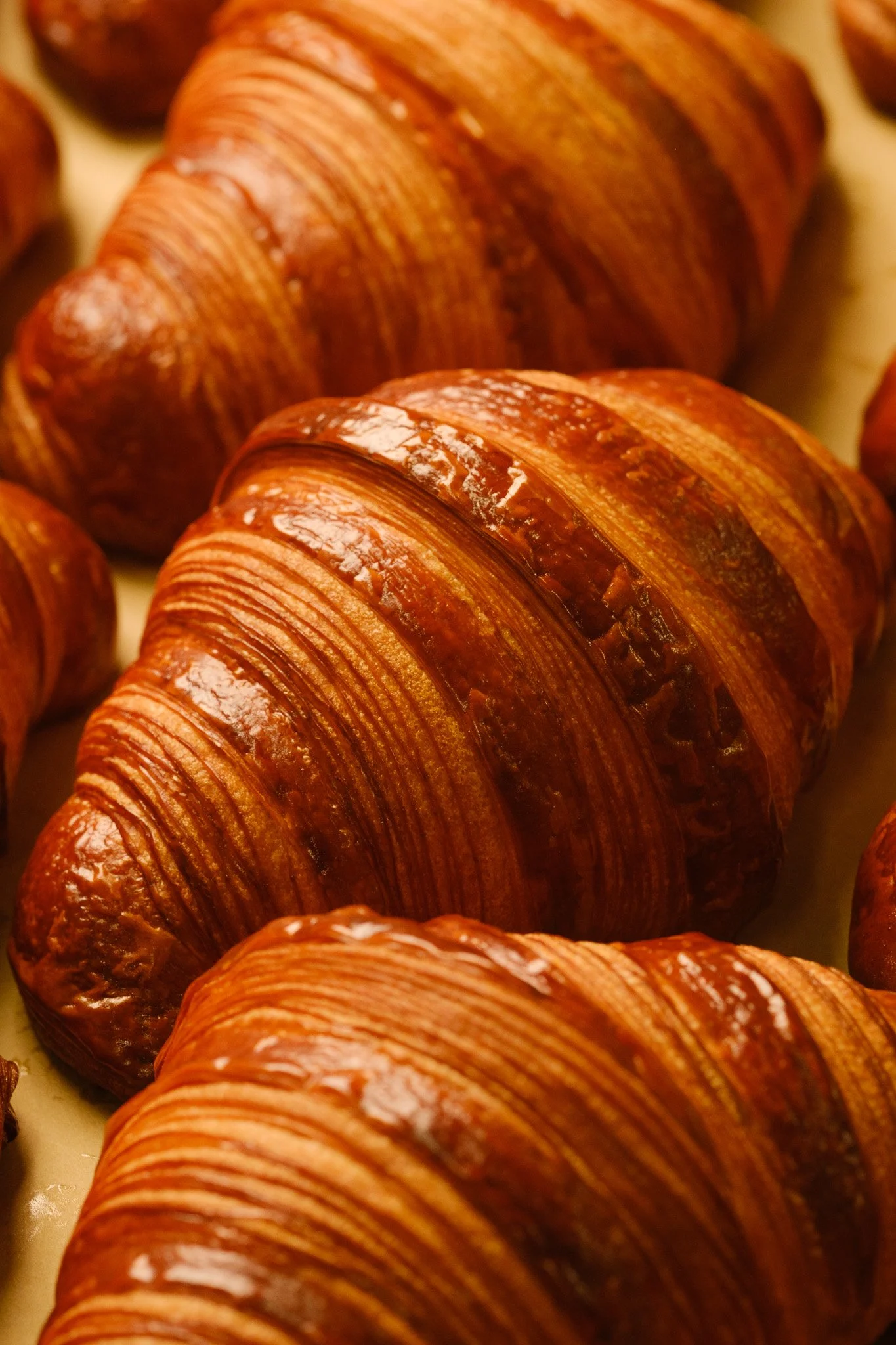
Being a baker and owning a bakery are very different jobs. I spent most of yesterday afternoon cleaning an ice machine, clearing condensation lines from the proofer, changing oven lights and rebuilding our production and financial targets for the following week. There are still parts of the physical work that I find deeply satisfying. Mixing dough or rolling croissants can focus the mind. But once you own the bakery, that work exists alongside staffing, equipment, cash flow, training, maintenance and planning.
My wife and I are still working on what balance looks like. We try to protect some time together, usually by getting in the car and hopping on I-87 to Montreal or the city. The goal is not necessarily to create a perfectly balanced life every week. Right now it’s to build a business that can eventually operate without requiring constant personal intervention and to remain attentive to the parts of life that the business is meant to support. (That sounded like a lecture to myself!)
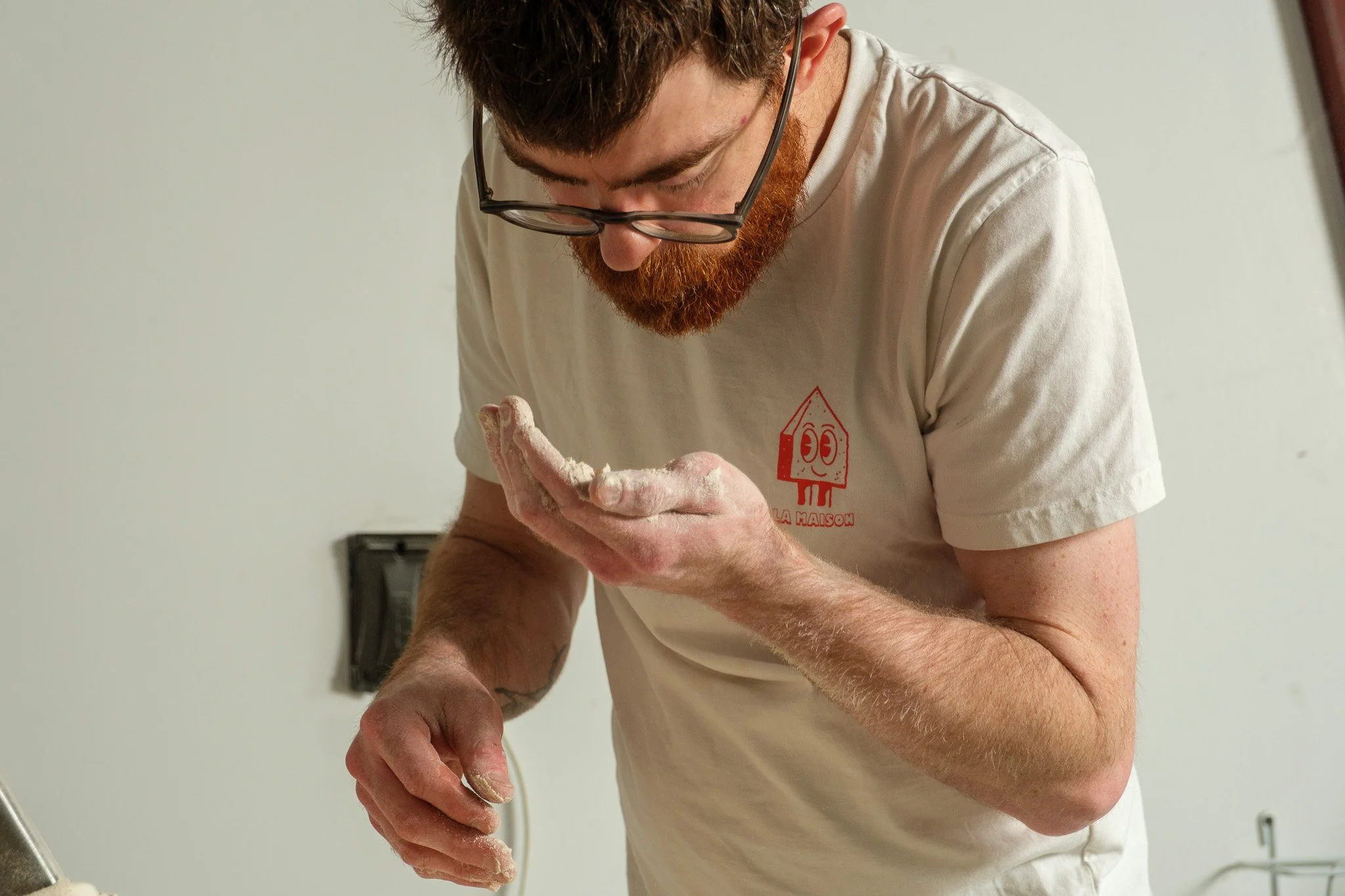
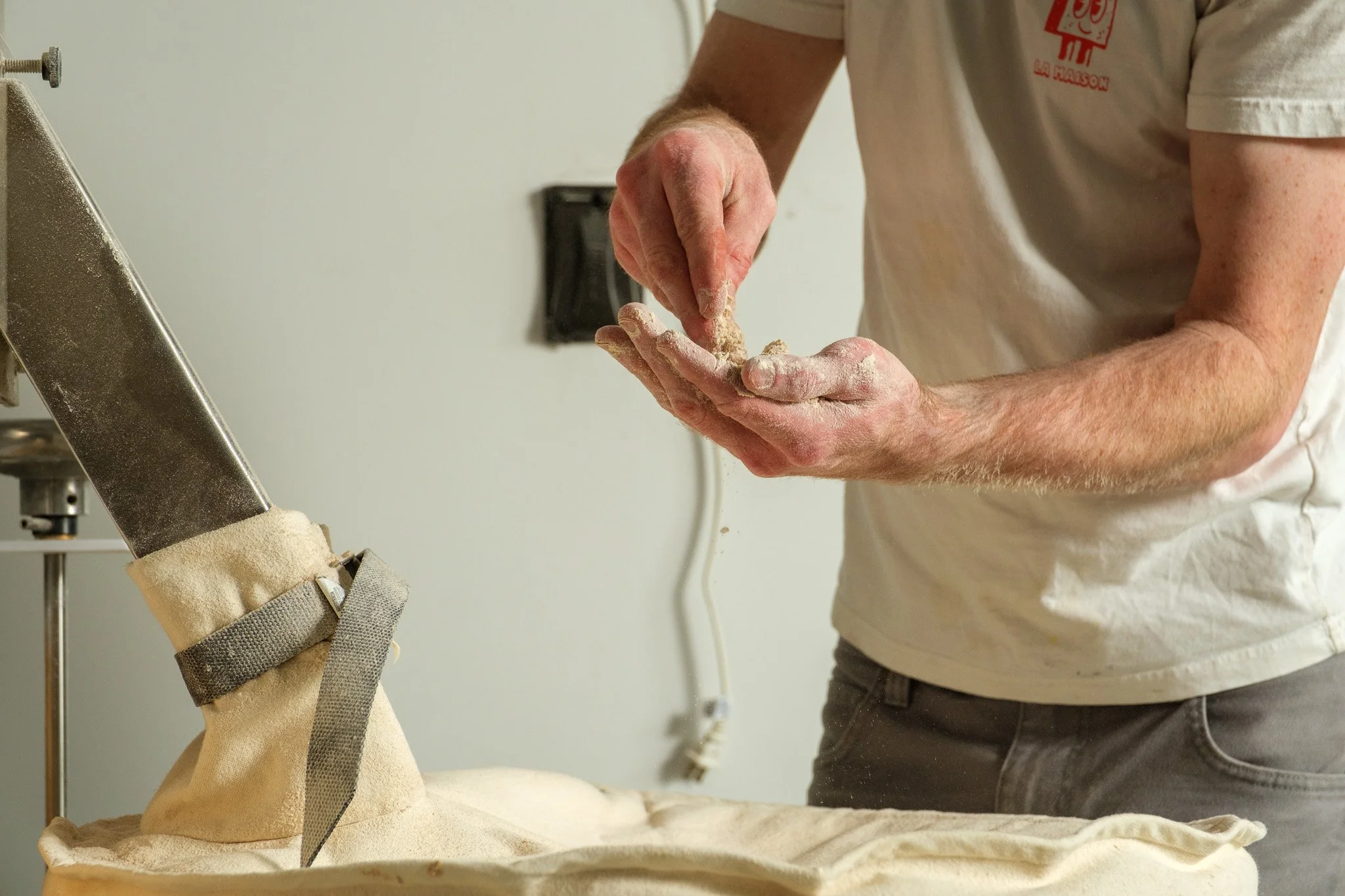
You’ve always had a love of food tempered by tech roles by day + staging or working in kitchens by night. Was this hands-on industry training your only culinary education?
Yes. I was a very earnest line cook. I was always reading cookbooks and then trying to sneak whatever I had just learned into my work at the restaurant. I never attended culinary school, so my education was fragmented and practical. It came from restaurant kitchens, books, repetition, eating carefully and asking other cooks and bakers questions.
When I began baking full time, Instagram was also a surprisingly important technical resource. Bakers were sharing highly detailed information about fermentation, flour, shaping, oven work, and many of them were generous answering questions. It was much less polished than it is now. There was a real sense of bakers collectively trying to understand the material.
OK, so let’s talk about your bakery. What’s special about your approach to bread?
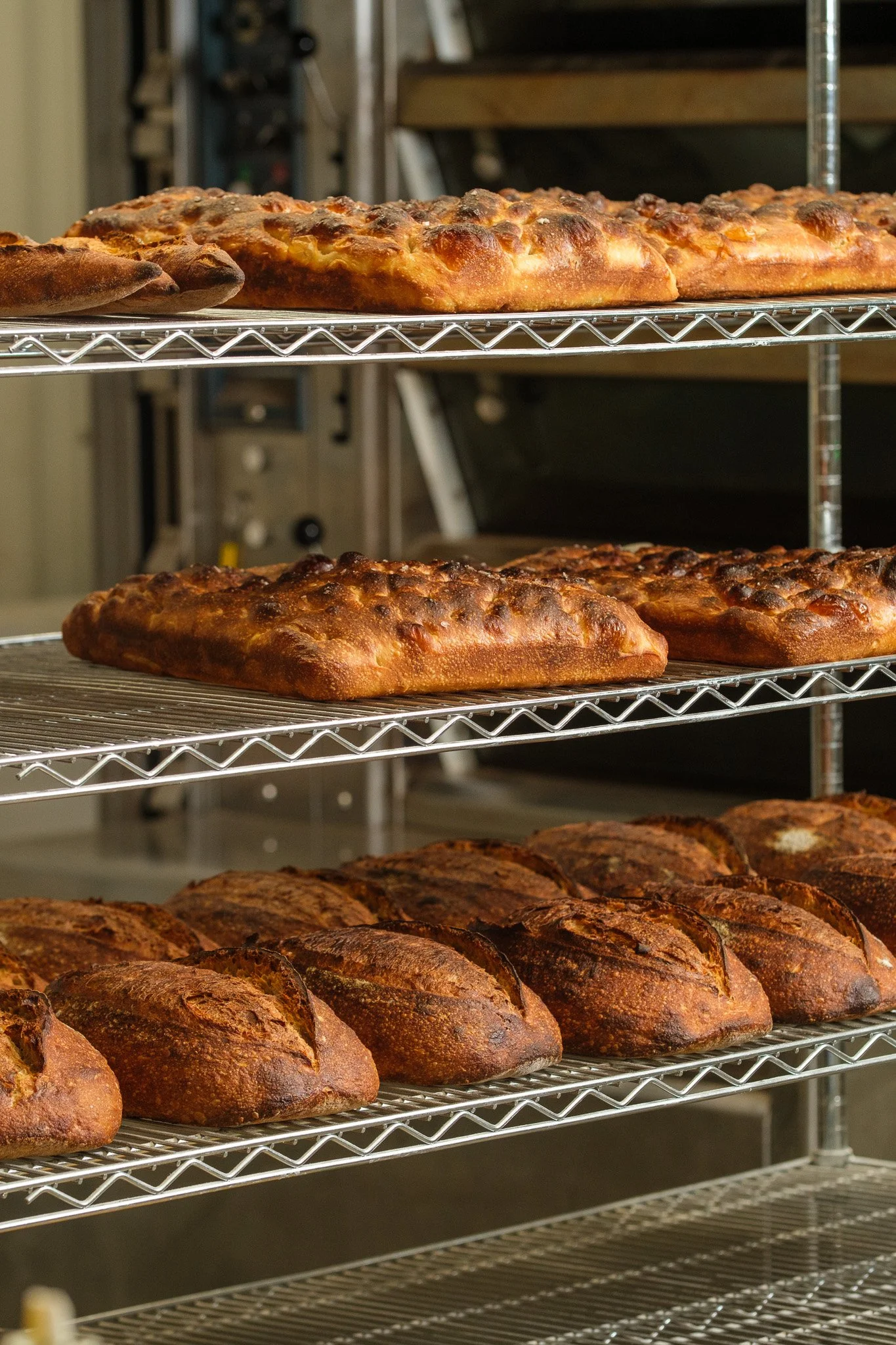
It is actually quite rare to taste truly special bread, which is interesting because most bread formulas contain essentially the same few ingredients. The distinction comes from the interaction among those ingredients over time. A small change in dough temperature, fermentation, acidity, flour strength, mixing or shaping can produce a completely different loaf. The ingredient list may be simple, but the system is extraordinarily complex.
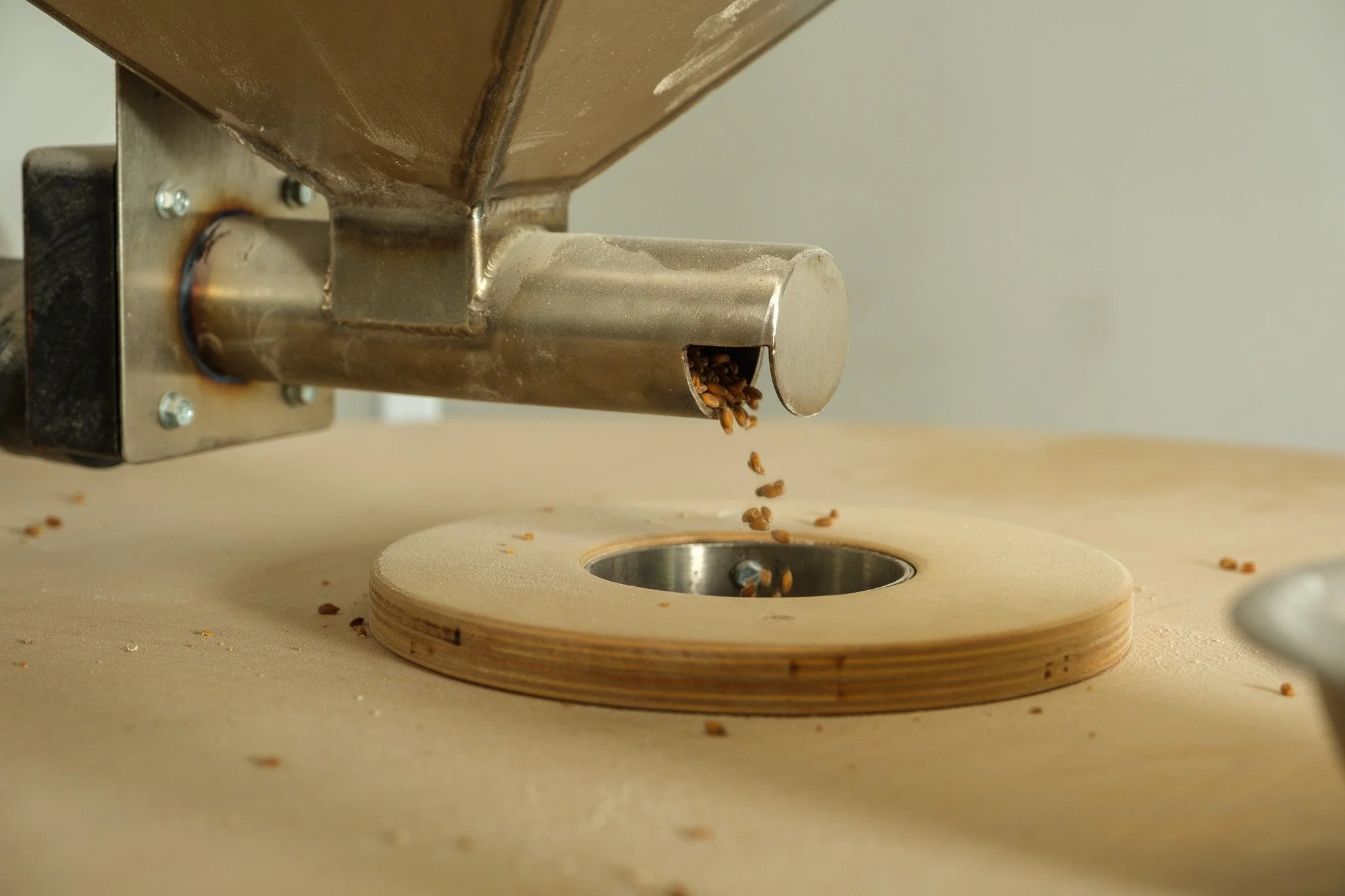
Our bread is naturally leavened, and we use fresh-milled and regionally grown grains where they contribute something meaningful. But I don’t think any single ingredient or technique explains the bread. The work is about building a fermentation process and then learning how to respond to it.
That is what keeps baking interesting to me. There is no final recipe in the sense of a permanently solved object. Flour changes from one harvest to the next. The bakery is warmer in July than it is in January. The culture behaves differently. You develop control, but that control comes from attention rather than from eliminating variability.
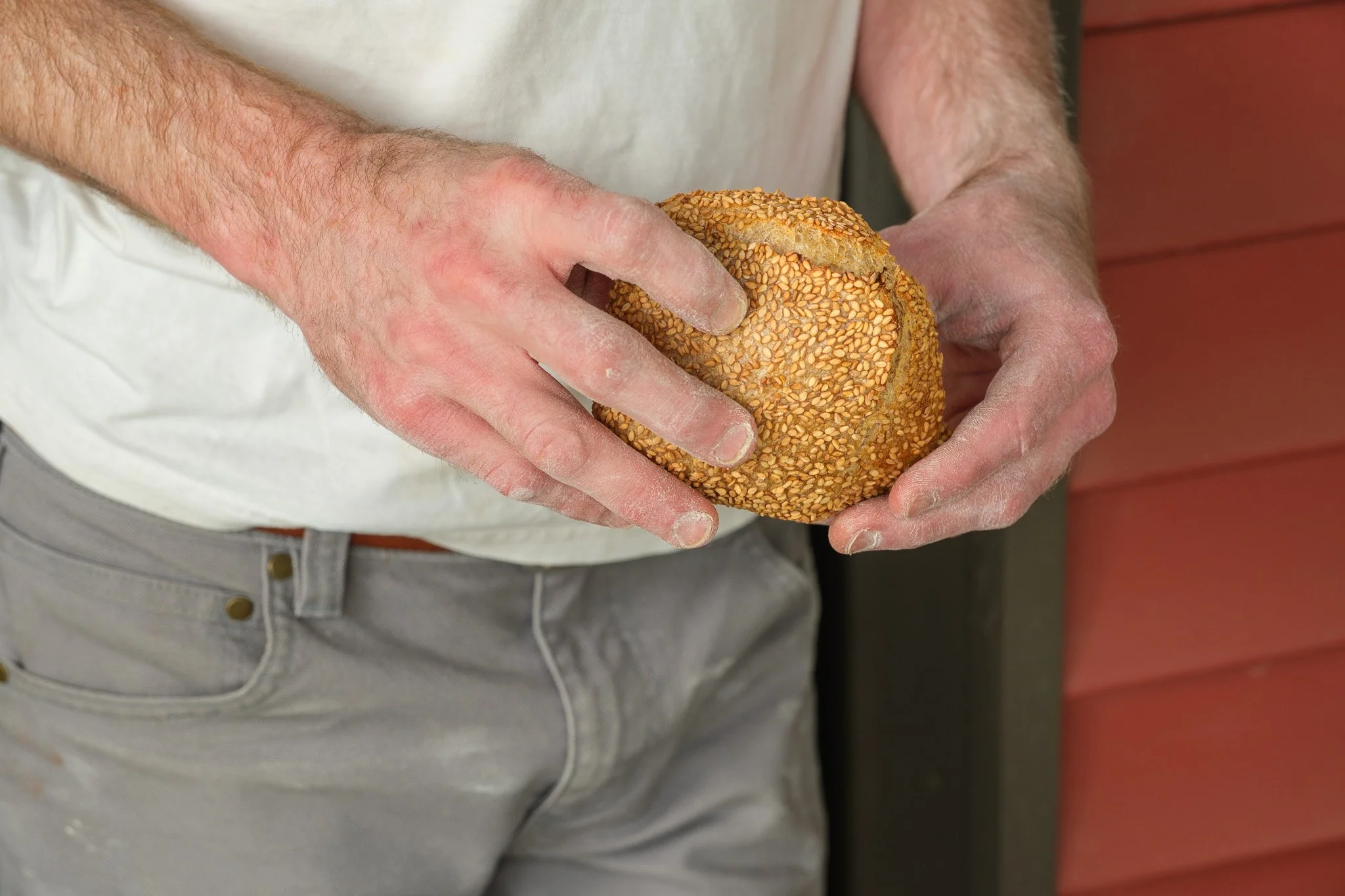
You named Bakery Suzanne after your mother. What are your childhood memories of food? Who was mostly cooking in your home and did anyone teach you to bake or cook?
My mom was the cook. I remember certain things she would make like French toast or ribs. More than any technical instruction, it was more that food was treated as something worthy of attention. She cooked with care and curiosity. That gave me a comfort with the kitchen before I had any real technical understanding of what I was doing.
Naming the bakery after her was a way of locating the business within that history. It also felt right to move away from naming the bakery after myself. A bakery is ultimately collective—it belongs to the people making the food and to the community that makes a place for it.
You found yourself at an interesting point where you were making really good money through the tech start ups and could afford to eat at the good restaurants in San Francisco, but you felt disconnected sitting through expense account business dinners. Looking back, was this the catalyst towards centering bread as a career?
In technology, I often felt as though I was searching for a problem that would allow me to connect more deeply with the work. When my job collided with food—at a business dinner, for example—it could feel like nails on a chalkboard. The food became an afterthought or a luxury object. In that context, it did not even taste good to me.
When I care about something, I tend to go very deep. But I found myself unable to really inhabit the purpose of the work I was doing. Baking was different. It was both accessible and an extremely deep set of challenges—and has an outcome I could connect with. I love eating!
After moving to New York, I was still working in technology and would regularly bake bread for the investors who were hosting us in their office. Eventually my girlfriend, now my wife, and I found a place in the Catskills and I began baking out of the back of Russell’s General Store in Bovina, initially on a very small scale on the weekends. That gave me a way to test whether baking could actually become viable.
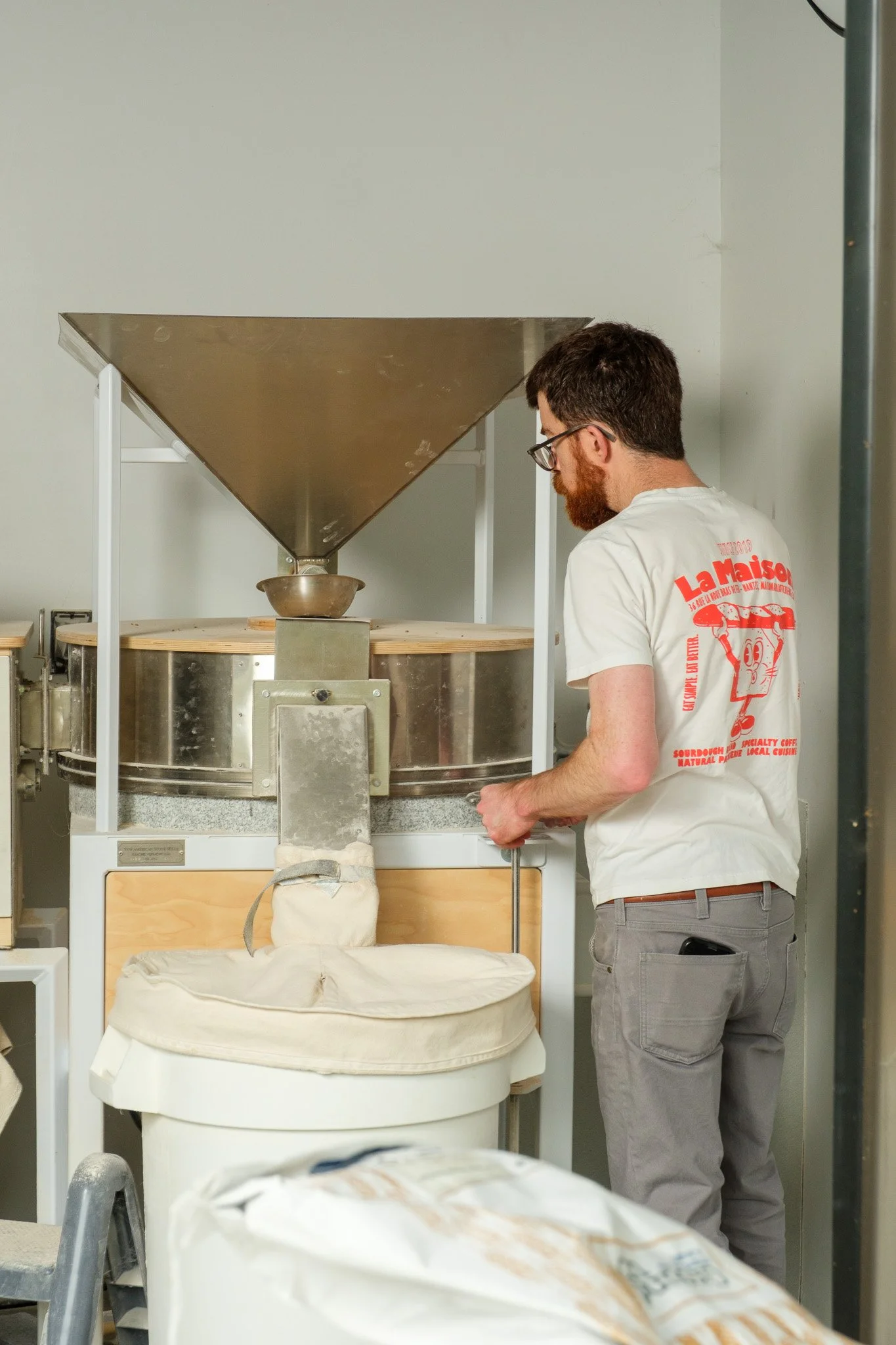
The baking boom hit the Bay Area a good while before New York and you were living in Mission area of San Francisco at the height of some of its most creative baking and cooking. What was that like?
The Bay Area in the late 2000s and early 2010s was a great place to become interested in food. There was a seriousness about sourcing and technique, but it was not always expressed through formality. Some of the most influential food was being served in bakeries, cafés, markets and very personal restaurants.
Tartine was important. The bread, morning buns and croissants demonstrated that a neighborhood bakery could make food with the same level of ambition as a great restaurant. The work was precise, but it still felt generous and accessible.
There was also a wider culture of people making things—bread, wine, pasta, cheese, charcuterie—and sharing knowledge across those disciplines. I absorbed a lot by eating, watching and being around people who cared about food. But, this was also before instagram and the people at the top of these crafts weren’t as accessible as they are today. So, I’d say it made it more special / mysterious.
When I later came to New York, it felt as though that particular bread movement had not yet spread as deeply. New York had extraordinary pastry and an enormous restaurant culture, but naturally leavened, high-hydration bread made with freshly milled or locally grown grains was still less common (that has changed…).
I know you lived in London for a year during your tech career… In your travels, where have you found the most mind-blowing breads or pastries that maybe inspired the way you bake now?
London was less about one life-changing bread or pastry and more about going all over the city to eat. I had a lot of duck banh mi, drank a lot of beer from a special brewery in South London (Kernal), and remember seeing the Tartine book on the shelves in just about every restaurant kitchen I visited.
I’m sure I had some very good bread, but nothing that completely changed the way I bake. What stayed with me was the habit of traveling across the city, usually in the rain, for one particular thing I wanted to eat. Buy yeah, great coffee from Aussies - a memorable meal at St. Johns – loved it there!
The Andes and Bovina area is a pretty sleepy part of the Catskills—though becoming more vibrant with businesses. I guess, I mean it’s more off-the-beaten path than Hudson which attracts weekenders and is easy to access by train. But it is packed with creatives like Jake Sherry at Isolation Proof distillery and Nicole Bassis at Cafe Mutsi. Even Allison Roman opened up her First Bloom shop. Why do you think your bread and Wilson’s bakery took off so wildly?
In March 2020, when normal restaurant and retail patterns collapsed, we shifted toward direct preorder and pickup. That created a very clear relationship between me and the customer: people ordered a loaf, I baked it and they came to get it. I also think bread suited that moment. It was elemental and reassuring, but it was not generic (Jake started Isolation Proof in a very similar context, that same year). People could immediately understand the difference between an ordinary loaf and one that had been carefully fermented and baked. The bread became part of their weekly rhythm.
I moved out of the General Store and into my own space in August of 2020. And over the course of 3 years I grew the baker, delivering up into Hunter and down into Sullivan County. Ultimately, I felt like there just wasn’t the density to support profitable growth… the kind of growth that would allow me to build a team and transition from a bakery being managed as a personal project to a professional organization.
So what made you decide to close and move to a different area entirely? That seems like a brave move.
By 2023, the economics of the business had become increasingly difficult. Revenue was growing, but the margins were narrow because we were serving a very dispersed population. A delivery model covering a wide geographic area can generate sales that are tough to service. I was also working 10 to 12 hours a day, 6 to 7 days a week.
The Catskills also felt like they were changing again after the intense pandemic period. New York City had returned to a more normal rhythm, and some of the energy that had temporarily moved upstate was receding. It felt kind of like a fever broke. We needed a larger year-round population and a location where retail customers, wholesale accounts and employees could reach us more easily. Saratoga offered that. Wilton gave us access to the broader Saratoga market while still providing enough space and a manageable rent.
We like to our tastemakers where they like to eat. What are 3 of your favorite places for breakfast, lunch or dinner anywhere in the Capital Region or Hudson Valley?
Casa Susanna in Leeds, Familiar Creature in Saratoga, 3 Bakeries → Sparrowbush & Mel the Bakery in Hudson and Fantzye Bagels in Kingston.
Imagine your ideal day or night out. If you could go anywhere in the world with no limits on costs or reservations, where would you go and how would your day or night unfold?
I’d probably go to Portland Oregon, Chapel Hill, NC or Saumur, France. My close friends are spread out and I’d jump at the chance to pick up and go stay with any of them for a night. I feel like I can continually find special food locally, in NYC, a drive up to Montreal or down in Charleston, SC, when visiting my parents. But, time with close friends feels so elusive.
How will you spend your next day off?
Right now I have a side project that’s consuming lots of my time. I’m building the technology we use to run Bakery Suzanne— and, I hope, eventually many other bakeries.
It’s partly a return to my former life in technology, but now the problems are ones I understand intimately. Bakeries still manage a crazy amount of complexity through paper, spreadsheets and disconnected systems. I am building a system that connects production, recipes, ordering, costing and profitability without losing touch with what actually happens at the bench and the oven. We will see where it goes!
Thanks for talking with us today, Wilson!