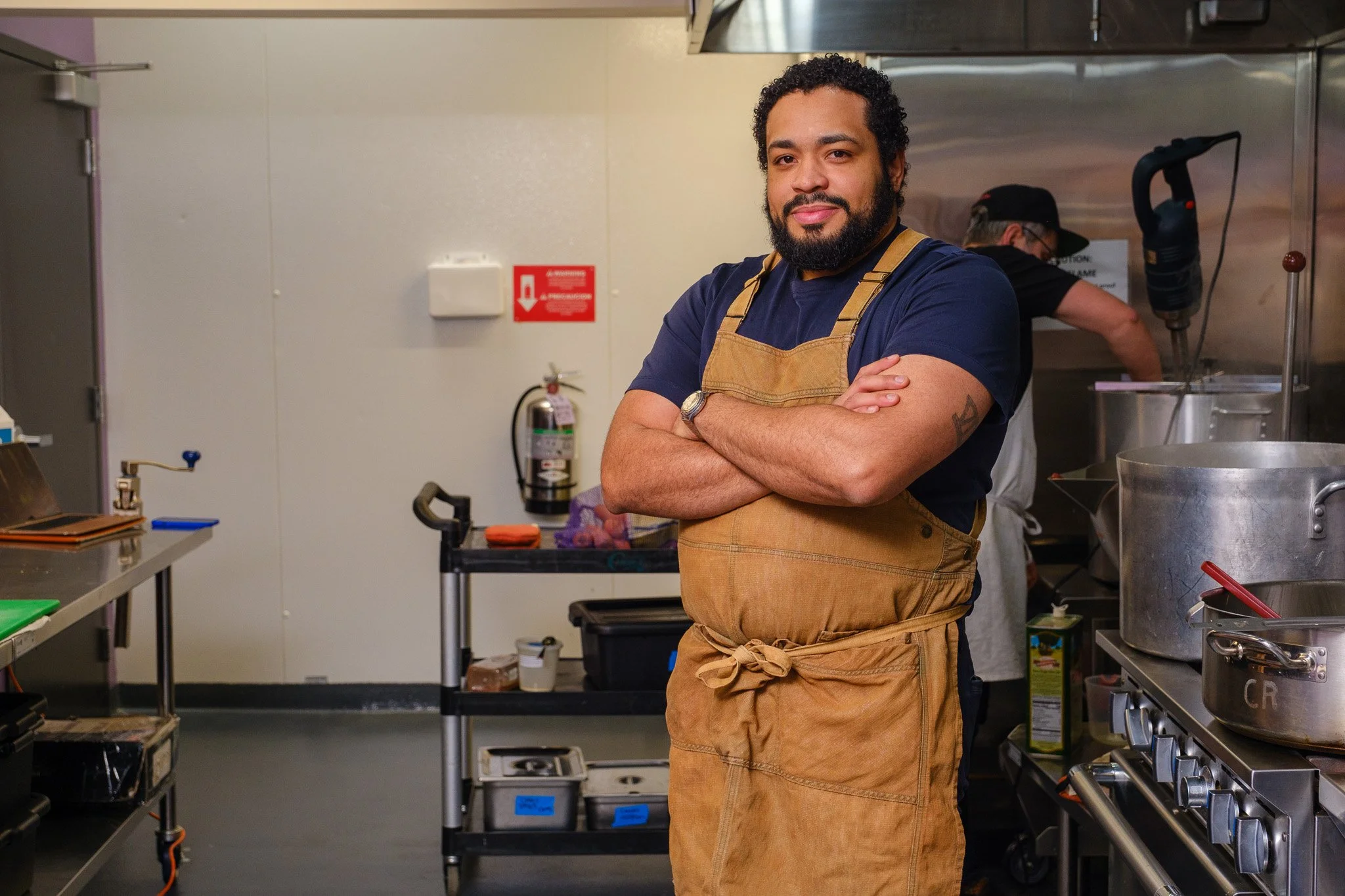
MEET: CHEF RIANY MENA, CAPITAL ROOTS INCUBATOR KITCHEN
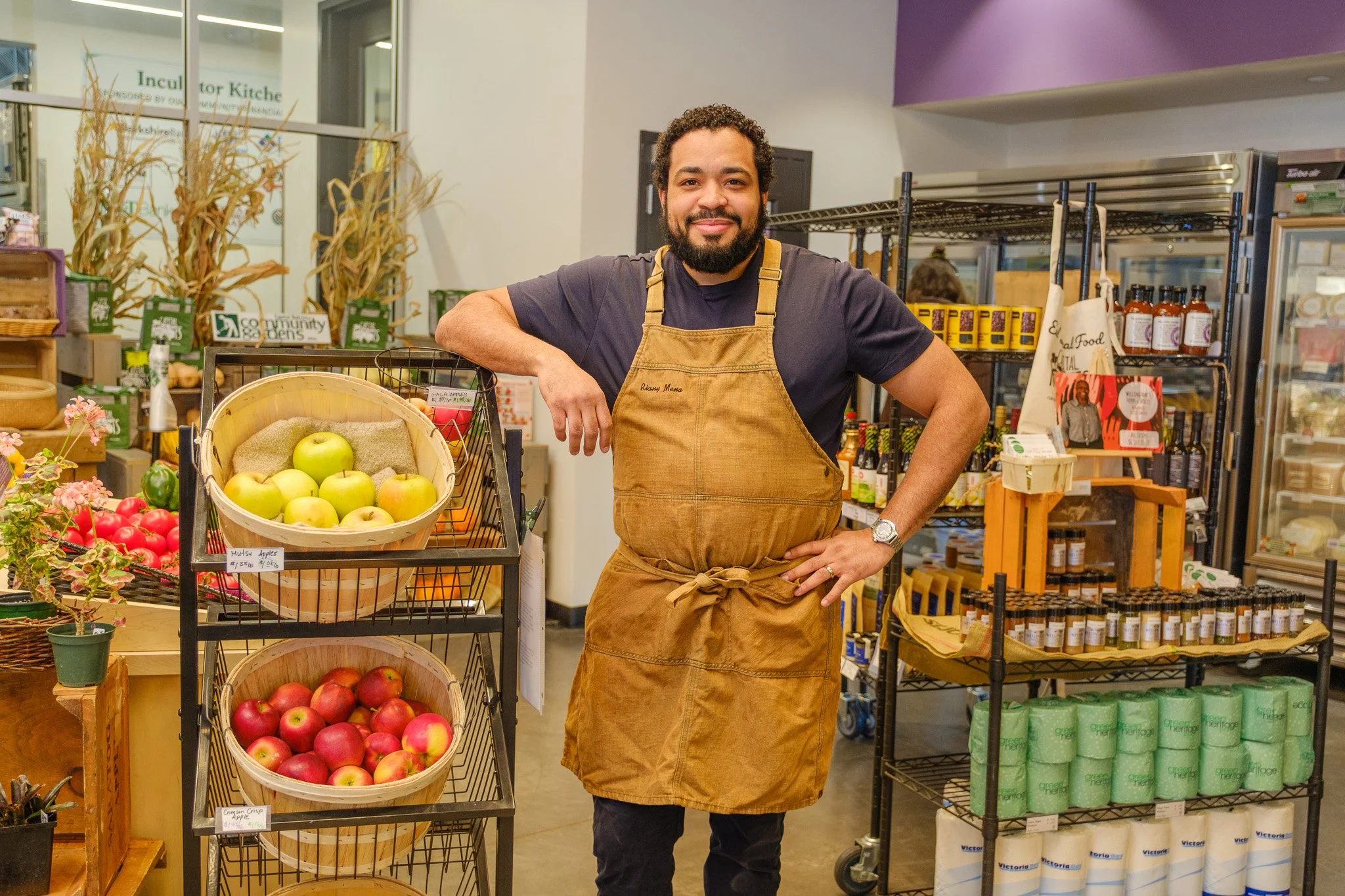
Dominican Chef Riany Mena talks Latin + Asian flavors, launching Pataconia, cannabis-infused dinners + why he stepped back from the restaurant industry to reignite his passion for food.
Interview : Susie Davidson Powell
Photos: Victoria Sedefian/The Dishing
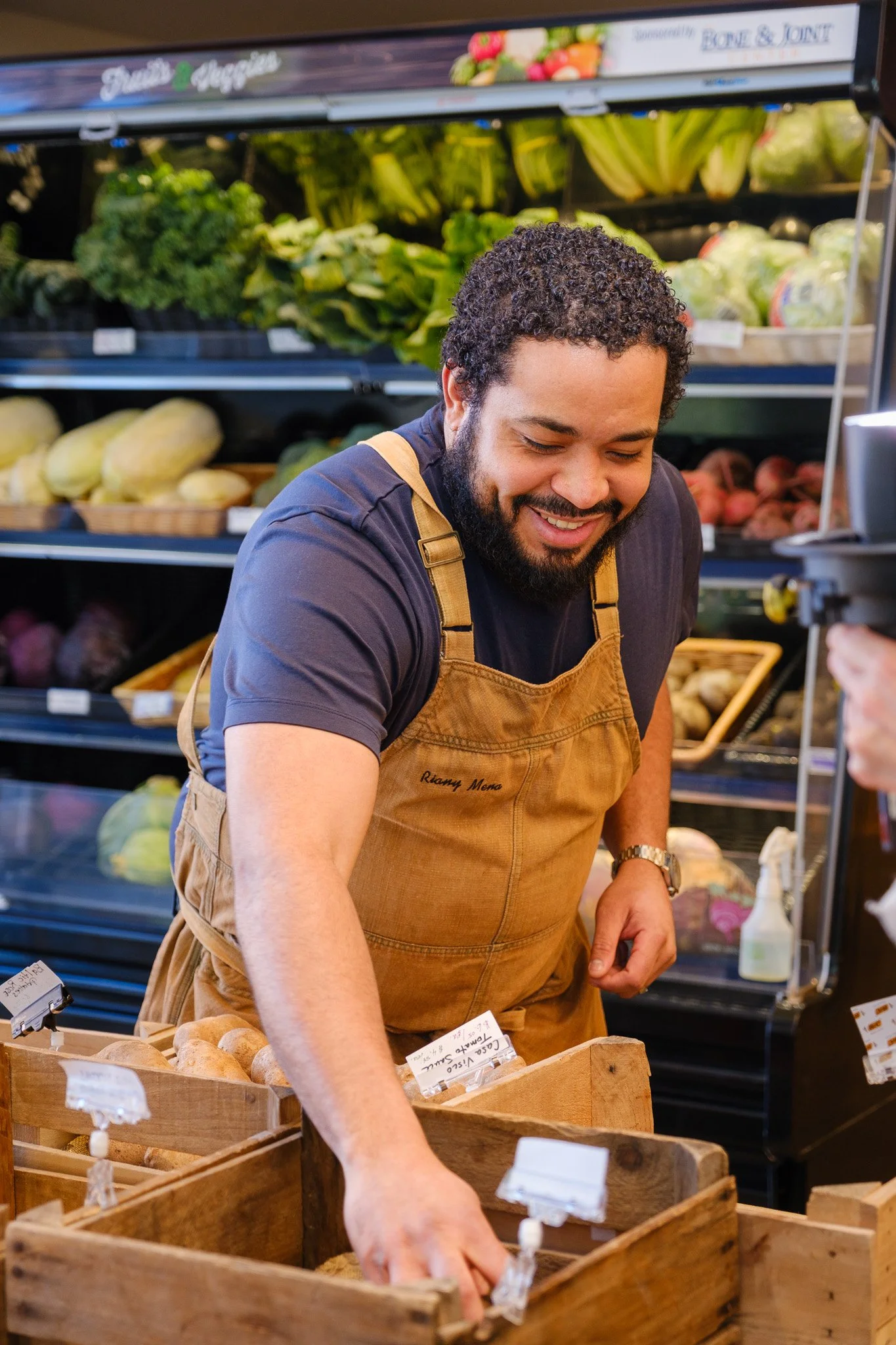
Location: The Good Food Market at Capital Roots, Troy, N.Y.
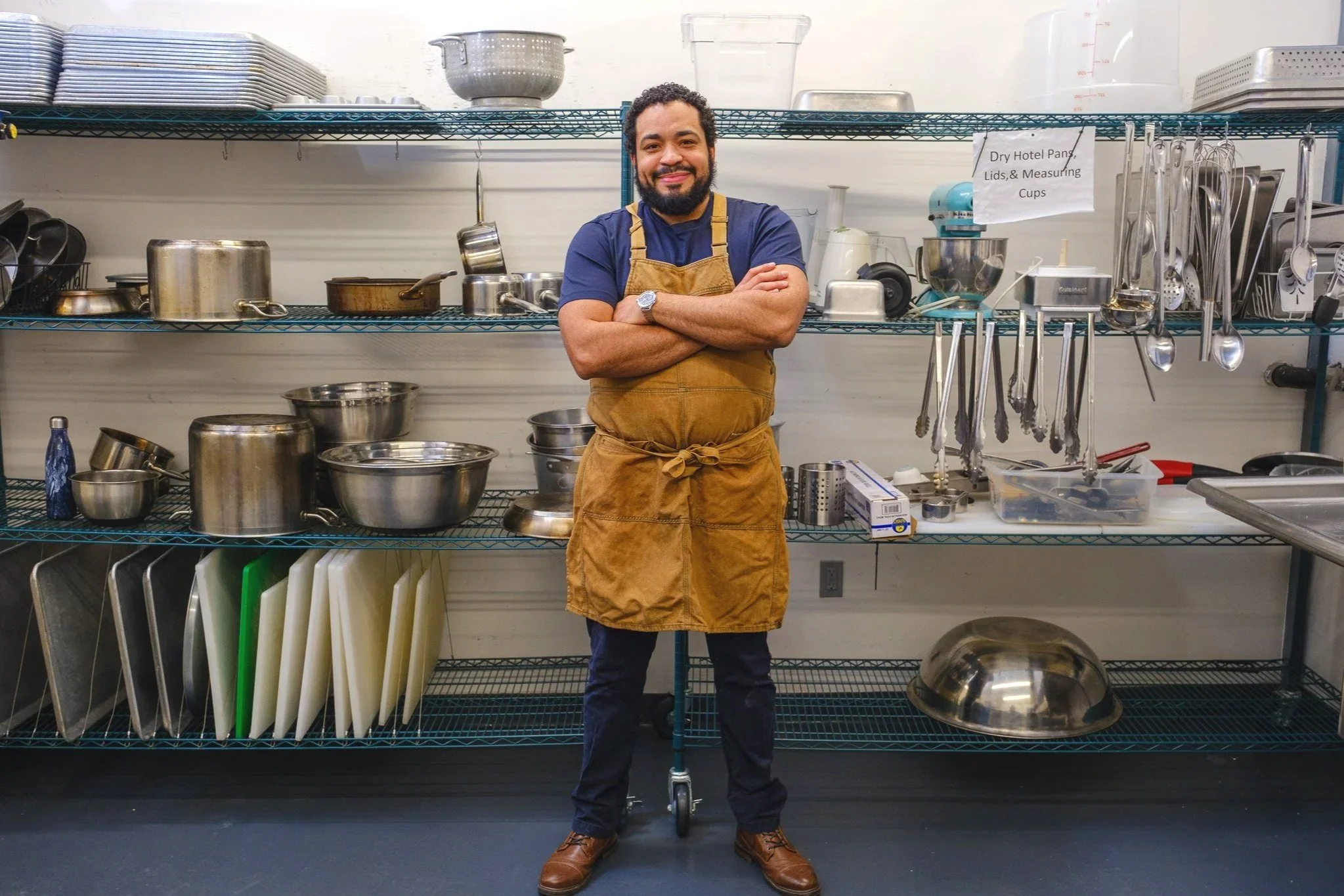
Tastemaker: Chef Riany Mena
Current Position: Kitchen Lead | IG @menubymena
Where: Incubator Kitchen at Capital Roots Good Food Market | IG: @capitalrootsny
Private business: Menu by Mena | Website: menubymena.com | IG @menubymena
Hometown: Santiago, Dominican Republic@menubymena
Current city: Cohoes, NY
Personal style: chino pants and T-shirt, and L.L.Bean fleecesmenubymena.com
Listening to : Stay in Wonderland - Le Monteiro, and I am always back and forth with J. Cole, Dave Brubeck, Tchami, and many more in those genres
Favorite classic cocktail or non-alc drink: Classic Gin Martini
Coffee or tea. What’s your order?: Coffee - Cold brew, black
Favorite restaurant anywhere in the world: Right now it’s Oxomoco in NYC (but this is constantly changing as well)
Biggest professional industry influence(s) (or anyone you admire): Matt Orlando and Dan Barber. There's definitely a lot more, but these two chefs are doing awesome things with organic and responsibly grown ingredients.
Industry trend that should end: Massive versions of foods, like extremely large pizzas or gigantic burritos!
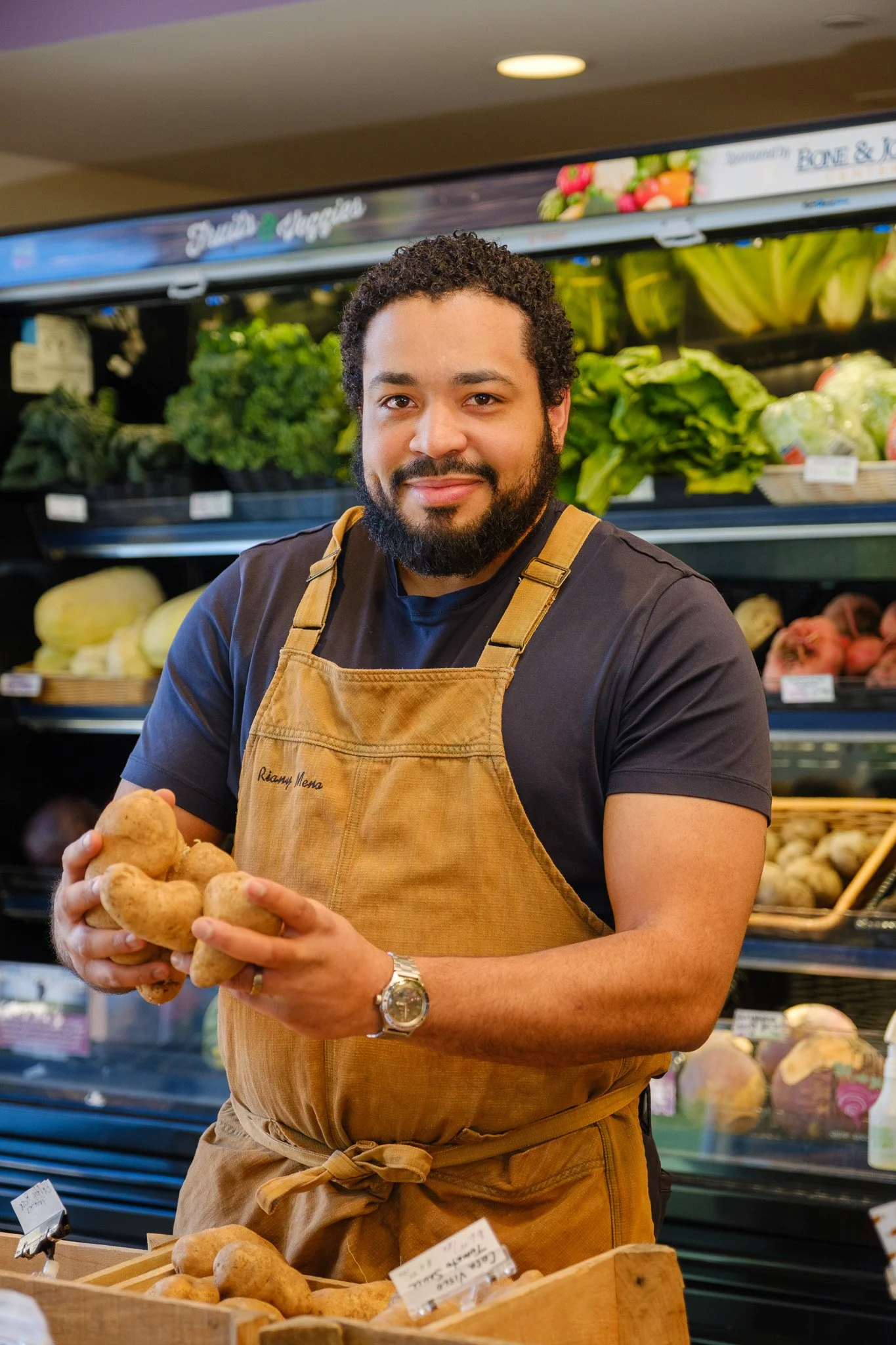
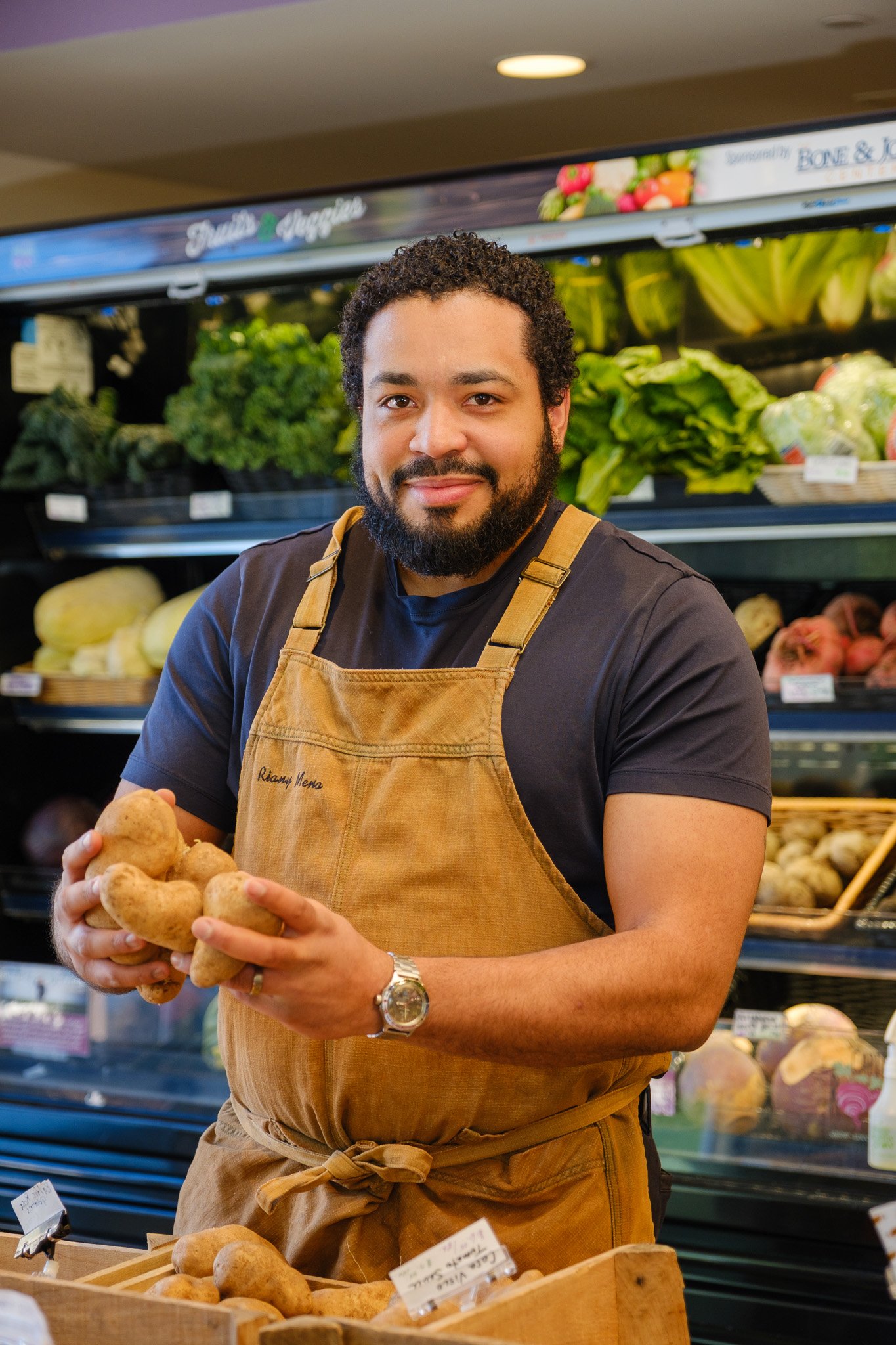
Welcome to The Dishing’s Quick Serve interviews where we talk matters of taste with tastemakers in the hospitality industry and trailblazers at the intersection of food, culture and art. Today we’re talking with Chef Riany Mena, the former Executive Chef of Toro Cantina on Albany’s Wolf Road, who recently stepped away from the restaurant industry to oversee the Incubator Kitchen at Capital Roots Good Food Market, reconnect with his passion for cooking, and turn his free time to growing food.
Chef, thanks for talking with The Dishing! We’ve known each other since you and your wife opened Pataconia in the now shuttered River Street Market in Troy. You were already an experienced chef before moving to the Capital Region after the pandemic, but what was the culinary motivation behind opening Pataconia?
Thank you for having me. I always loved combining Asian flavors with Latin flavors. One night I put together a patacon that combined these two cultures. A patacon is a double fried plantain sandwich that originated in Venezuela, and became popular in the Caribbean and Latin America. This patacon had chicken tossed with a gochujang sauce, escabeche and avocado. After one bite I knew I made something incredible. The flavor balance was perfect: some heat that was balanced with the fat from the avocado, and acidity from the escabeche, and the sweet and savory from the gochujang combined with the plantains. I knew I could do something with this, thus Pataconia was born.
You were born in the US, raised in the Dominican Republic, and moved to Brooklyn when you were 19-years old. How did you first start working in restaurants?
I moved to Brooklyn in 2011 at 19-years old, not knowing English but chasing a dream of becoming a film director. I have always enjoyed being creative, and loved movies so that seemed like a no brainer for me. After some years in the city, studying filmmaking seemed too out of reach and unrealistic, so I pursued other things like music production and even considered acting.
During that time I worked in various fast food restaurants, and while I enjoyed the pace of working in those kitchens, I never saw myself pursuing a career in that field. It wasn't until I worked for a hospitality company that my perspective changed. I found myself in a world that I knew nothing about and that ignited an obsession to learn more.
I was lucky enough to be working under Chef Michael Yang. He saw the hunger in me to learn and encouraged me. He even created menu items just so I could learn new techniques. He also gave me homework to go home and learn something new. He was of Asian descent, so he would give me really fun menus to work with like Asian tacos, ramen bars, bibimbap, jianbing among other things that got me more interested in learning more Asian flavors. Making Asian tacos was fun but what really sparked my interest in combining my roots with Asian flavors was when I heard of a restaurant making sushi with plantains: Mama Sushi, a Japanese-Latin fusion restaurant in NYC. Once I tried it I became obsessed with making sushi and now look for any opportunities to make Latin sushi.
At some point you were doing elaborate cannabis dinners, right?
Yes! I worked for a chef friend of mine, David Yusefzadeh. He owned a cannabis-infused ice cream company and also runs a cannabis-infused dinner event company in Boston called Sacrilicious. During my time with his company, I was able to work some of his cannabis dinners and I was even able to collaborate on my own Caribbean-themed cannabis-infused dinner. This was a really fun experience because these dinners are not just about getting people high, Dave goes deeper than that by applying a chef's mindset in how he infuses every dish by combining the terpenes profile of each strain to the flavor profile of the dish. That's the part that I found really fun to do, and even though I am not an avid cannabis consumer, cannabis dinners are definitely on my list to do again in the future.
Until recently you were Executive Chef at Jamie Ortiz’ very popular Wolf Road restaurant, Toro Cantina – a fast-paced environment with a lot of nightly covers, and a large team. You are now the sole Kitchen Lead for the incubator kitchen, an on-site co-working space for fledgling food businesses, inside the Capital Roots Good Food Market. First, can you describe your new role and talk about what made you step away from the industry?
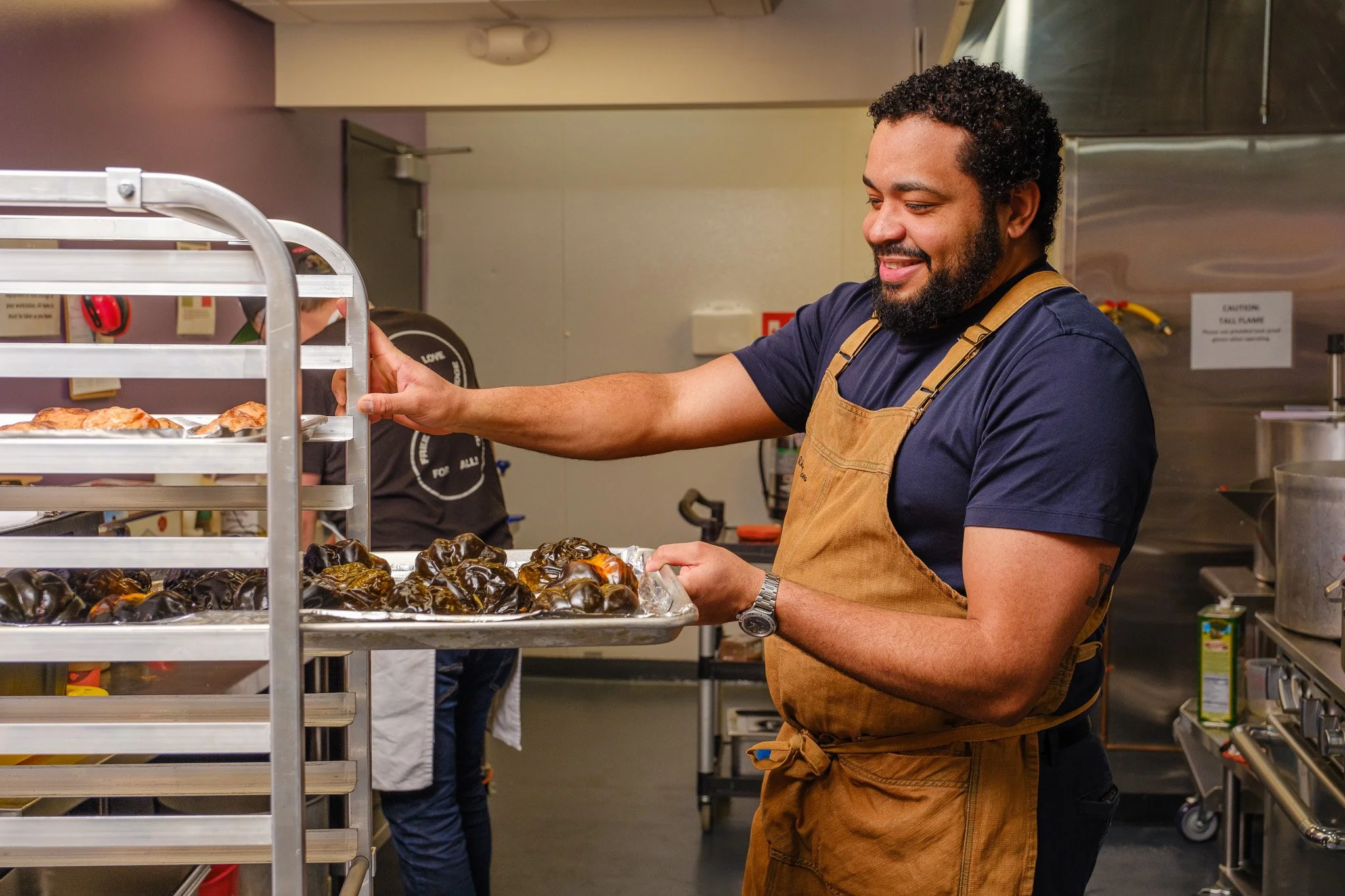
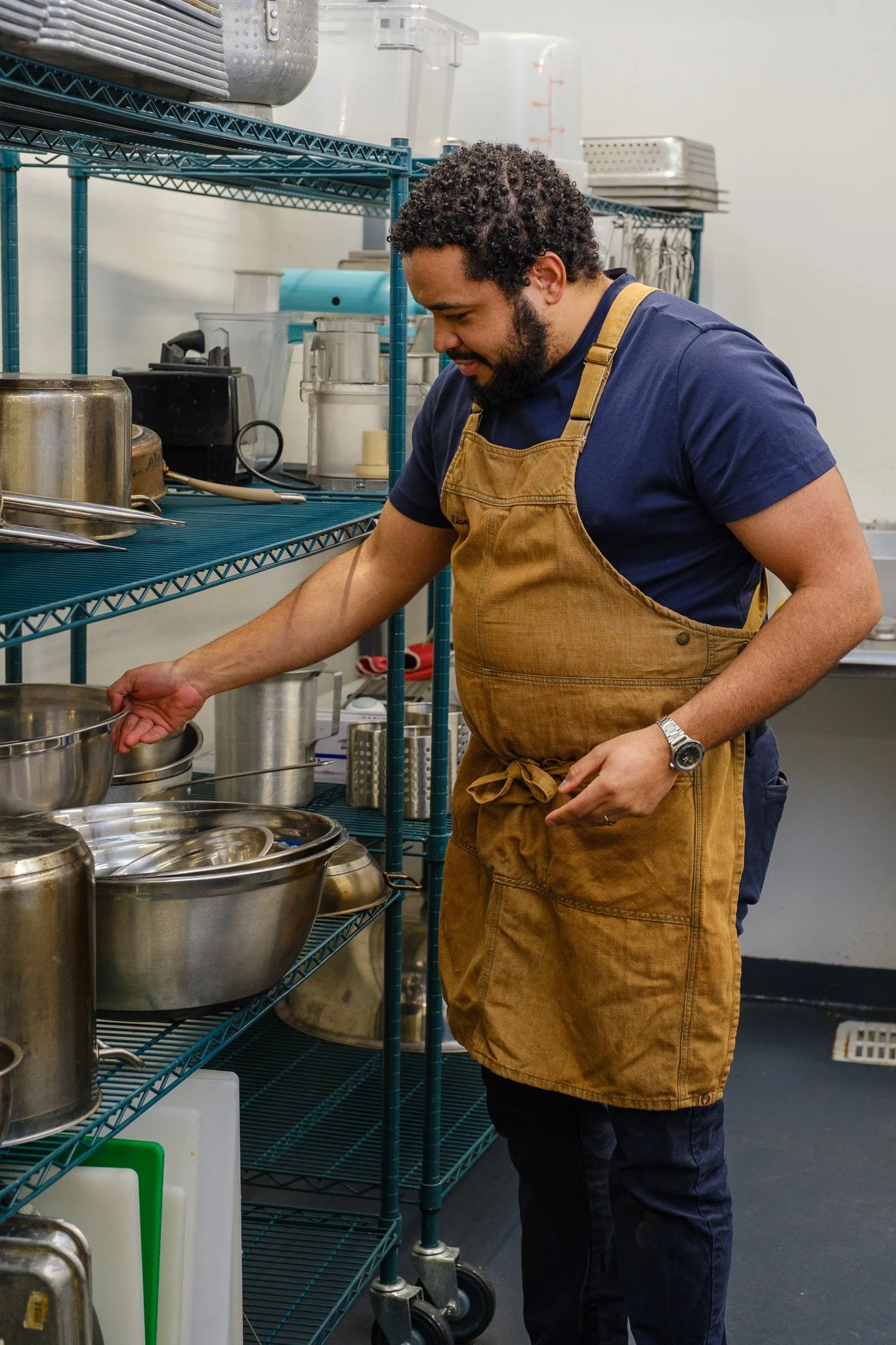
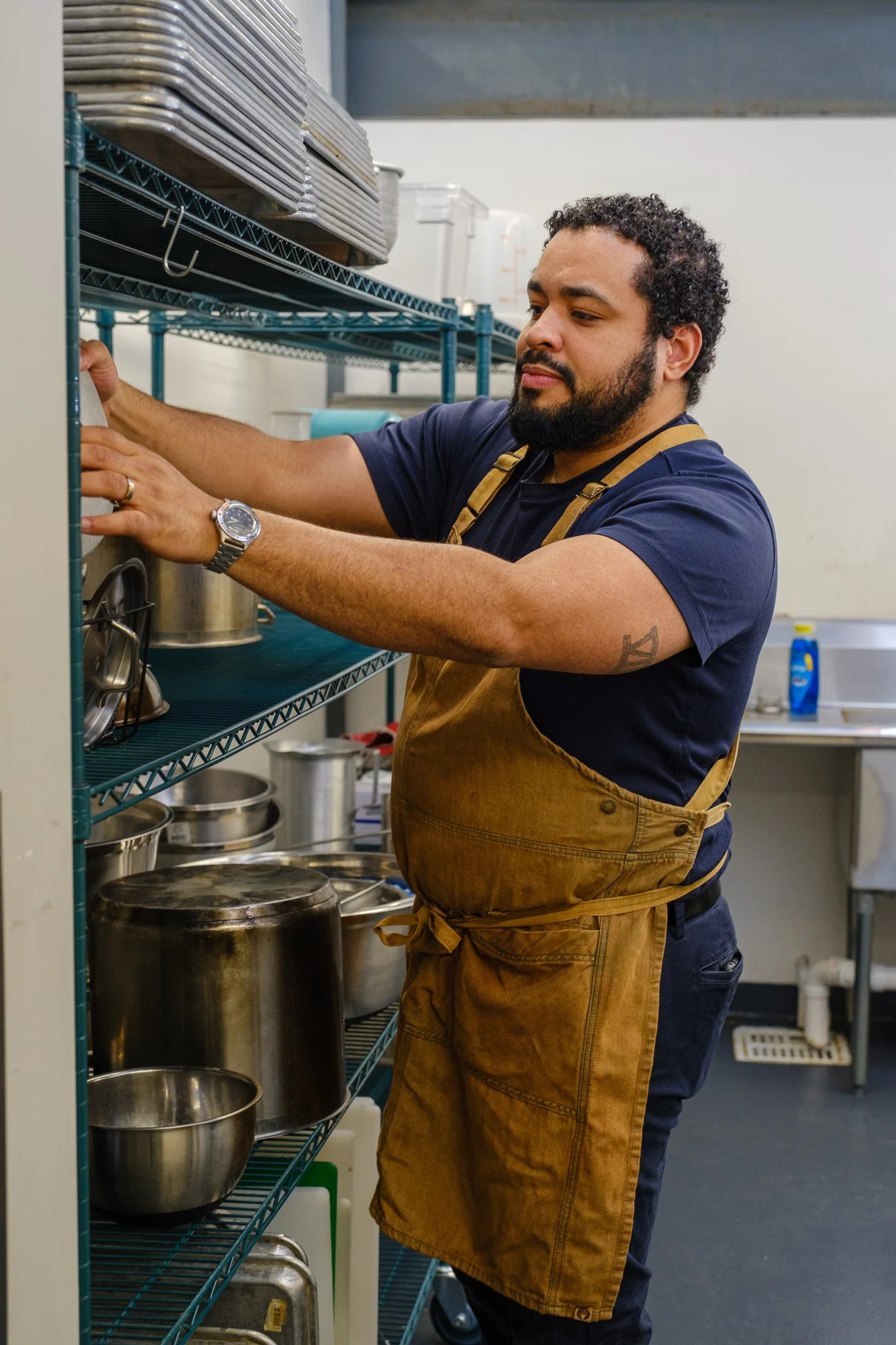
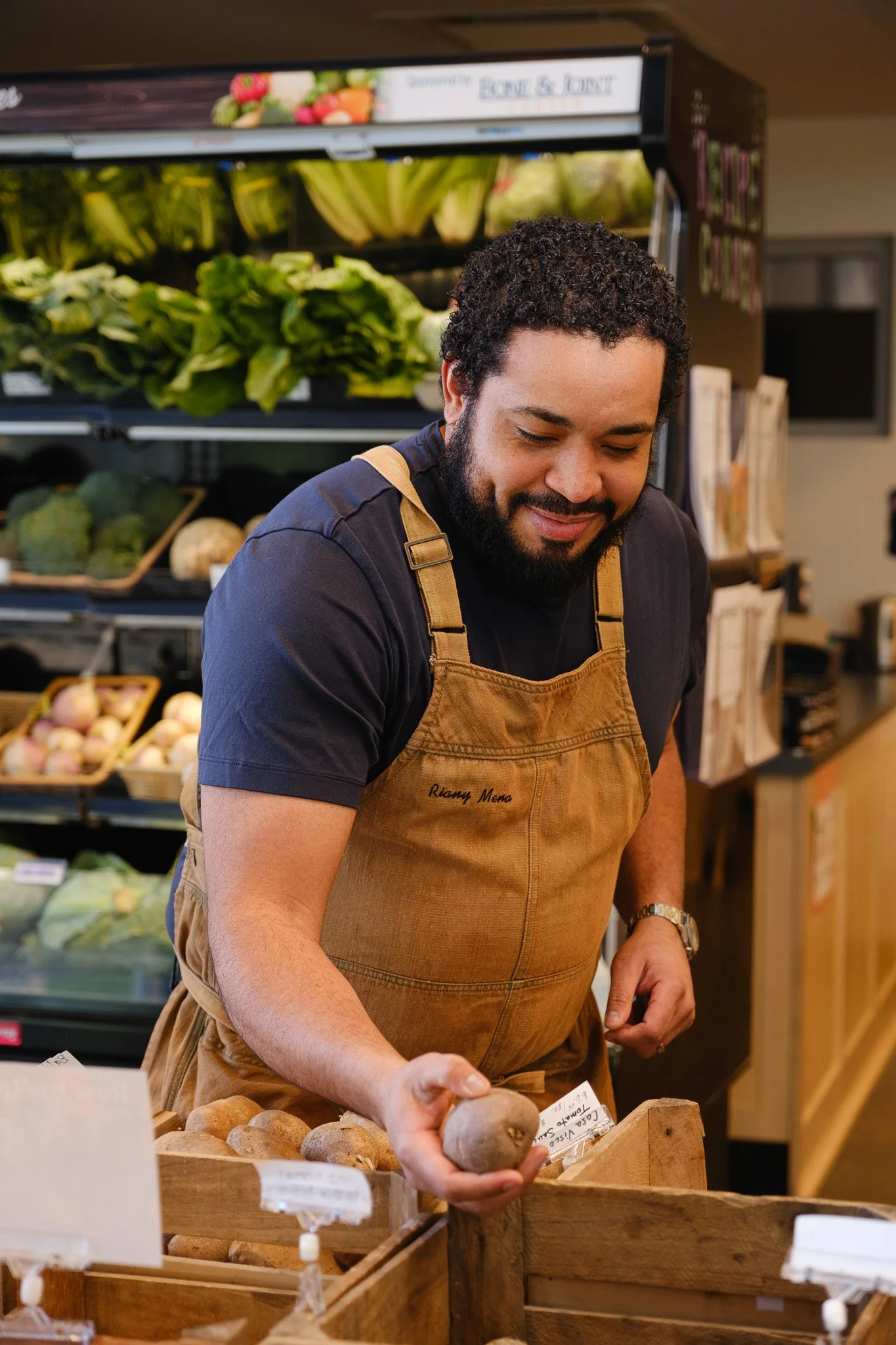
I am in charge of meeting with potential new members, doing tours of the kitchen, and processing new applicants that want to become members of the incubator community. I am also in charge of the daily housekeeping tasks such as keeping the shared space kitchen stocked with everything our members need.
What made me step away from the restaurant industry is realizing that I need time to reconnect with what I am truly passionate about. Running a restaurant is a lot of work, which I am all up for, but that work has to carry meaning beyond making money to pay the bills. I understand that working in the hospitality industry becomes more of a lifestyle and your life can easily revolve around your work, but I needed a better balance for me and my family. I wasn't going to find that running a restaurant that’s open 7-days a week, so I decided it was time for me to step down and regroup.
You and your wife, Alexa, have a new baby. Congrats! I always ask chefs and industry pros how they create a work/life balance. Many talk about burnout and the reality of long hours. Has your new role made it easier to craft that balance?
Thank you! It has been a blessing. Running a restaurant means you are putting fires out all day long, even on your days off. It makes it difficult to disconnect from the stress of the restaurant even at home, sometimes the work even follows you on vacations. Now I have all weekends off and no more late nights which has allowed me to be home much more and watch our son grow.
What do you do to relax?
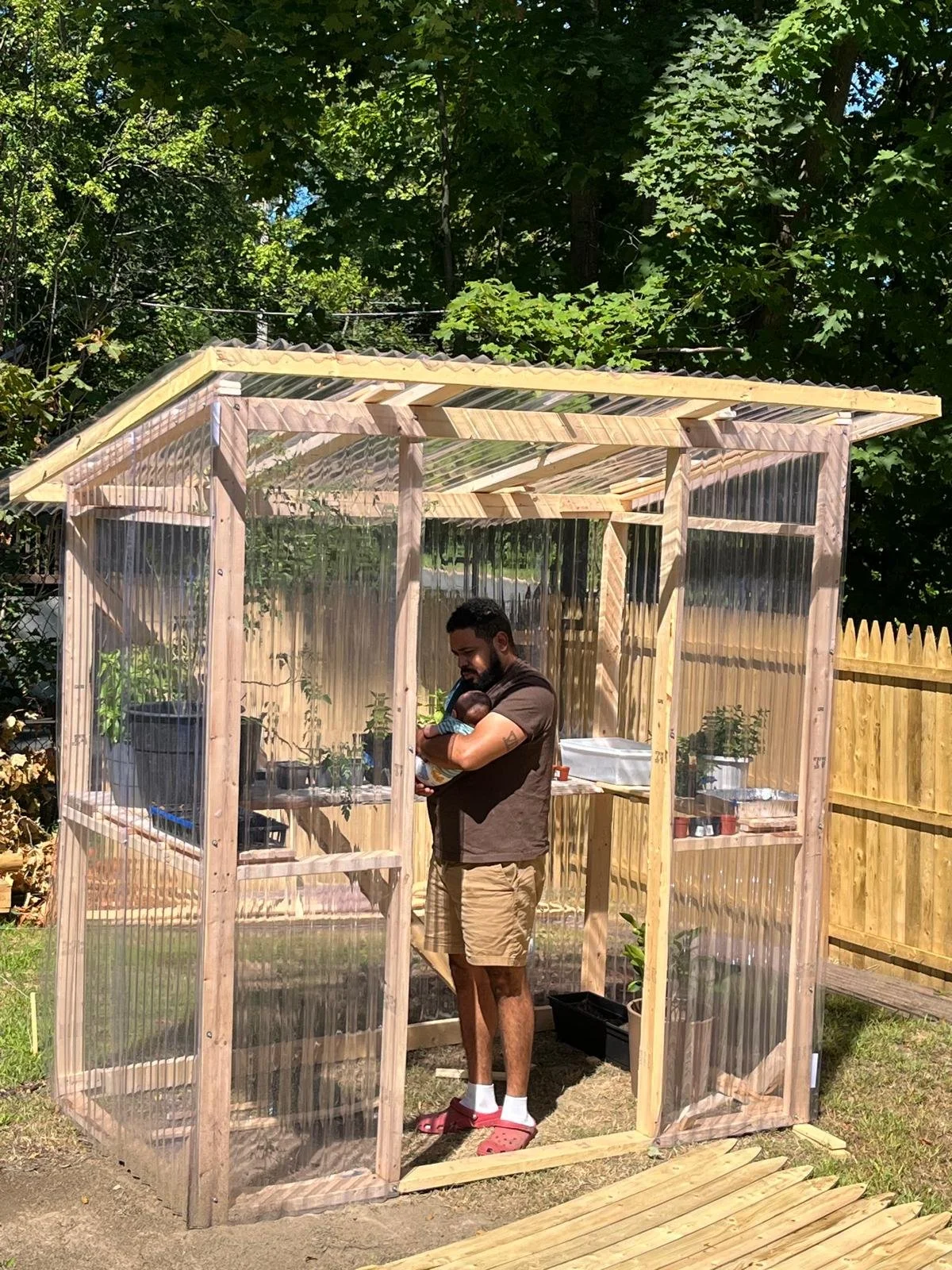
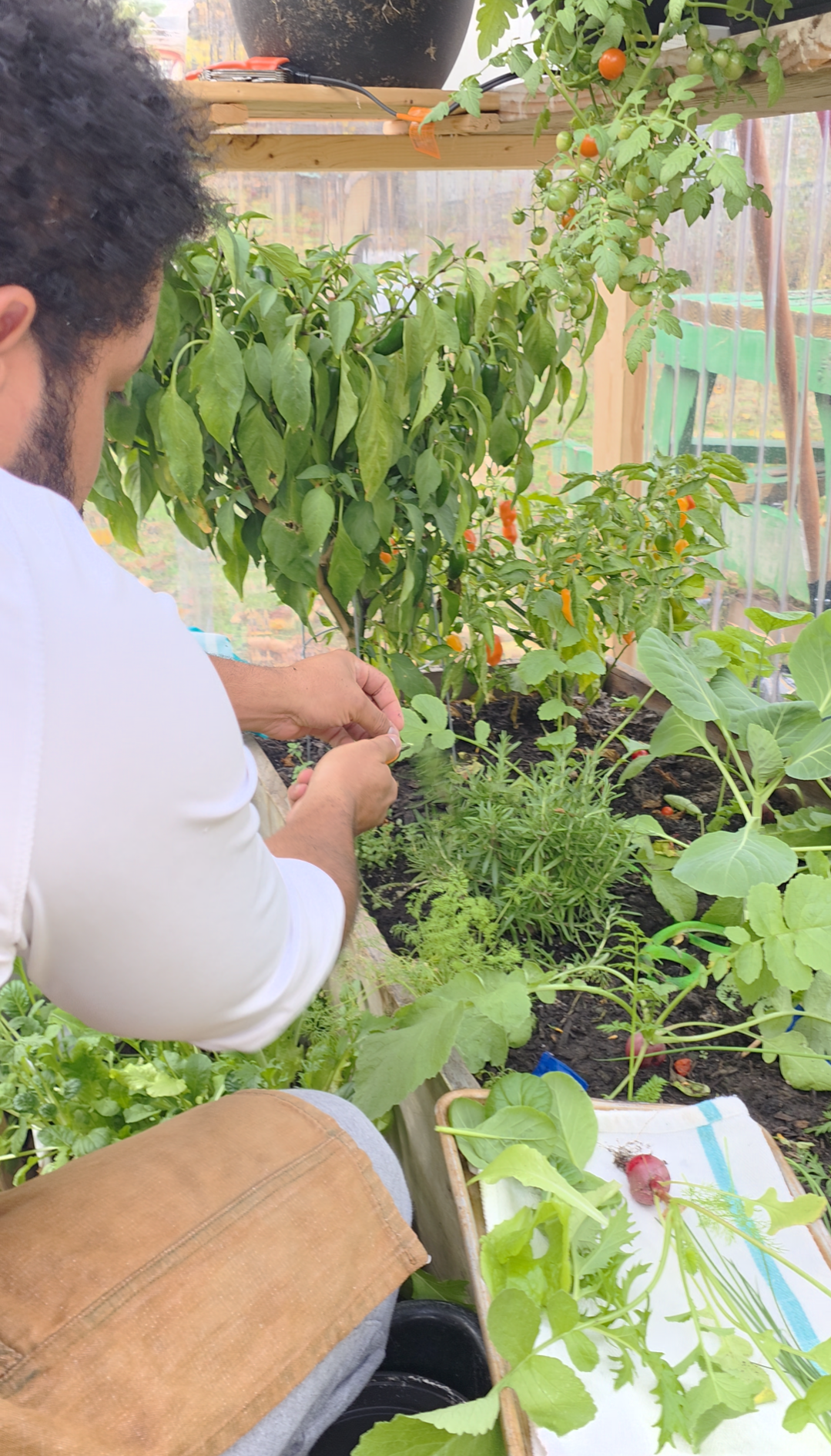
I have a new obsession with growing my own food. I spend time doing research and even built a greenhouse last year so that this season I can be a little more successful than last year. Now I have this dream of using ingredients that I grow for any private dinners, which I did a little bit last year, but this year I want to have even more ingredients available.
Throughout your career path you have had your own private chef business and even after Pataconia closed you were often doing pop up collabs. I see you’re doing more pop up dinners now like the one at Indian Ladder Farms. Is this a side of the business you’re growing?
Yes, while I did quit the restaurant industry, I am not done with cooking and hospitality. I want to continue doing private dinners and ticketed dinners on the weekends to stay connected with food. Private and ticketed dinners allow me to be creative with the menus and challenge myself to try something new.
You participated in our Sonic Dish series where we pair a chef and a DJ and you noted that you like to “break the mold and try different things.” What’s your source of inspiration for your dishes? Do you draw on Dominican taste memories?
Yes, my goal is to create dishes that represent part of my culture, my story, my journey through life and the culinary world. For example, I always look for opportunities to make casabe or wasakaka for dinners, or even just adding plantains. I want to do it in ways that are new to people that don't know Dominican flavors, but also new to those who do. I like to challenge myself and do things that I might be unfamiliar with and learn a new skill along the way.
What are your earliest childhood memories of food? Who cooked at home or taught you to cook?
Visiting my grandma in the countryside of the Dominican Republic, her backyard was full of fruits and some livestock. She had mango trees, plantain trees, guava trees, tamarind, and chickens. My earliest memory of food is picking fruits from the trees to snack on.
My mom was always cooking. My favorite dish is stewed chicken with rice and beans. To this day I look forward to when she's cooking it. She did teach me how to make Dominican spaghetti. It’s spaghetti cooked with peppers onions, garlic, tomato paste, cilantro and spices. The aromatics are sauteed and then cooked with the tomato paste before adding the spaghetti. You can also make it creamy by adding some milk before the spaghetti and essentially making a cream sauce for the pasta.
What are some of your favorite flavors or spices? If you were traveling, which 3 ingredients would you bring?
I love mango—it brings back childhood memories and is versatile because it can be used in both savory and sweet dishes. If I was traveling I would definitely bring garlic and onions, maybe paprika too.
The pandemic obviously hit the restaurants and hospitality industry hard. What’s the biggest change you’ve seen in the industry in the last 5 to 10 years? And what do you see as the future for the restaurant industry?
Customers, now more than ever, want their experience driven by story telling; they don't just want food, they want some sort of entertainment as well.
I think, or at least hope, that in the future customers look to support the true chef-owned and operated restaurants. Small businesses, especially in the culinary world, could really use our support right now.
What is it about your new position that inspires you? Do you have any specific goals for the incubator program?
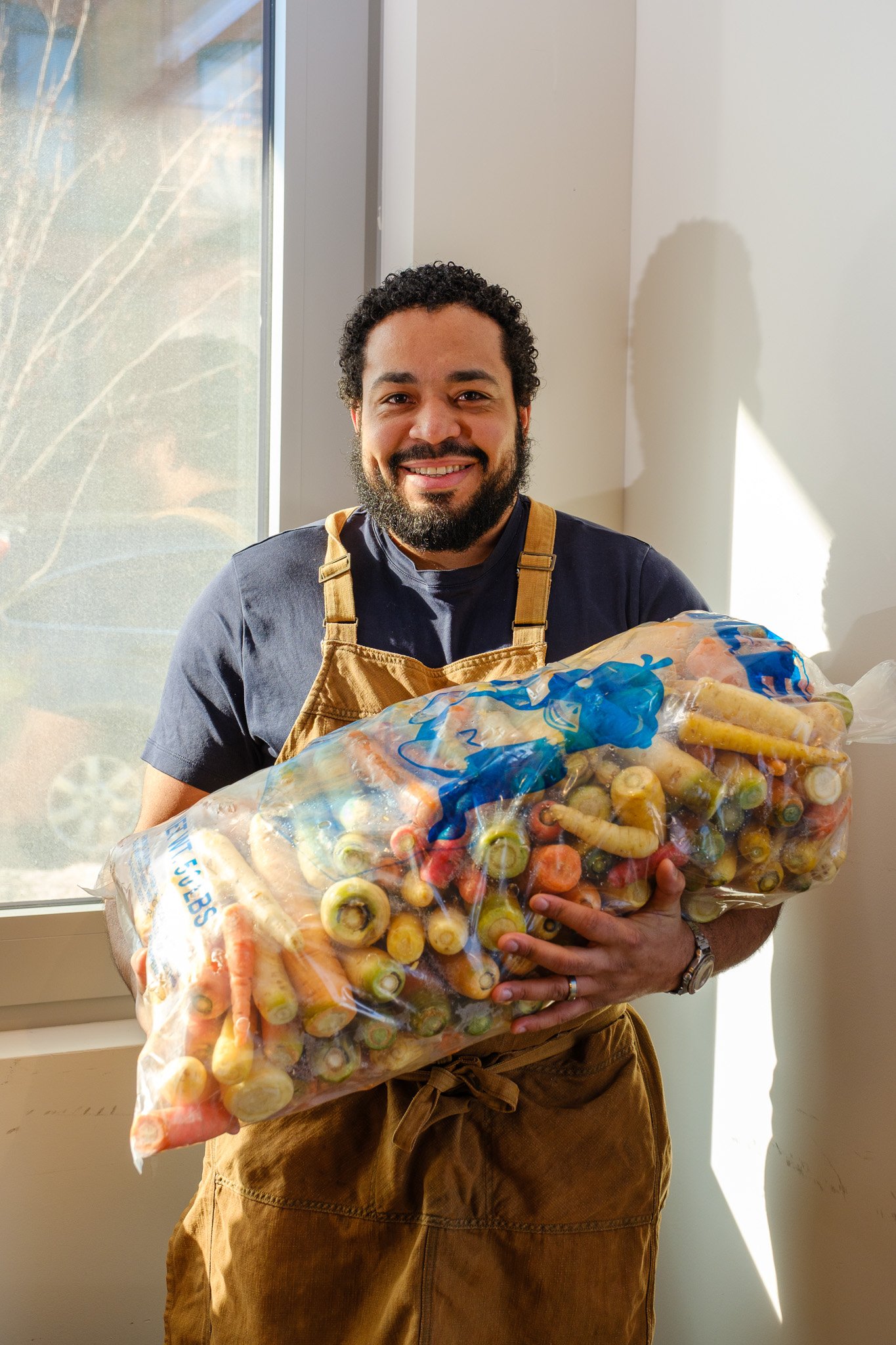
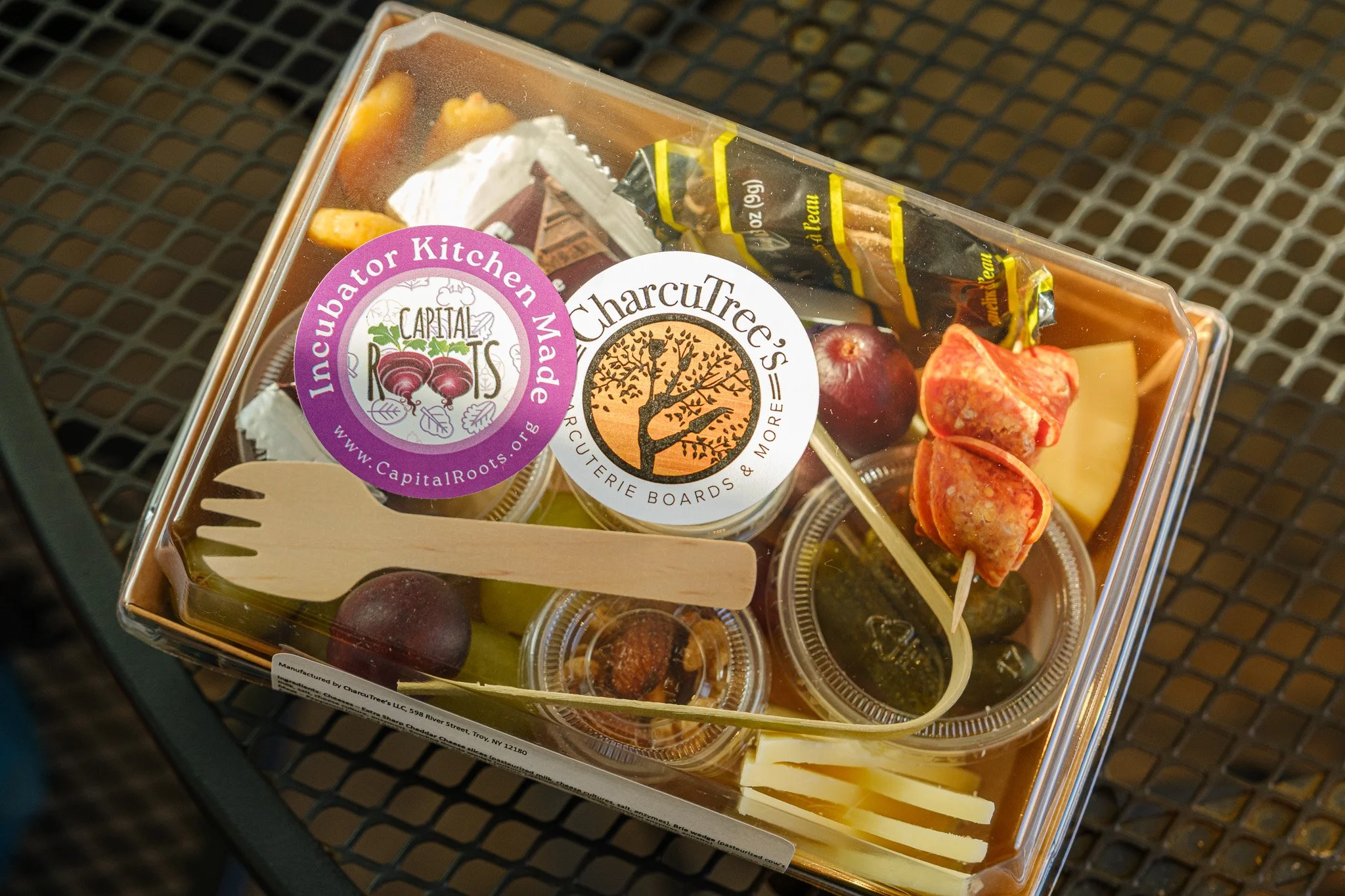
As part of the incubator program I am tasked with helping members develop their businesses by creating workshops for them to attend, and helping them get into farmers markets and popups. My goal this year is to get the Good Food Fest up and running as an event dedicated to locally-made food and local producers to showcase their products. This will be held on Friday, June 5 at The Good Food Market at Capital Roots.
For sure! And, at The Dishing, we’re looking forward to collaborating with you on that!
What are 3 of your favorite places for breakfast, lunch or dinner anywhere in the Capital Region or Hudson Valley?
Coffee: Jacob Alejandro in Troy. Breakfast sandwiches: definitely Naughters in Troy as well. For dinner: Rhea in Saratoga. I love their take on Asian flavors.
Imagine your ideal day or night out. If you could go anywhere in the world with no limits on costs or reservations, where would you go and how would your day or night unfold?
London! I would love to go back and experience all the great restaurants like Core by Chef Clare Smyth, Fallow restaurant, Restaurant Gordon Ramsey High, and also walk into a pub and have fish and chips with peas and a side of mayo.
How will you spend your next day off?
Spend time with family!
What’s your next big goal or idea? Where do you see yourself a few years from now?
I haven't completely formulated what I want my future to look like, but I know I want to create a culinary space dedicated to all things growing food, private dining, cooking classes and more.
Thanks, Chef, and thanks for talking with us today. We’re looking forward to collaborating with you on the Good Food Fest and sharing the stories behind a few of the incubator food businesses.