INTEL: FROM A GLOBAL STAGE, CHINESE WINES VENTURE UPSTATE
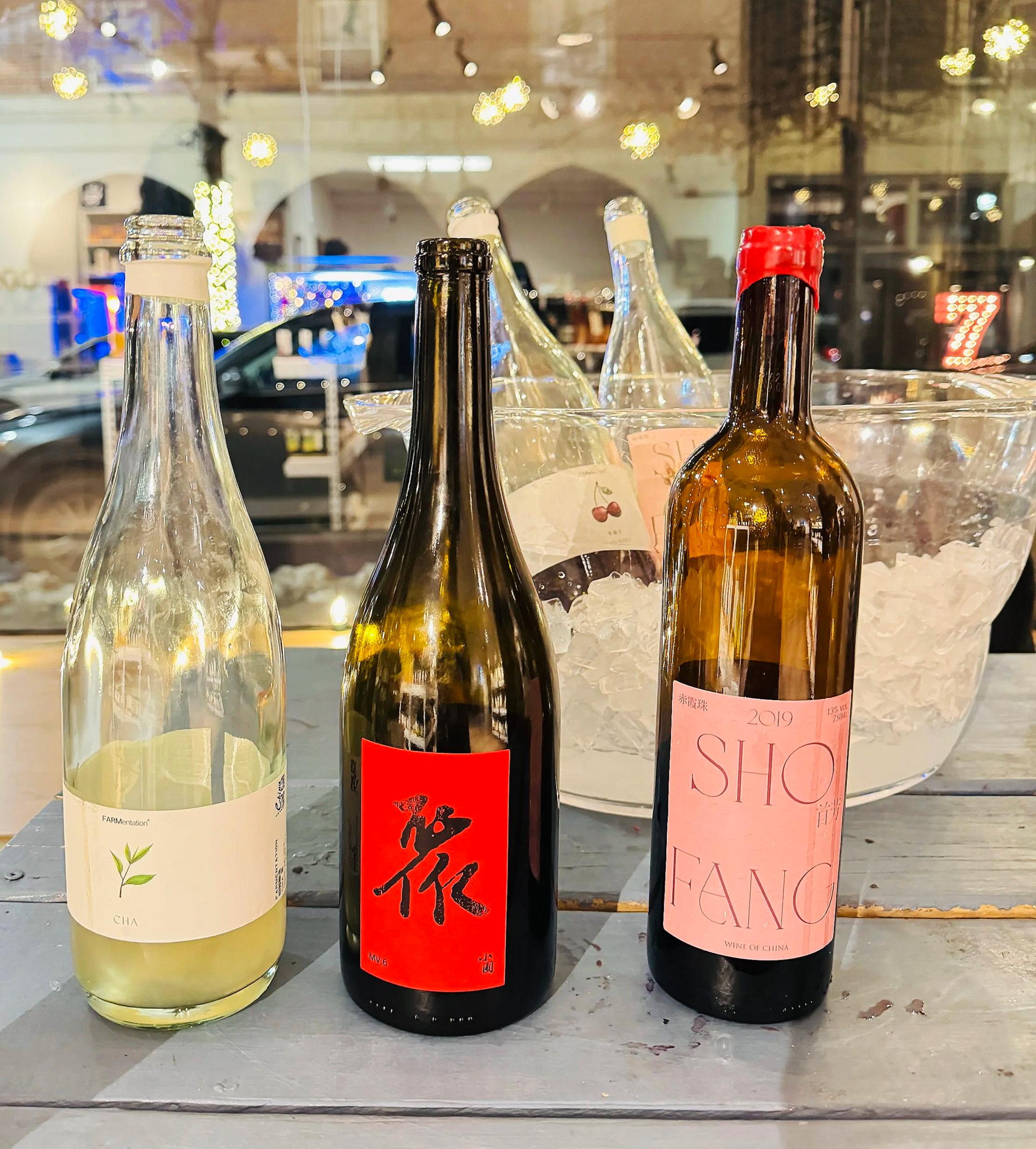
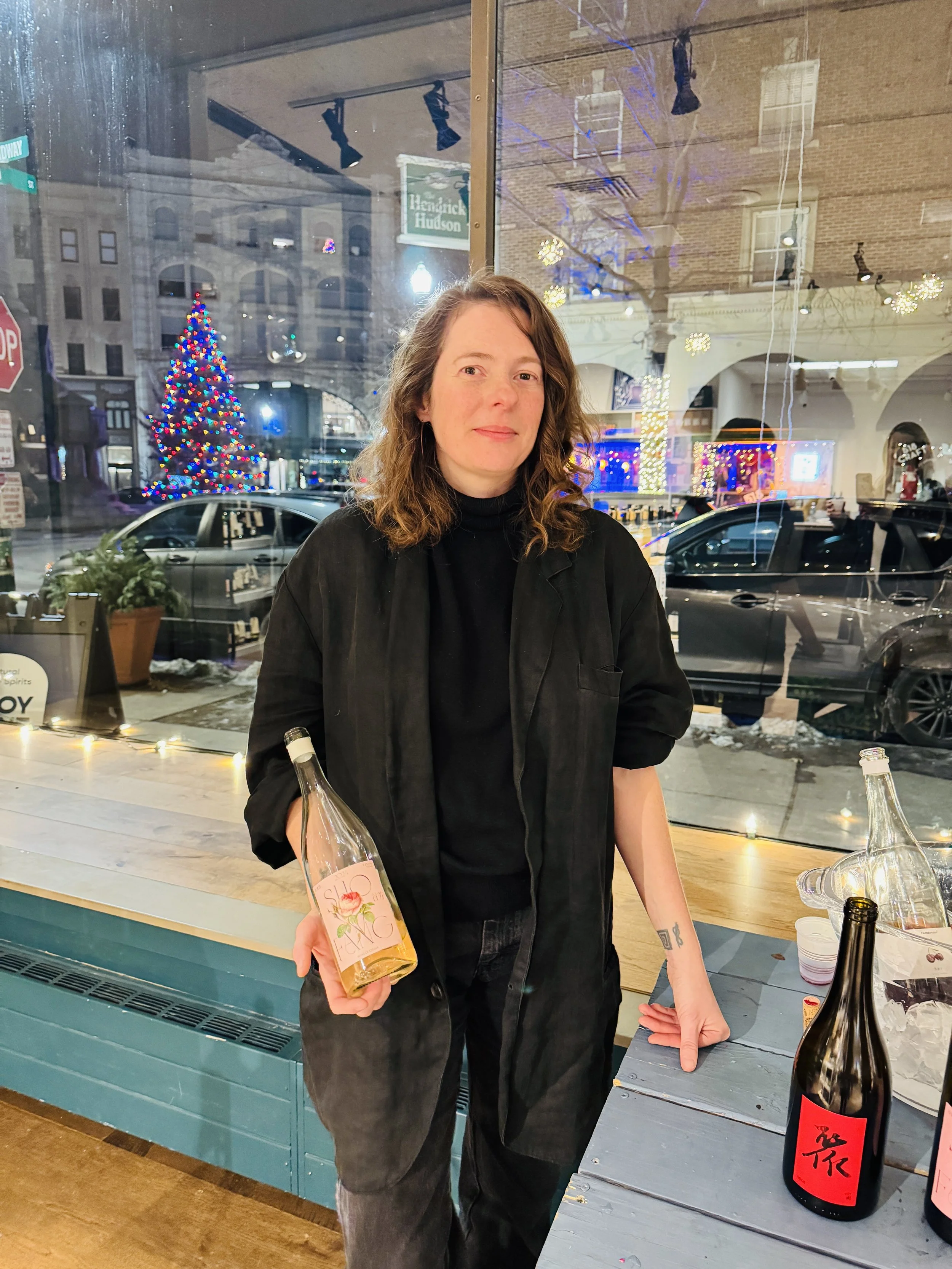
In December 2025, the Troy Wine Co. hosted what promised to be an interesting wine tasting: Lila Holland, known as the creative force behind the Hudson-based Peripheral Natural Wine Fair, was onsite with a selection of imported Chinese wine.
Reports show that although the Chinese domestic wine market has contracted sharply in the last few years, wine exports have jumped 75 percent. China joined the International Organization of Vine & Wine in 2024; Penfolds has recently bought into a Ningxia winery, while Château Lafite has been growing grapes in Shandong for over fifteen years.
Lila’s selection proved an ideal introduction so I reached out to ask about the growing interest and global market for Chinese wine. — SDP
Putting Peripheral on pause, Lila Holland trades the natural wine fair for her global import label, Carnelia. We asked what’s driving growing interest in Chinese wine.
Interview + photos: Susie Davidson Powell
April 2026
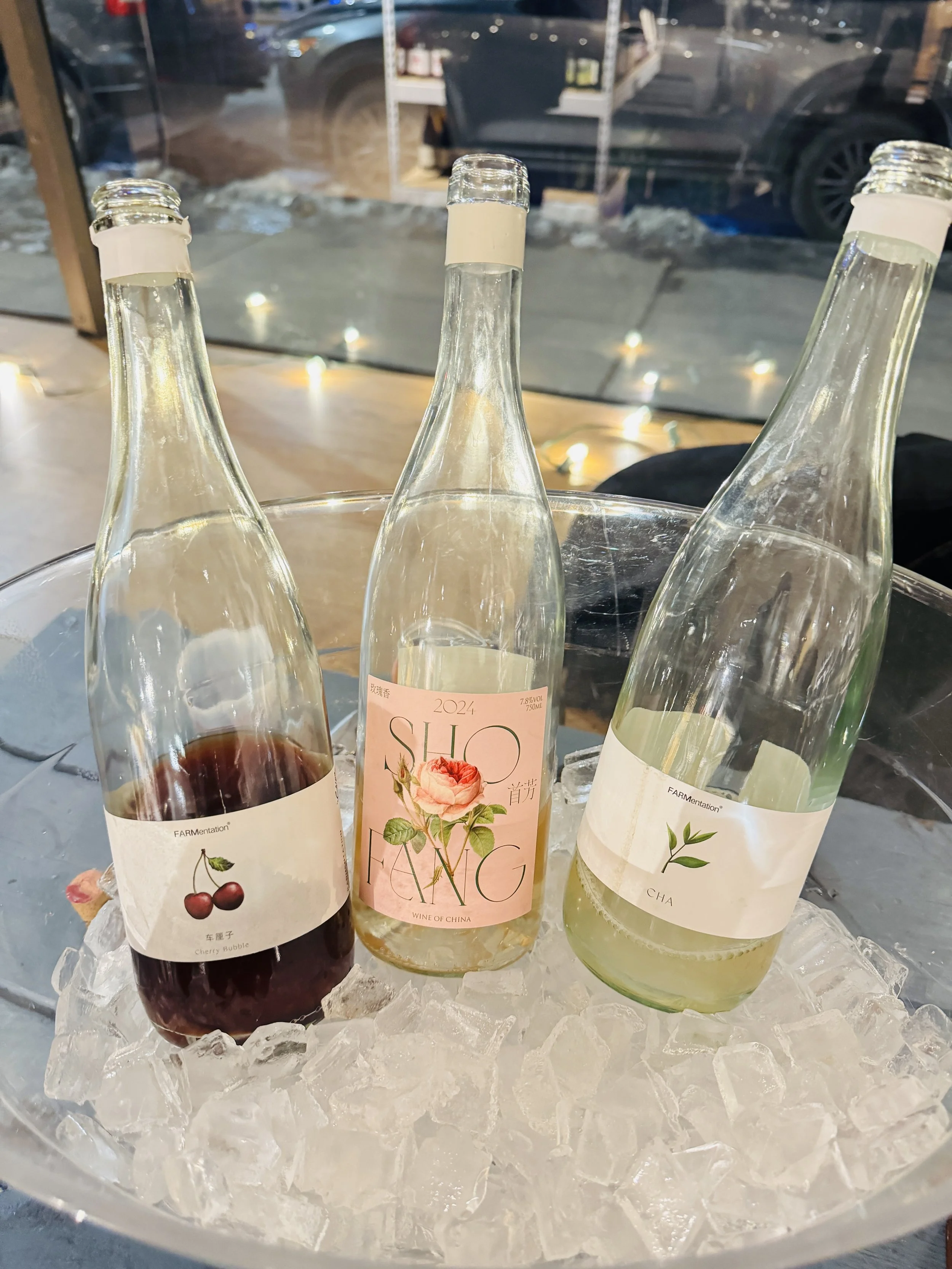
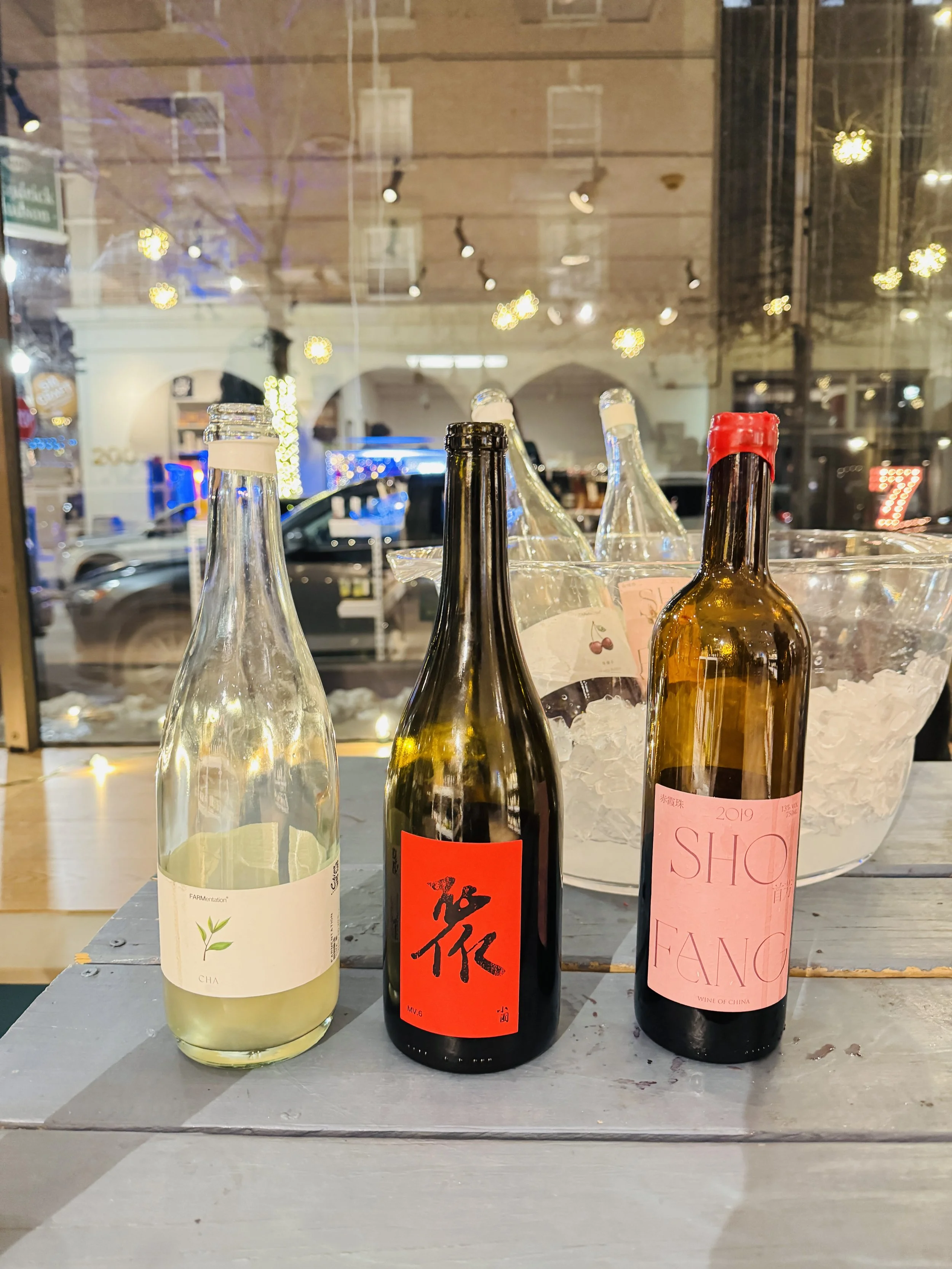
At one of Cafe Mutton’s Sunday Long Lunches, I took a bottle Farmentation Cha Pét Nat—a Chinese wine made from black muscat grapes and Yunnan jasmine tea leaves. It was of course, as much as talking point as a a huge hit. So, I reached out to Lila Holland to talk about unique aspects of China’s wine regions, terroir, technique, and the future of Chinese wine.
SDP: Lila, you're the founding force behind Peripheral, the natural wine fair in Hudson. When or how did you get involved in importing Chinese wines?
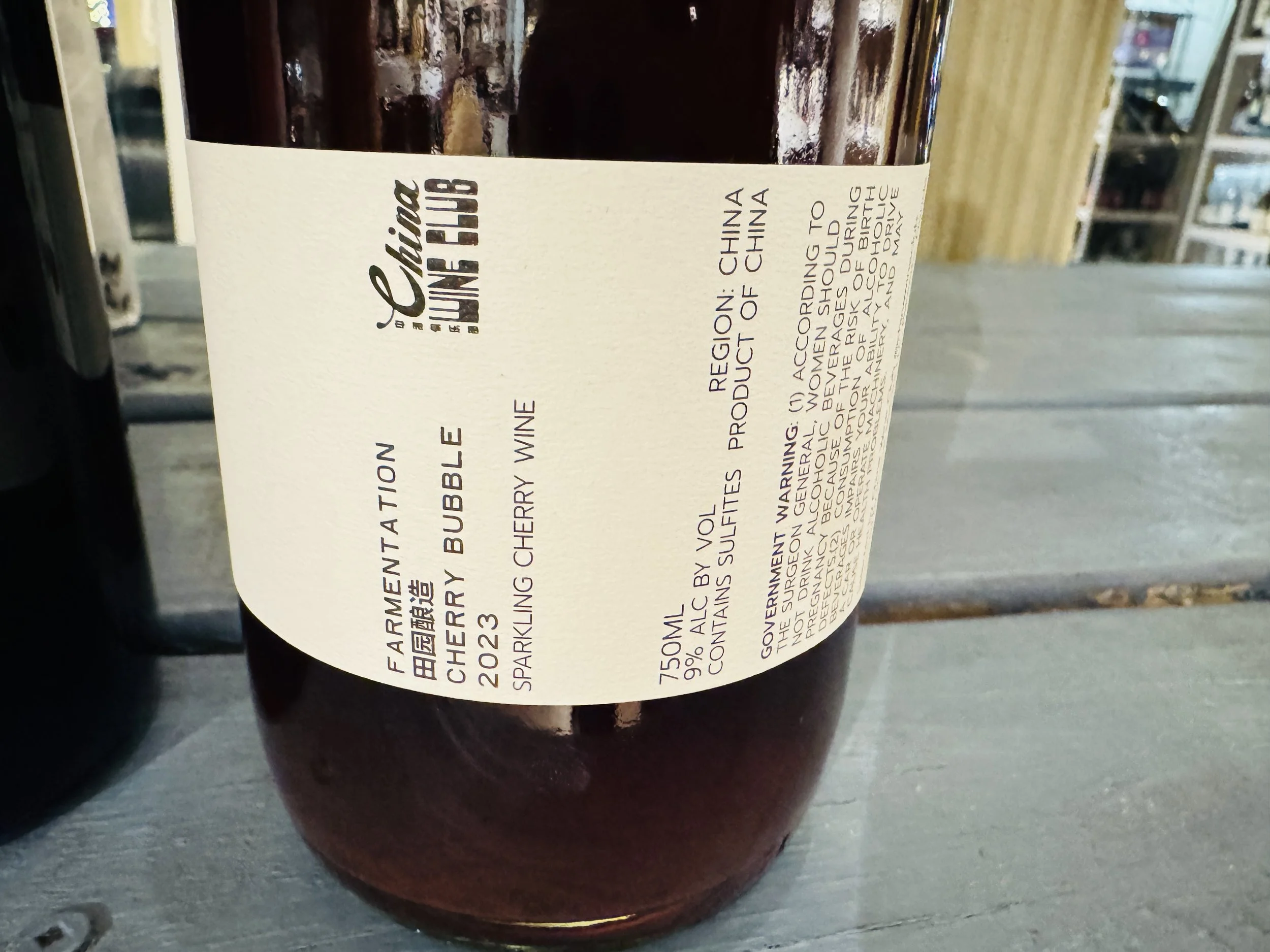
LH: Peripheral is a labor of love, the production of which requires an extreme amount of my time and energy. Lately the fair has been on hiatus as my partner Tara Hammond and I focus on building our import label, Carnelia, which seeks to illuminate the lines of connection that winemaking and agriculture can draw between people and places from down the road to around the world. When we met Camden Hauge of China Wine Club, a new web of connections lit up for us, and it was clear that we should partner with her to bring Chinese wines to New York for the first time. It's amazing to share a peach pét-nat from Fruitblood in Ohio alongside a peach pét-nat from FARMentation in Shaanxi.
Another thing that excites me about China is that it has a rich and ancient winemaking history, with evidence of intentional fruit fermentation dating back thousands of years. I've worked for a long time with wine from Georgia, another cradle of winemaking, so learning about Chinese wine feels like a natural extension for me.
SDP: People always look surprised when I mention Chinese wine. How do you introduce people to Chinese wine in terms of what they can expect in varietal, differing techniques or flavor profile? I suppose I'm asking what's unique about Chinese wine or terroir?
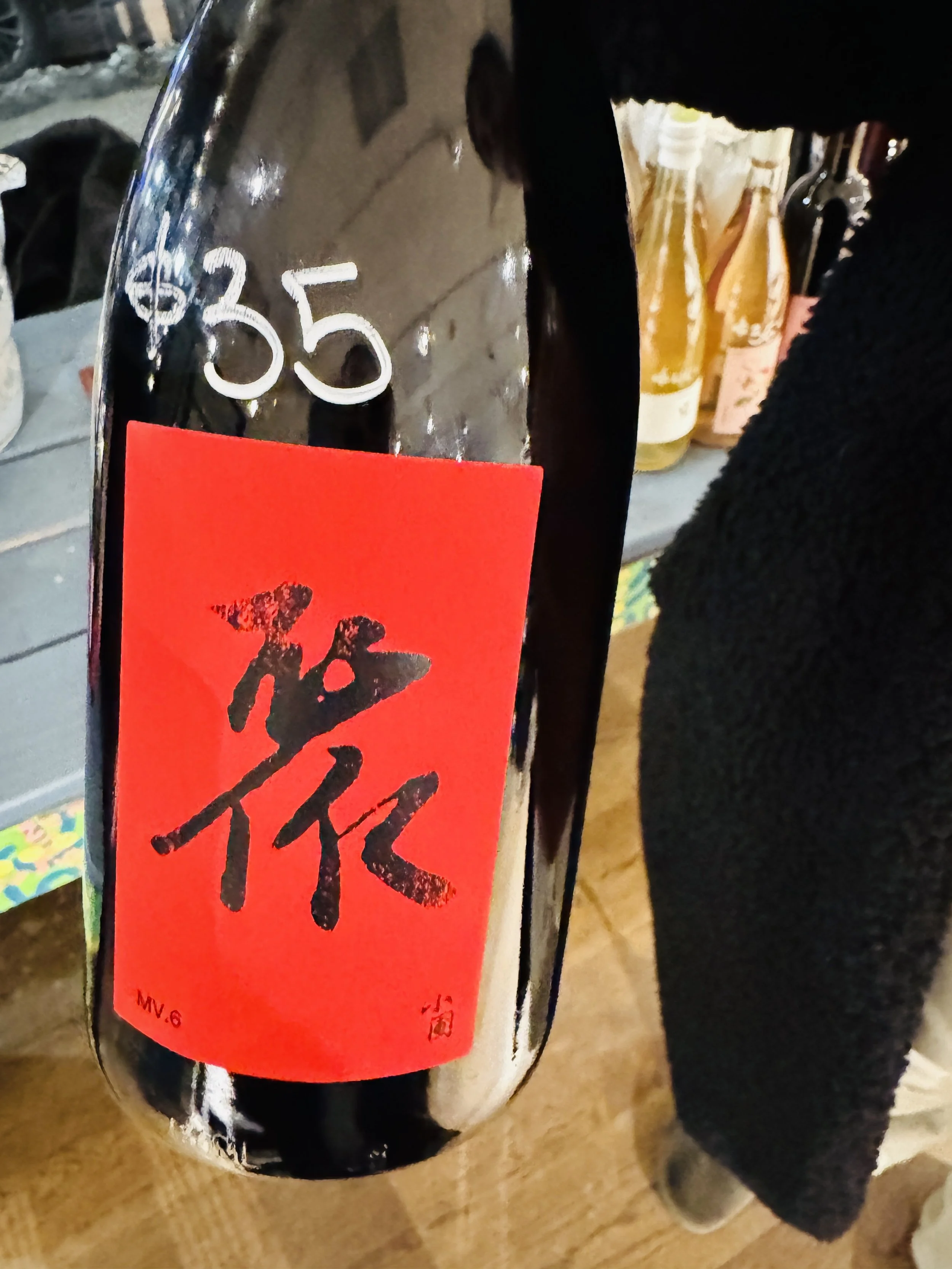
LH: China is a huge country with extremely diverse geography and terroir. Just as in any other part of the world, there are wines that feel very familiar and approachable to the Western palate, and wines that activate that part of your brain that thinks, I've never tasted anything like this. Emma Gao of Silver Heights, the first organic and biodynamic certified winery in China, works at both ends of this spectrum. Her 'Last Warrior' Red is a Cabernet Sauvignon-Merlot blend that can ease any seasoned Bordeaux drinker into the world of Chinese wine; 'Bloom' is a skin-contact sparkler where an addition of local rice wine kick-starts the secondary fermentation and lends a gorgeous umami character that plays with notes of citrus and melon.
SDP: Can you talk about the "FARMentation" Cha Pét Nat? I absolutely loved this wine.
LH: One idea that has been catching me is that many of our Chinese producers are highly educated oenologists but are not bound by Eurocentric dogma. It seems to me that they're using their knowledge as a support for inspiration, rather than as a set of winemaking rules. For instance, Yuchen Luo of FARMentation wanted to boost the aromatics and tannic structure of his Black Muscat pét-nat without the use of skin contact. He chose to gently infuse jasmine green tea leaves into the fermentation, creating the unique fragrance and texture that makes 'Cha' a runaway favorite.
SDP: Who are the wine producers in China at the moment? Does it mirror the natural wine movement in Europe with a lot of young producers exploring experimental small scale production?
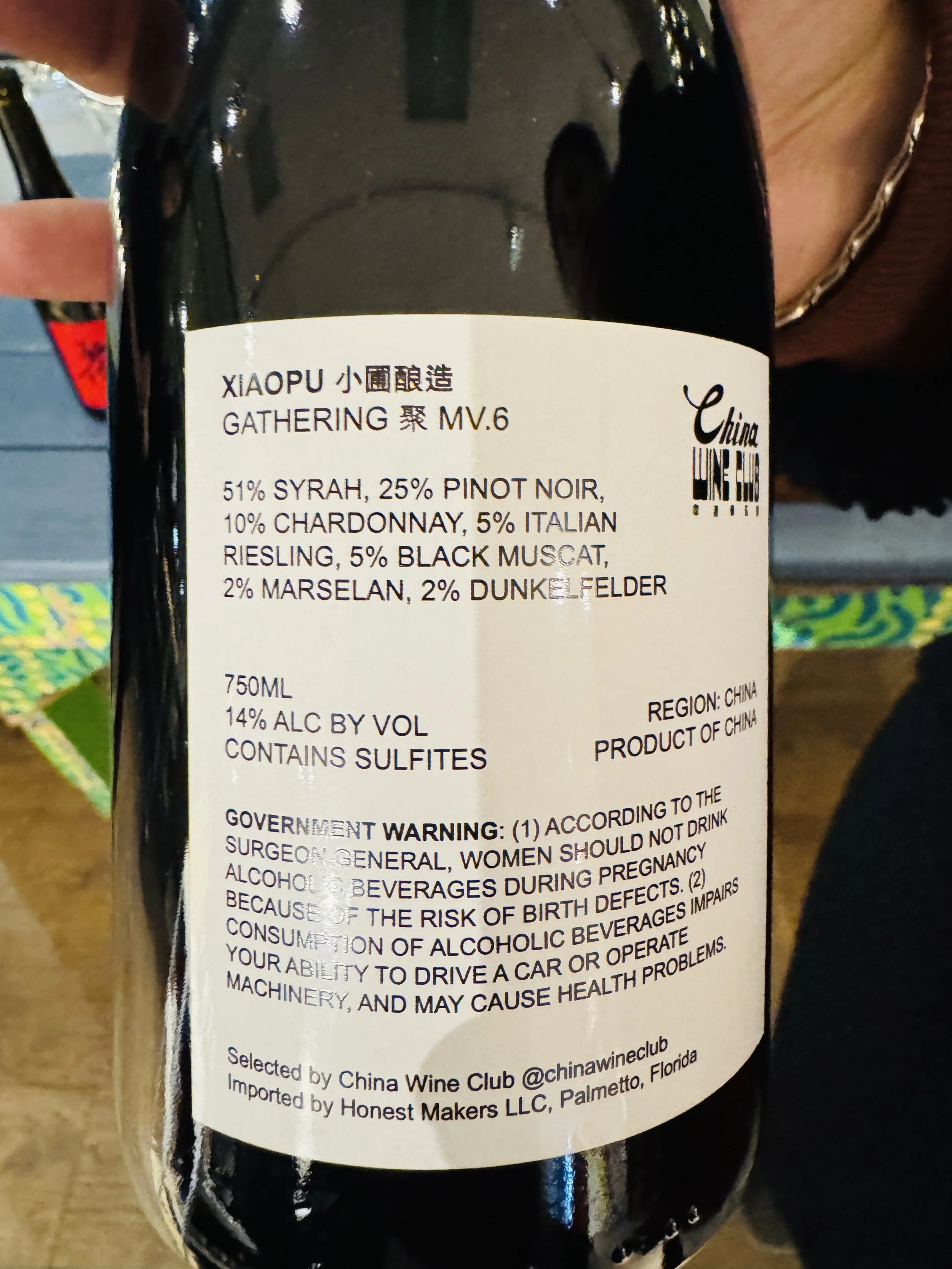
LH: Along with many other wine producing countries, China has seen a rise in numbers of young winemakers traveling the world to study and work before returning home to start their own projects. Many of these are small-scale, experimental wineries that offer a contrast to the larger and more industrial wine companies of the past. A few to watch include Silver Heights, a fully-functioning biodynamic farm and winery; Xiaopu, a "nomadic" winery that highlights diverse terroirs and respect for the land and its stewards; and Cellar Project, which is inspired by the maker's passion for skin-fermented Georgian wines.
SDP: Thoughts about viticultural realities & constraints that shape the styles of Chinese wines? I heard there are regions where vines must be buried to survive the winter?
LH: Our partner, Camden, the founder of China Wine Club, explains that the state mandated staple-crop farming in the twentieth century created a broken history of winemaking. But new plantings boomed in the 1990s, a relatively short time ago, so there's a lot to re-learn about viticulture, varieties, and winemaking in the various regions. This requires experimentation and ingenuity, which might actually be an opportunity rather than a constraint…
Climate is also a constant challenge: different areas face monsoon rains just before harvest time, extremely arid climates that demand irrigation, or high elevations and steep slopes that make vineyard work a physical challenge. Where winters are harsh, the cost of burying vines to protect them can make up 30% of a bottle's price.
SDP: Which areas of China are producing the best wines?
LH: Ningxia is known as the best and most productive wine growing region in China, largely due to government promotion, and lots of great wines are indeed made there... but many other regions deserve recognition as well. Hebei (Huailai) and parts of Shandong, Gansu, Shaanxi, Inner Mongolia, and Xinjiang are all in the mix. Camden is most excited about the high elevation region that sits between Yunnan / Sichuan / Tibet. This is some of the most gorgeous terroir in the world—pristine nature, high diurnal temp differences but no extreme weather, fed by Himalayan snow melt!—and it's also likely to be protected from the more immediate effects of climate change, so the future there feels promising.
SDP: The Chinese domestic wine market contracted sharply over the last few years yet wine exports have jumped 75% What's driving that export interest and momentum?
LH: Consumption of wine per capita in China was already low compared to other countries, and the post-COVID economy caused a decline in overall wine sales. The country's wine import and pricing system creates high prices in general, and in many cases imported wine is more affordable than domestic. All of the above led to winemakers having more product than the local market could absorb, so putting energy into exports was an obvious solution. And since not much wine has been exported from China until recently, there was a lot of room for that market to grow. Most importantly, so many Chinese wines are truly excellent—so as soon as they began to arrive in other markets, they took off running!
SDP: What do you see as the future of Chinese wine production?
LH: We think the future of Chinese winemaking is wide open! The spirit of learning and experimentation is high, and there's nowhere to go but up.
SDP: Thanks for talking with us, Lila. We’d love to have you back for another tasting!